

BMW M3 Engine Coolant Temperature Sensor Guide (2015-2023)
An inaccurate engine coolant temperature sensor can cause poor performance, bad fuel economy, and even overheating in your M3.
- A failing coolant sensor directly impacts your M3's performance and fuel economy by sending bad data to the engine computer.
- Symptoms can range from a simple check engine light to serious issues like overheating or a rough-running engine.
- For this critical part, choosing an OEM-supplier brand like Delphi or NGK is a wise investment for reliability.
- Replacement is a manageable DIY job for those comfortable with minor coolant drainage, but always confirm the sensor's location first.
Is Your M3's Coolant Sensor Failing?

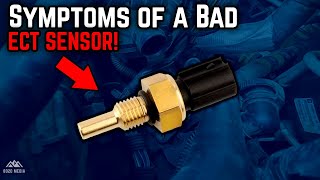
A faulty Engine Coolant Temperature (ECT) sensor can cause a range of confusing issues. Because the sensor's reading affects so many engine functions, symptoms can seem unrelated. 🎬 Watch a breakdown of common bad coolant sensor symptoms. The most common sign is a check engine light, but you might also notice your engine running rough, especially when cold. Other symptoms include a decrease in fuel economy or black smoke from the exhaust if the sensor is telling the computer the engine is always cold, causing it to run too rich. In some cases, it can even lead to overheating if it fails to signal the cooling fans to turn on.
Choosing the Right Aftermarket Sensor for Your M3

When replacing a critical sensor on a high-performance engine like the S55 or S58, quality matters. While OEM is always an option, several aftermarket brands offer reliable alternatives. They can be grouped into tiers based on their reputation for quality and whether they are original equipment suppliers.
- Tier 1 - OEM Supplier Quality: Brands like Delphi and NGK (NTK) are often the original manufacturers for BMW parts. Choosing these brands gives you a part that is built to the same specifications as the one your M3 came with from the factory. For a critical component like the ECT sensor, this is the safest aftermarket choice.
- Tier 2 - Reputable Aftermarket: Brands such as Beck Arnley and Standard Ignition (SMP) have a long history of producing quality replacement parts that meet or exceed OEM specifications. They are a solid choice if an OEM-supplier brand is not available.
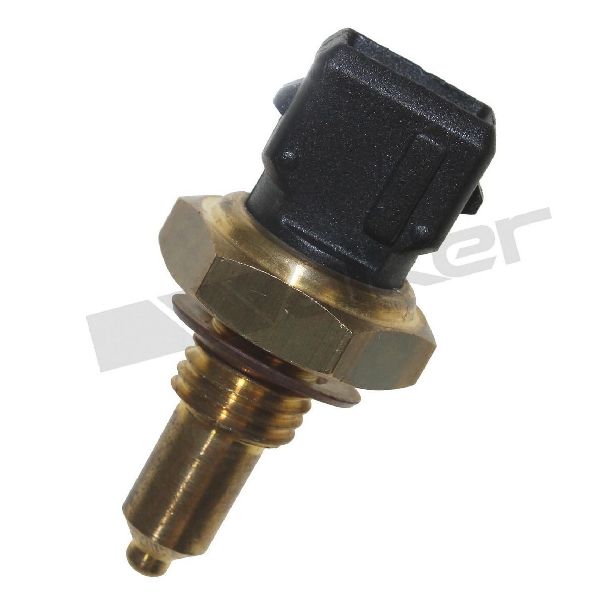
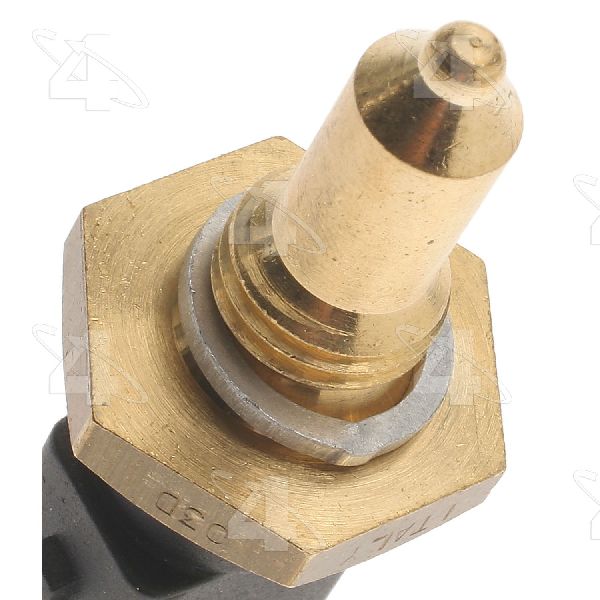
- Tier 3 - Value-Oriented: Brands like Walker Products, Four Seasons, and Holstein offer a more budget-friendly option. While functional, they may not have the same longevity or precise calibration as higher-tier brands, which can be important for the M3's sensitive engine management system.
Pro Tip: Location Matters
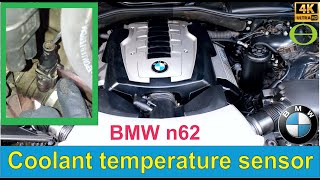
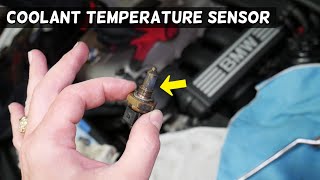
Some BMW cooling systems use more than one temperature sensor. For example, there is often one sensor on the cylinder head for the engine computer and another on a radiator hose to control the fan. The primary sensor for engine management is typically located on the cylinder head. 🎬 See a demonstration of where this sensor is located. Always verify the correct location and part number for your specific M3 generation (F80 or G80) before ordering.
Known Issues, TSBs, or Recalls
As of early 2026, there are no specific recalls or widespread Technical Service Bulletins (TSBs) from BMW or the NHTSA directly concerning the engine coolant temperature sensor for the 2015-2023 M3 models. Most issues are related to normal wear and tear or isolated component failure. Some owners on forums have noted that a failing sensor can cause a variety of hard-to-diagnose running problems that are resolved upon replacement.
Frequently Asked Questions (FAQ)

Where is the coolant temperature sensor located on the 2015-2023 M3?
On the S55 (F80 M3) and similar BMW engines, the primary engine coolant temperature sensor is typically located on the cylinder head, often near the oil filter housing. You may need to remove the engine cover to see it. There can be a second sensor on the lower radiator hose that helps control the cooling fan.
Do I need to drain the coolant to replace the sensor?
Yes, some coolant will be lost when the sensor is removed. While a full system drain isn't always necessary, you should be prepared for some spillage. To minimize loss, ensure the engine is completely cold and slowly open the coolant expansion tank cap to release any pressure before starting. Having the new sensor ready to install quickly can help reduce the amount of coolant lost.
Can a bad ECT sensor make my M3 overheat?
Yes. If the sensor fails and does not send a "hot" signal to the engine computer, the electric cooling fans may not turn on when needed, causing the engine to overheat, especially in traffic or under load. Conversely, if it sends a false "hot" signal, the fans may run constantly.
What do the common fault codes for a bad coolant sensor mean?
Codes like P0117 (Sensor Circuit Low Input) suggest the sensor is reading hotter than expected or is shorted. P0118 (Sensor Circuit High Input) suggests the sensor is reading colder than expected or the circuit is open. Code P0128 indicates the thermostat is not allowing the engine to reach its proper operating temperature, which can also be triggered by a faulty sensor reading.
Helpful Videos
Technical Specifications
OEM Part Numbers: 13621433076 13627580635 13628661436
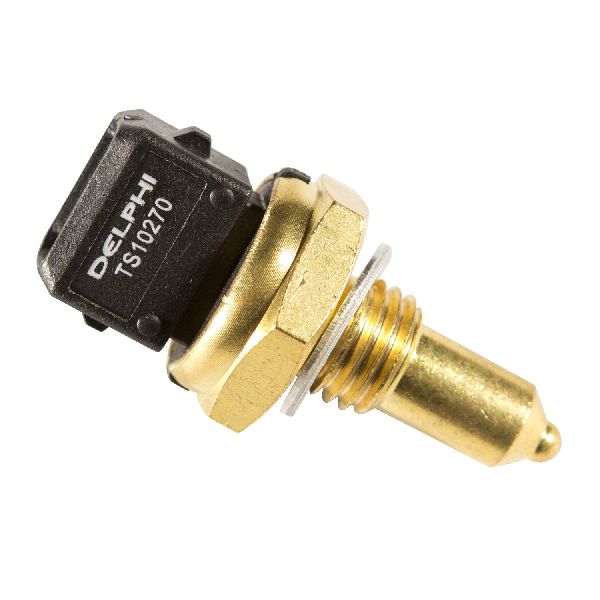
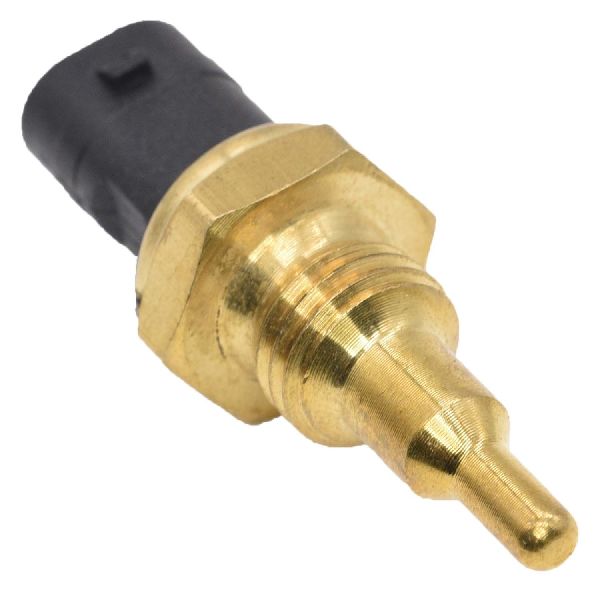
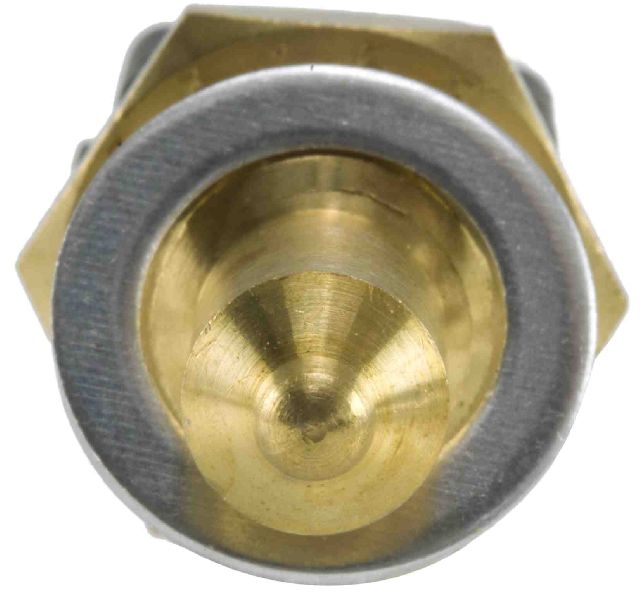
The sensor is typically a two-pin connector with a brass body and M12x1.5 threading. It functions as a negative temperature coefficient (NTC) thermistor, where resistance decreases as temperature increases.
We Have This Part in Stock


The information in this article is provided for general reference and educational purposes only. Vehicle specifications, procedures, and part compatibility can vary by production date, trim level, and region. Always consult your vehicle's factory service manual and verify part numbers before purchasing or performing repairs. Safety-critical components such as airbags, seat belts, and braking systems should be installed by a qualified professional.
- BMW M3: