

A Guide to the Engine Coolant Temperature Sensor for the 2015-2023 BMW X4
Understanding the signs of a failing coolant sensor and how to choose the right replacement for your X4.
- Watch for symptoms like a check engine light, poor fuel economy, and an erratic temperature gauge.
- For a critical part, choose a high-quality aftermarket brand like Delphi, Vemo, or NGK for reliability.
- Owners of 2015-2018 X4s should check for the open recall on the coolant pump connector (NHTSA 24V608000).
- While you can drive with a bad sensor, it's best to replace it promptly to avoid poor performance and potential engine damage.
Why is the Coolant Temperature Sensor Important?
Think of the Engine Coolant Temperature (ECT) sensor as your engine's thermometer. It tells the vehicle's main computer (DME) if the engine is cold, warm, or overheating. Based on this single reading, the computer adjusts how much fuel to inject and when to activate the cooling fans. A bad sensor can feed the computer false information, leading to a host of problems ranging from annoying to potentially damaging.
Symptoms of a Failing ECT Sensor
When the ECT sensor starts to fail, it can cause confusing signals. Your X4 might act up in several ways before the sensor fails completely.
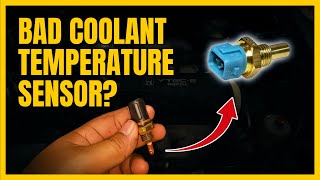
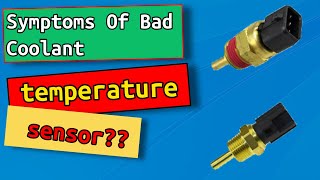
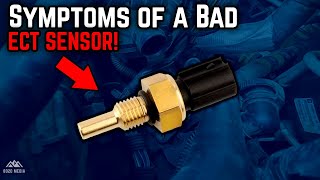
🎬 Watch: 8 common symptoms of a failing coolant sensor.- Check Engine Light: This is often the first sign. The DME detects a reading from the sensor that is out of the normal range and triggers a fault code.
- Poor Fuel Economy: If the sensor incorrectly tells the computer the engine is cold, the computer will enrich the fuel mixture, causing you to use more gas than necessary.
- Black Smoke from Exhaust: A very rich fuel mixture, caused by a faulty sensor reading, can result in unburnt fuel exiting through the exhaust, appearing as black smoke.
- Engine Overheating or Running Too Cool: The temperature gauge on your dash might show the engine is overheating when it's not, or not warming up at all. 🎬 Watch: How to fix a BMW sensor stuck on cold. A false 'hot' signal can cause the cooling fans to run constantly, while a false 'cold' signal might prevent them from turning on when needed.
- Rough Idle or Misfires: Incorrect fuel and timing adjustments from a bad sensor reading can make the engine run poorly, especially when idling.
Known Issue: Coolant Pump Connector Recall on 2015-2018 Models
There is a safety recall (NHTSA Campaign Number: 24V608000) for certain 2015-2018 BMW X4 models equipped with the N20 or N26 engine. The issue involves the electric coolant pump's plug connector, which can be exposed to fluid drips, potentially leading to a short circuit. While this is not a recall for the temperature sensor itself, it is a critical cooling system issue. Owners of affected vehicles should contact a BMW dealer to have the recall service performed free of charge.
Choosing the Right Aftermarket Sensor
When replacing the ECT sensor, you have options ranging from OEM suppliers to value-focused brands. For a critical sensor like this on a BMW, choosing a quality part is important to avoid future headaches.
Tier 1: OEM-Quality Aftermarket
These brands are often original equipment manufacturers for BMW or other German automakers. They are known for their precise fit and reliable performance. Choosing from this tier is your safest bet for a long-lasting repair.
- Delphi: A well-respected OEM supplier known for quality electronics.
- Vemo: Often specializes in parts for European vehicles and is noted for high measurement accuracy.
- NGK (NTK): As a major sensor manufacturer, NTK (the sensor brand of NGK) parts are trusted for their reliability.
- Beck Arnley: This brand focuses on matching the original equipment (OE) form, fit, and function for specific vehicles.
Tier 2: Trusted Aftermarket Brands
These companies have a long history of producing reliable aftermarket parts that offer a good balance of quality and price.
- Standard Ignition (SMP): A major manufacturer of a wide range of automotive electronics.
- Facet / Holstein: These brands provide reliable alternatives that meet or exceed OE specifications.
Tier 3: Value-Oriented Options
These brands focus on providing a cost-effective solution. They can be a good choice for budget-conscious repairs, but may not have the same long-term durability as higher-tier brands.
- Four Seasons / Global Parts / Walker Products
Estimated Replacement Costs
The cost to replace the ECT sensor can vary. The part itself is affordable, but labor costs depend on which engine your X4 has and how difficult the sensor is to access.
| Part Type | Estimated Cost |
|---|---|
| New Aftermarket Part | $19 - $162 |
| New OEM Part | $48 - $66 |
| Shop Labor | $150 - $400 |
| Total Professional Replacement | $198 - $562 |
Pro Tip: Some repair shops have quoted very high labor costs for this job on the X4, sometimes over $800. This may be for specific engine types where the sensor is in a very difficult location. It is wise to get a second opinion if you receive a quote this high.
Frequently Asked Questions
Where is the engine coolant temperature sensor located on the BMW X4?
The location can vary depending on your engine (e.g., N20, B46, B58). Typically, the primary ECT sensor is threaded into the cylinder head near the thermostat housing. Some models may have a second sensor on the lower radiator hose to measure coolant temperature after it leaves the radiator. A repair manual for your specific model year and engine is the best way to confirm the exact location.
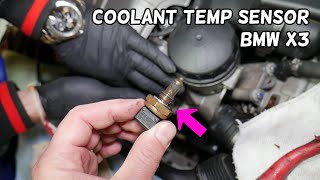
🎬 See this video for a BMW coolant sensor location demonstration.Can I still drive my X4 with a bad coolant temperature sensor?
You can, but it is not recommended for an extended period. The engine's computer is operating with bad data, which leads to poor fuel economy, increased emissions, and potentially poor performance. If the sensor fails to trigger the cooling fans when needed, you risk engine overheating.
What happens if I don't replace a faulty ECT sensor?
Ignoring a bad ECT sensor can lead to several issues. Continuously running a rich fuel mixture can foul your spark plugs and damage the catalytic converter over time. More seriously, if the sensor prevents the cooling fans from operating correctly, you risk severe engine damage from overheating.
Is this a difficult DIY job?
For a mechanically inclined owner, this is often a straightforward job that can take 30-90 minutes. The main steps involve locating the sensor, releasing pressure from the cooling system, quickly swapping the old sensor for the new one to minimize coolant loss, and then topping off the coolant. However, access can be tight on some engines, which increases the difficulty.
Helpful Videos
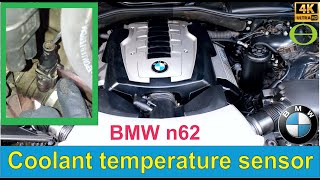
![[SOLVED & FiXED] BMW Engine Coolant Sensor STUCK on Cold Temp #diyrepair #mechanic](https://img.youtube.com/vi/gJDSCefjTUA/mqdefault.jpg)
Technical Specifications
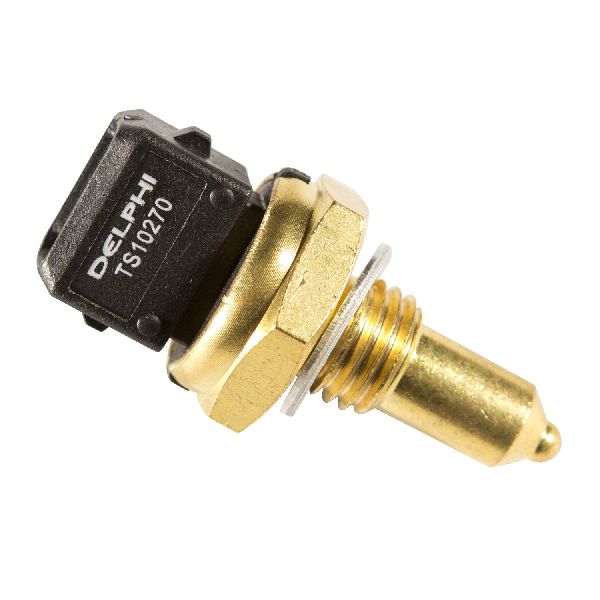
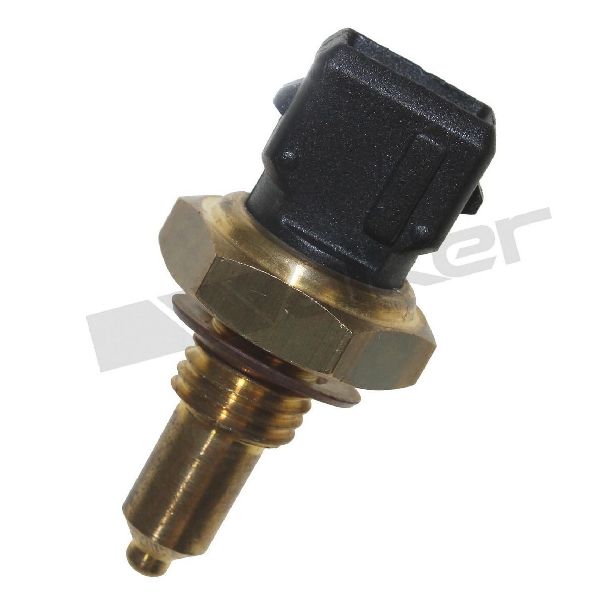
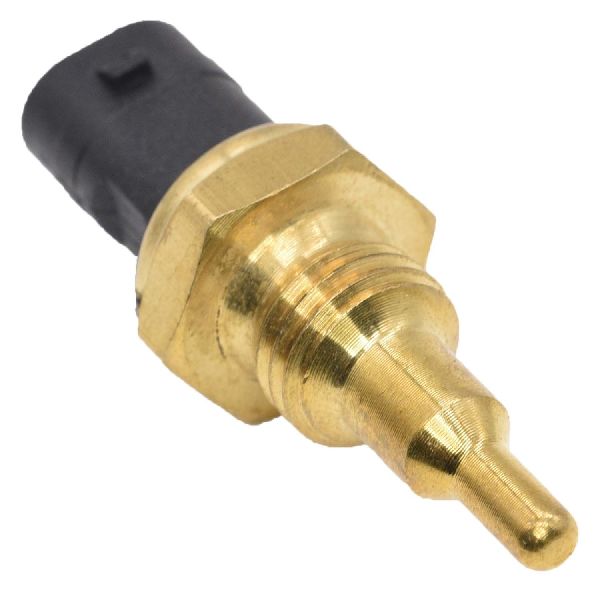
OEM Part Numbers: 13-62-7-580-635 13621433077
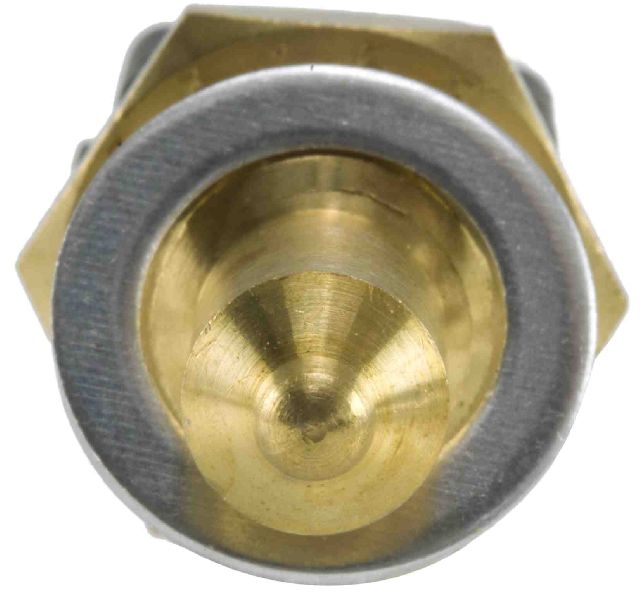
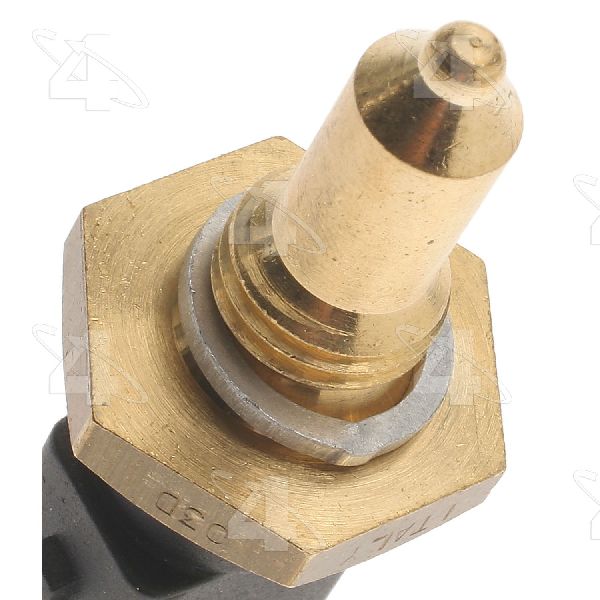
The sensor monitors coolant temperature and sends a variable resistance signal to the engine control module (DME). It is typically located on the cylinder head or in a radiator hose and uses a sealing O-ring to prevent leaks.
We Have This Part in Stock


The information in this article is provided for general reference and educational purposes only. Vehicle specifications, procedures, and part compatibility can vary by production date, trim level, and region. Always consult your vehicle's factory service manual and verify part numbers before purchasing or performing repairs. Safety-critical components such as airbags, seat belts, and braking systems should be installed by a qualified professional.
- BMW X4: