

A Guide to the Mass Air Flow Sensor for the 2015-2023 BMW X5
If your BMW X5 is running rough, hesitating, or getting poor gas mileage, a failing Mass Air Flow sensor could be the reason.
- For a critical electronic part like the MAF sensor, it is highly recommended to use an OEM supplier brand like Bosch to ensure compatibility and performance.
- Symptoms like a rough idle, poor acceleration, and a check engine light (codes P0171, P0174, P0101) strongly point to a failing MAF sensor.
- Avoid using over-oiled aftermarket air filters, as the oil can contaminate and destroy the MAF sensor.
- Replacing the MAF sensor is a simple DIY task that can be completed in under 30 minutes with basic tools.
Understanding the MAF Sensor in Your X5

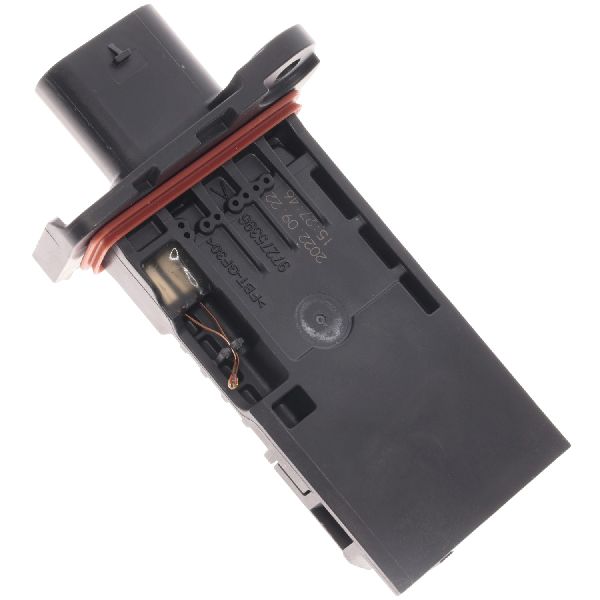
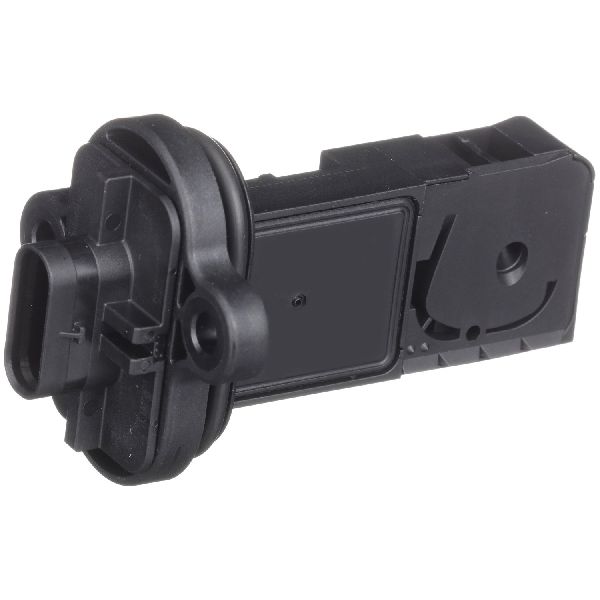
The Mass Air Flow (MAF) sensor is a key component for your BMW X5's performance. It sits in the air intake path, right after the air filter. Its job is to tell the engine's computer exactly how much air is coming in. This allows the computer to create the perfect air-fuel mixture for combustion. When this sensor starts to fail, it sends incorrect information, which can cause a wide range of noticeable engine problems. Contamination from dirt, dust, or oil from an over-oiled air filter is the most common cause of failure.
Common Symptoms of a Bad MAF Sensor
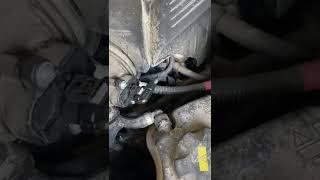
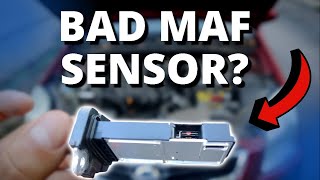
🎬 Watch: A visual guide to common bad MAF sensor symptoms.
A failing MAF sensor will almost always let you know something is wrong. The symptoms can sometimes be confused with other issues, but they often point directly to a problem with the air intake measurement.
- Check Engine Light: This is the most common sign. A faulty MAF sensor will trigger diagnostic trouble codes like P0101, P0171, or P0174.
- Rough Idle: Your X5 may shake, stutter, or sound uneven when stopped.
- Poor Acceleration and Power Loss: The engine may feel sluggish, hesitate, or jerk when you press the gas pedal.
- Decreased Fuel Economy: An incorrect air-fuel ratio means the engine isn't running efficiently, causing you to use more gas.
- Black Exhaust Smoke: In some cases, the sensor fails in a way that causes the engine to run too rich (too much fuel), resulting in black smoke from the tailpipe.
A Note on Oiled Air Filters
While some aftermarket air filters use oil to trap dirt, be very careful. If too much oil is applied, it can get sucked into the intake and coat the sensitive wires of the MAF sensor, causing it to fail. Sticking with a high-quality, dry paper filter is the safest option to protect your MAF sensor.
Choosing the Right Aftermarket MAF Sensor

For a sensitive electronic part like the MAF sensor on a BMW, brand quality is extremely important. Choosing the wrong brand can lead to continued performance issues or premature failure. Here’s how the available brands generally stack up.
Tier 1: OEM Supplier Brands
These brands are known to be the original equipment manufacturers for BMW. They offer the same quality as the dealer part without the high price tag. For the 2015-2023 X5, this is your best and safest choice.
- Bosch: Widely regarded as the original supplier for many BMW MAF sensors. Choosing a Bosch sensor is the most reliable way to restore original performance.
- Vitesco/Continental (VDO): Another original equipment supplier for BMW electronics. If you see this brand, it is also a top-tier choice.
Tier 2: Reputable Aftermarket Brands
These brands are known for producing quality parts and are generally reliable, though they may not be the original supplier for your specific vehicle.
- Delphi: A major OEM for many car brands, Delphi produces quality sensors with patented technology.
- Hella, Vemo, Bremi: These are well-known German aftermarket brands that often produce reliable parts for European vehicles.
Tier 3: Budget Brands
This category includes brands like DriveWire, Cardone, and other lower-priced options. While the low cost is tempting, it can be a gamble for a precision part on a BMW. These sensors may not have the same quality control or use the same sensitive electronics, potentially leading to incorrect readings or a short lifespan. It is generally recommended to invest in a Tier 1 or Tier 2 brand for this component.
Pro Tip: Try Cleaning First
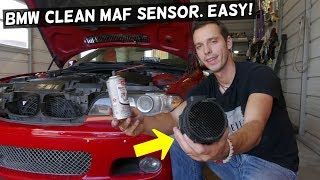
Sometimes, a MAF sensor isn't broken, just dirty. Before buying a new one, you can try cleaning it with a dedicated MAF sensor cleaner spray. 🎬 See how to safely clean the MAF sensor on an X5. Do not touch the internal wires with your hands or a brush. If cleaning doesn't solve the problem, then a replacement is necessary.
Cost of Replacing a BMW X5 MAF Sensor

| Part Type | Estimated Cost |
|---|---|
| New OEM (Dealer) | $300 - $500 |
| New Aftermarket (OEM Supplier like Bosch) | $100 - $300 |
| New Aftermarket (Budget) | $67 - $100 |
| Shop Labor | $50 - $150 |
Frequently Asked Questions
Is there a recall on the MAF sensor for the BMW X5?
No. Searches of the National Highway Traffic Safety Administration (NHTSA) database did not find any recalls specifically for the Mass Air Flow sensor on 2015-2023 BMW X5 models. There are other recalls for this vehicle, so it is always a good idea to check if your specific vehicle has any open safety recalls.
Can I replace the MAF sensor myself?
Yes, this is a very DIY-friendly job. The MAF sensor is easily accessible in the engine bay, located on the main air duct between the air filter box and the engine. Replacement typically involves disconnecting an electrical plug, loosening two clamps or screws, and swapping the part. The entire job can usually be done in under 30 minutes with basic tools.
What are the OBD-II codes for a bad MAF sensor?
Common codes related to MAF sensor failure include P0101 (Mass Air Flow Circuit Range/Performance), P0102 (Circuit Low), and P0103 (Circuit High). You may also see lean codes like P0171 (System Too Lean Bank 1) and P0174 (System Too Lean Bank 2), which can be caused by a faulty MAF sensor providing incorrect low airflow readings.
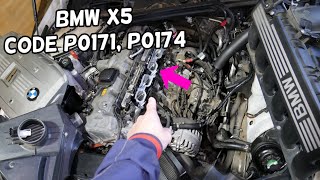
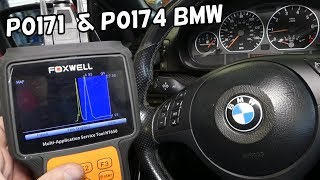
🎬 Watch this video to fix P0171 and P0174 codes on your BMW.Should I buy the cheapest MAF sensor available?
It is not recommended. The MAF sensor is a precision instrument, and BMW engines are sensitive to the quality of its readings. Cheaper sensors often use lower-quality components that can provide inaccurate data, leading to continued engine problems or failing much sooner than a quality part. Sticking with an OEM supplier brand like Bosch is a wise investment for this part.
Helpful Videos
Technical Specifications
OEM Part Numbers: 13627593624 13628658527 13627804150 13628583496
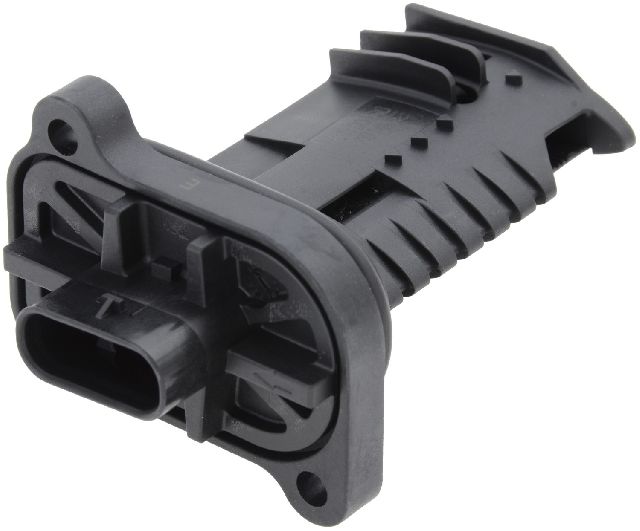
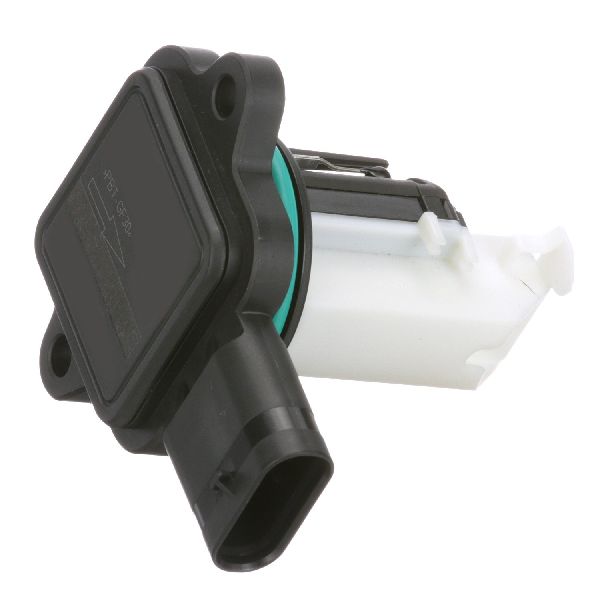
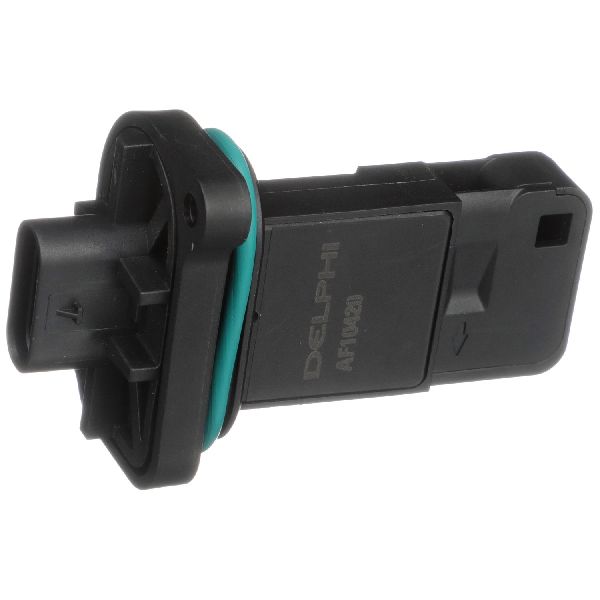
The MAF sensor for the 2015-2023 BMW X5 is a 'hot-film' type sensor that is typically integrated into a section of the intake duct or is a standalone unit that mounts into the air filter housing. It uses a 4, 5, or 6-pin electrical connector depending on the specific engine and model year. Always verify the part number or use a VIN lookup to ensure you are ordering the correct sensor for your X5's specific engine (e.g., N55, B58, N63, etc.).
We Have This Part in Stock


The information in this article is provided for general reference and educational purposes only. Vehicle specifications, procedures, and part compatibility can vary by production date, trim level, and region. Always consult your vehicle's factory service manual and verify part numbers before purchasing or performing repairs. Safety-critical components such as airbags, seat belts, and braking systems should be installed by a qualified professional.
- BMW X5:
- 🎬 Helpful Videos
- 🛍️ Shop This Part
- Understanding the MAF Sensor in Your X5
- Common Symptoms of a Bad MAF Sensor
- A Note on Oiled Air Filters
- Choosing the Right Aftermarket MAF Sensor
- Tier 1: OEM Supplier Brands
- Tier 2: Reputable Aftermarket Brands
- Tier 3: Budget Brands
- Pro Tip: Try Cleaning First
- Cost of Replacing a BMW X5 MAF Sensor
- Frequently Asked Questions
- 🎟️ Get 5% Off