

A Guide to the Ignition Knock Sensor on the 2017-2023 Chrysler Pacifica
Learn why a small, inexpensive sensor on your Pacifica's 3.6L engine can result in a surprisingly complex and costly repair.
- The main cost of this repair is labor, as the sensors are buried under the intake manifolds.
- Always replace the intake manifold gaskets and both knock sensors at the same time to avoid future repeat labor costs.
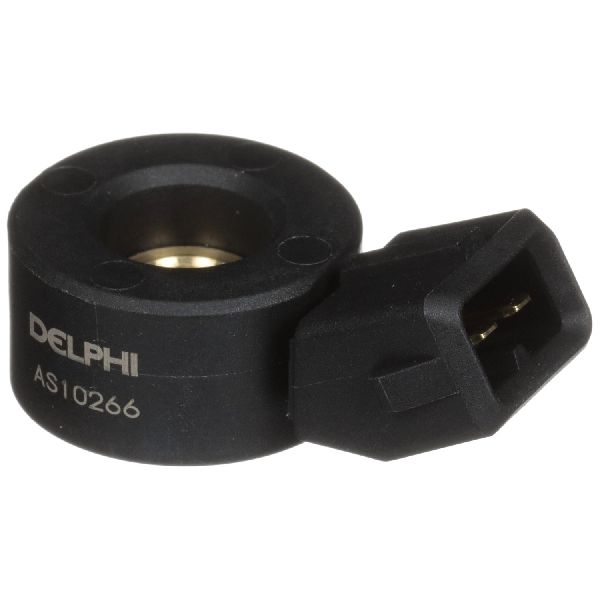
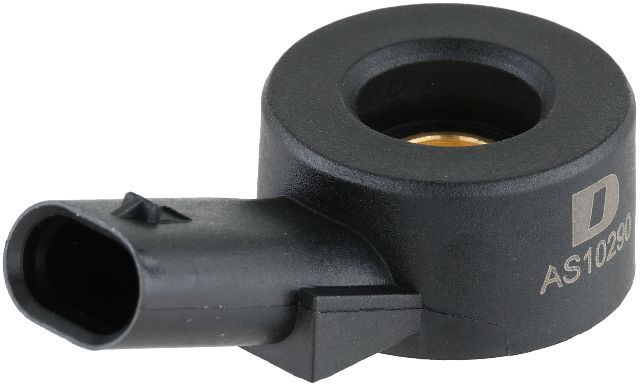
- Using a high-quality aftermarket brand like Delphi, NGK, or Standard Ignition is a smart investment to ensure reliability.
- A Check Engine Light with code P0325 or P0330 is the most definitive sign of a knock sensor issue.
Symptoms of a Bad Knock Sensor in a Pacifica

When a knock sensor fails, your van's computer can no longer detect detonation. To protect the engine, it may default to a 'safe' mode, which can cause noticeable issues. The most common sign is the Check Engine Light on your dashboard.
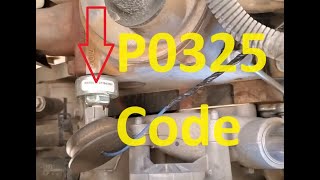
- Check Engine Light: This is the most common symptom. The codes stored will typically be P0325 (Knock Sensor 1 Circuit Malfunction) or P0330 (Knock Sensor 2 Circuit Malfunction). 🎬 Watch: Understanding P0325 codes and how to fix them.
- Reduced Engine Power: Your Pacifica may feel sluggish and accelerate slowly because the computer has retarded the ignition timing to prevent potential damage.
- Audible Engine Ping or Knock: You might hear a metallic pinging sound, especially when accelerating or going uphill. This is the detonation that the faulty sensor is failing to report.
- Worse Fuel Economy: An engine not running at its optimal timing will burn more fuel than usual.
The Real Issue: Sensor Location
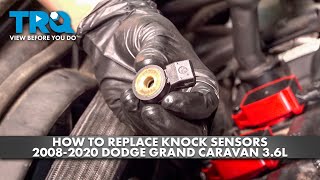
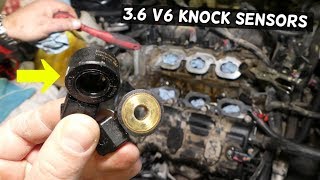
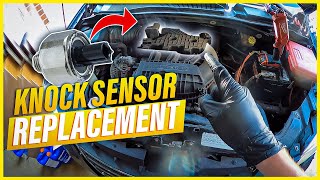
On the 3.6L Pentastar V6 engine in your Pacifica, the two knock sensors are located deep in the engine valley. They sit underneath the upper and lower intake manifolds. This means that to replace them, a mechanic must drain the coolant and remove the entire top portion of the engine's intake system. 🎬 See this walkthrough of the 3.6L Pentastar sensor replacement. This turns a simple sensor swap into a labor-intensive job, which is why the replacement cost is much higher than the part itself.
Choosing the Right Aftermarket Knock Sensor

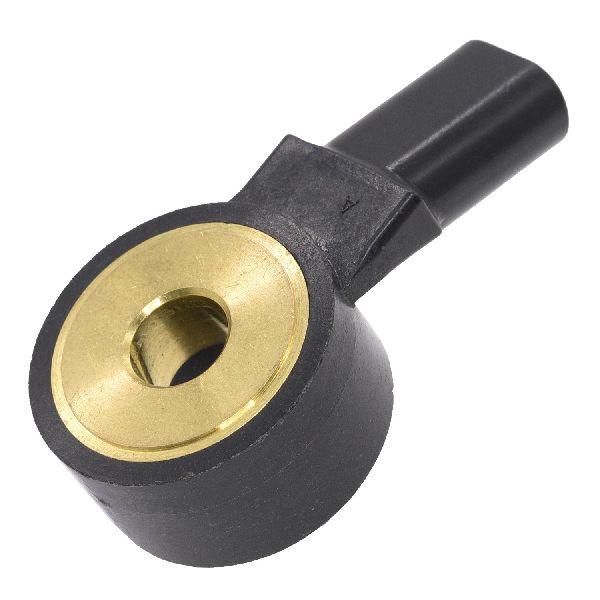
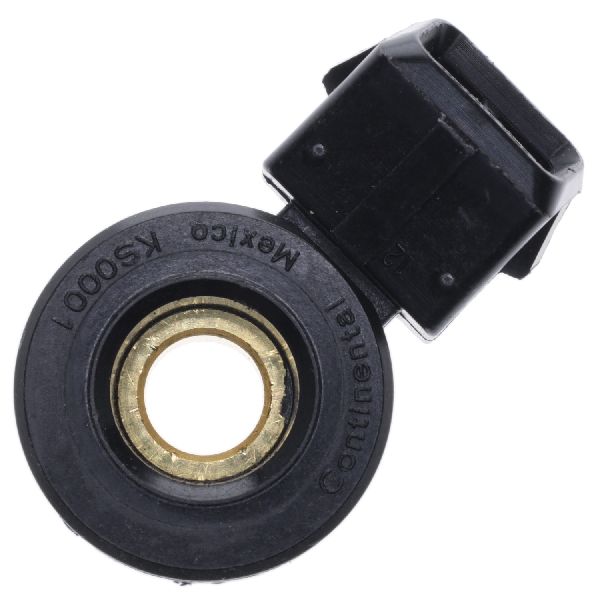
Because the labor to replace these sensors is so high, this is not a part you want to fail prematurely. Choosing a quality brand is critical to avoid doing the job twice. While Mopar is the original equipment manufacturer, several aftermarket brands offer reliable alternatives.
- Premium Aftermarket (Delphi, NGK/NTK, Standard Ignition - SMP): Brands like Delphi are often the original equipment manufacturer for many car brands and are known for their quality and reliability. NGK (also known as NTK for sensors) and Standard Motor Products are also highly regarded in the industry for producing parts that meet or exceed OEM specifications. For this repair, spending a little more on a premium brand is a wise investment.
- Standard Aftermarket (Dorman, Walker, Holstein): These brands offer a more budget-friendly option. Dorman is a well-known brand, though online forums show mixed reviews on sensor reliability. For a part this difficult to access, a standard brand might be a riskier choice compared to premium options.
Pro Tip: Replace More Than Just the Sensors
Since the intake manifold must be removed, you are required to replace the intake manifold gaskets. Never reuse old gaskets, as this can cause vacuum leaks and other engine problems. It is also wise to replace both knock sensors at the same time, even if only one has failed. The labor is the same, and the second sensor has been subjected to the same heat and age as the failed one.
Cost to Replace a Chrysler Pacifica Knock Sensor

The cost is dominated by labor due to the sensor's location.
| Part/Service | Estimated Cost |
|---|---|
| New OEM (Mopar) Sensor (Each) | $75 - $175 |
| New Aftermarket Sensor (Each) | $18 - $85 |
| Shop Labor | $285 - $430 |
| Total Estimated Cost | $360 - $503+ |
Frequently Asked Questions

Can I replace the knock sensors myself?
This is not a beginner-friendly job. It requires draining the cooling system and removing the upper and lower intake manifolds. It is recommended for experienced DIY mechanics with the proper tools and a service manual. 🎬 Watch: A step-by-step guide to replacing sensors on this engine. For most owners, this job is best left to a professional shop.
How many knock sensors does the Pacifica have?
The 3.6L V6 engine in the 2017-2023 Chrysler Pacifica has two knock sensors. One for each cylinder bank.
Are there any recalls for this issue?
There are no specific recalls from Chrysler or NHTSA for knock sensor failure on the gas-powered Pacifica. Recalls you may find for these model years typically relate to the Plug-in Hybrid (PHEV) models and are not for this specific part.
Should I use a cheap sensor from an online marketplace?
It is strongly discouraged. The cost of the sensor is tiny compared to the 3-5 hours of labor required to install it. A cheap, unreliable sensor failing within a year would mean paying for that expensive labor all over again. Stick with a reputable brand.
Helpful Videos
Technical Specifications
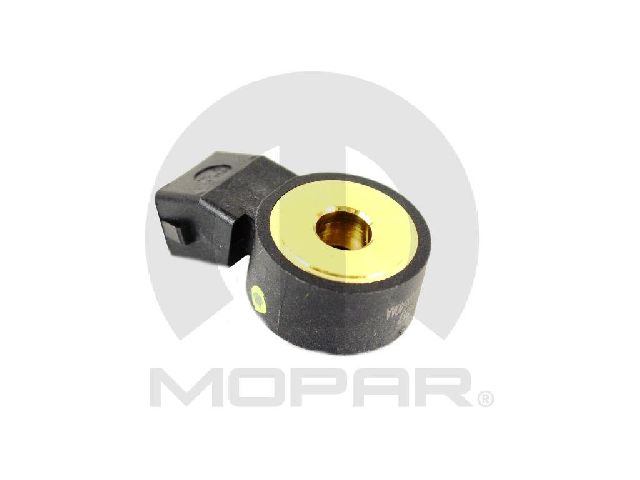
OEM Part Numbers: 68313570AA 68313570AB 68166540AA
The 3.6L V6 engine requires two knock sensors. They are located in the engine valley between the cylinder heads.
We Have This Part in Stock


The information in this article is provided for general reference and educational purposes only. Vehicle specifications, procedures, and part compatibility can vary by production date, trim level, and region. Always consult your vehicle's factory service manual and verify part numbers before purchasing or performing repairs. Safety-critical components such as airbags, seat belts, and braking systems should be installed by a qualified professional.
- Chrysler Pacifica: