

Dodge Challenger Fuel Injector Guide (2015-2023)
Keep your Challenger's engine running strong by understanding fuel injector failure and replacement.
- A rough idle, misfires (P030x codes), and injector circuit codes (P020x) are the most common signs of failure.
- A strong fuel smell is a critical symptom of a leak and a fire hazard that requires immediate attention.
- For 2015 6.2L models, verify NHTSA recall 15V-114 for a leaking fuel rail hose has been completed.
- For stock vehicles, Mopar or Bosch injectors offer OEM quality; replacing injectors in a full set is recommended for high-mileage engines.
Is Your Challenger's Fuel Injector Failing?
A bad fuel injector can cause a range of problems, from annoying to severe. The most common issue is an engine misfire, which you'll feel as a rough idle, shaking, or hesitation when you accelerate. You might also notice a significant drop in fuel economy or a strong smell of raw gasoline, which could indicate a leaking injector. A leaking injector is a serious fire hazard and should be addressed immediately. The check engine light will almost always come on, showing codes like P0300 (random misfire) or a cylinder-specific misfire code (P0301-P0308). You may also see injector circuit codes (P0201-P0208), which point directly to an electrical issue with a specific injector.
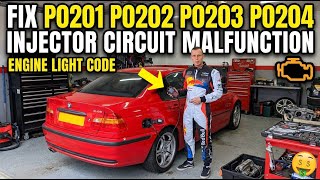
🎬 Learn how to fix injector circuit malfunction codes P0201-P0204.Known Issues, Recalls, and Bulletins
While there are no widespread recalls for the fuel injectors themselves across all 2015-2023 models, there are some important related items to be aware of:
- NHTSA Recall 15V-114 (R07): This recall affects some early 2015 Dodge Challenger models equipped with the 6.2L supercharged engine. A fuel rail crossover hose could leak, creating a significant fire risk. The fix involves replacing the engine fuel rail injector crossover hose. If you own a 2015 6.2L model, it is critical to verify with a dealer that this recall has been performed on your vehicle.
- Diesel Engine Recalls: Though not applicable to the Challenger, it's worth noting that other Dodge vehicles with diesel engines have had recalls (like NHTSA 21V-880) related to high-pressure fuel pump failures that can send debris into the fuel system and damage injectors.
No major Technical Service Bulletins (TSBs) were found specifically for widespread fuel injector failure on the 2015-2023 Challenger gasoline engines during the search.
Choosing the Right Aftermarket Fuel Injector
When it's time to replace one or more injectors, you have a few options. The choice often comes down to budget and performance needs.
OEM vs. Aftermarket Quality
For a stock Challenger, Mopar (OEM) and Bosch (often the OEM supplier) injectors are a reliable choice. They are engineered for the exact flow rate and spray pattern your engine requires. High-quality aftermarket brands like Standard Ignition also produce new injectors designed to meet or exceed OEM specifications, often featuring corrosion-resistant materials. Cheaper, unbranded aftermarket injectors can be a gamble; they may not have the same durability or precise flow characteristics, potentially leading to performance issues. For a daily driver, sticking with a reputable brand is a smart investment.
Brand Tiers for Your Challenger
- Top Tier (OEM/Equivalent): Mopar and Bosch are the go-to for guaranteed fit and performance. They are built to the factory standards for your V6 or HEMI engine.
- Quality Aftermarket: Brands like Standard Ignition and Crown Automotive offer a solid balance of quality and price. They are a good option if you're looking for a reliable replacement without the OEM price tag.
- Budget-Friendly: GBR Fuel Injection and other similar brands offer a lower-cost alternative. While functional, their long-term durability and flow consistency may not match the higher-tiered brands.
Pro Tip: Replace in Sets?
If one injector fails on a high-mileage engine, others may not be far behind. Fuel injectors wear at a similar rate. To ensure balanced fuel delivery and avoid future labor costs, it's often recommended to replace them as a complete set (all 6 for a V6, or all 8 for a V8).
Fuel Injector Replacement Cost for Dodge Challenger (2015-2023)
The cost can vary significantly based on your engine and whether you do the work yourself. The parts themselves range from around $57 for a single aftermarket injector to over $700 for a full set of high-performance or OEM injectors.
| Cost Type | Estimated Price Range |
|---|---|
| New Aftermarket Injector (Single) | $57.76 - $150 |
| New OEM Mopar Injector (Single) | $75 - $200 |
| Shop Labor (per bank or full set) | $191 - $400+ |
| Total Professional Replacement (Single Injector) | $338 - $564+ |
Frequently Asked Questions
Do I need special tools to replace a Challenger fuel injector?
For the most part, you'll need standard mechanic's tools like a socket set, wrenches, and pliers. A fuel line disconnect tool may be necessary. It's also crucial to have a fire extinguisher nearby and to relieve the fuel system pressure before you begin. The process involves removing the engine cover, disconnecting electrical connectors, unbolting the fuel rail, and carefully pulling the injectors out.
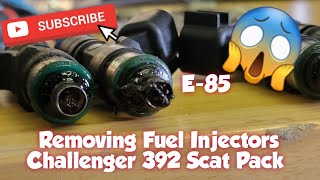
🎬 See how to remove fuel injectors on a Scat Pack 392.Can I clean my fuel injectors instead of replacing them?
While in-tank fuel injector cleaners can help with minor deposit buildup, they won't fix a failed injector. Professional ultrasonic cleaning can be effective, but it requires removing the injectors from the car. Given the labor involved, if an injector is confirmed to be faulty (electrically failed or badly clogged), replacement is often the more reliable and time-effective solution.
What are the most common fault codes for a bad injector?
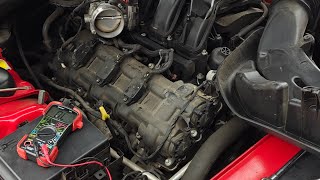
The most common codes are P0300-P0308 for misfires and P0201-P0208 for injector circuit malfunctions. For example, P0306 indicates a misfire on cylinder 6, and P0206 🎬 Watch this troubleshooting guide for P0306 and P0206 misfire codes. indicates a problem with the injector circuit for cylinder 6.
Will a bad fuel injector cause my Challenger to not start?
Yes, it's possible. If multiple injectors are bad or if a single injector is stuck open and flooding a cylinder, it can prevent the engine from starting. A severely leaking injector can also cause a loss of fuel pressure, leading to a no-start condition.
Helpful Videos
Technical Specifications
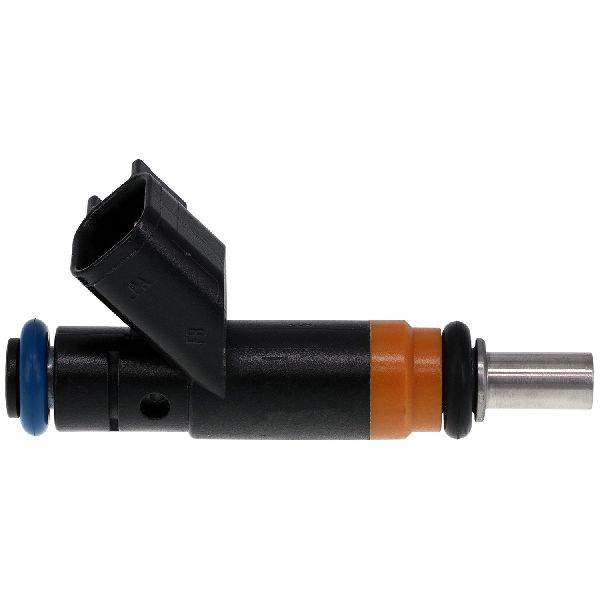
OEM Part Numbers: 05184085AC 05038337AB 5038838AA 04591986AA
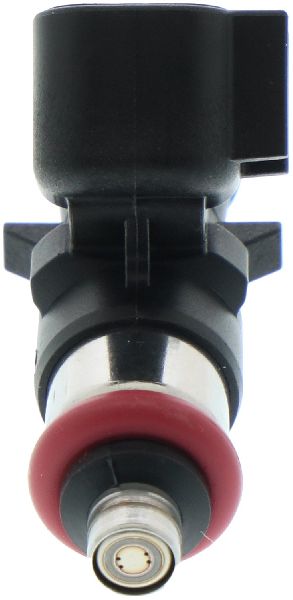
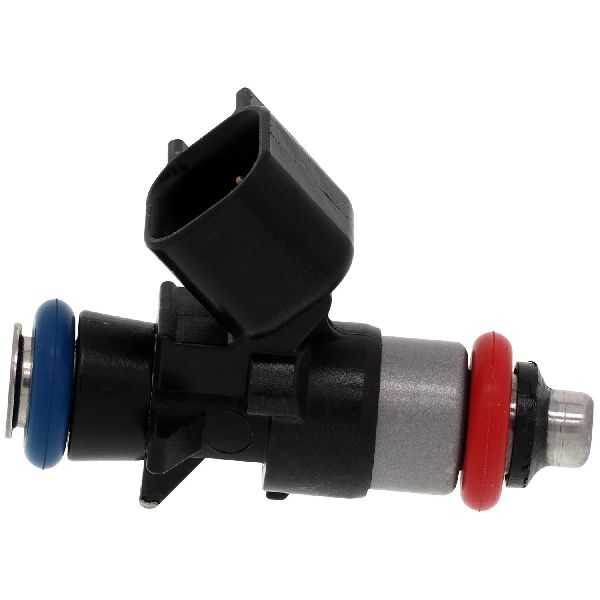
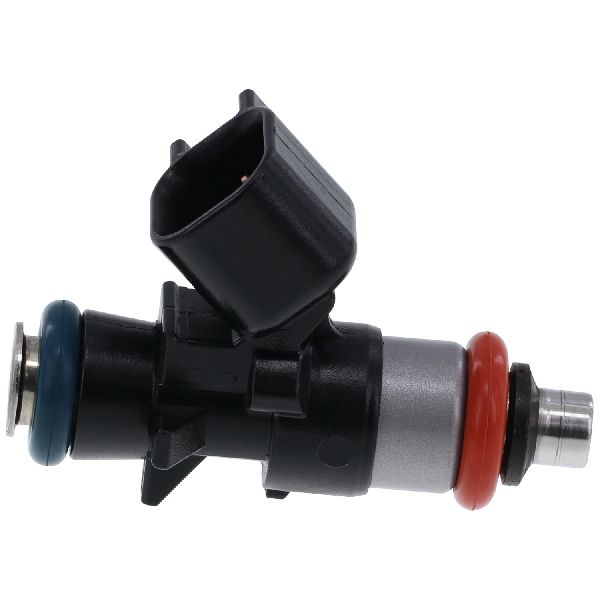
Varies by engine (3.6L V6, 5.7L HEMI V8, 6.4L HEMI V8, 6.2L Supercharged V8). Injectors are high-impedance, top-feed, and have specific flow rates (lb/hr or cc/min) matched to each engine. All use O-rings for sealing in the fuel rail and intake manifold.
We Have This Part in Stock


The information in this article is provided for general reference and educational purposes only. Vehicle specifications, procedures, and part compatibility can vary by production date, trim level, and region. Always consult your vehicle's factory service manual and verify part numbers before purchasing or performing repairs. Safety-critical components such as airbags, seat belts, and braking systems should be installed by a qualified professional.
- Dodge Challenger:
- 🎬 Helpful Videos
- 🛍️ Shop This Part
- Is Your Challenger's Fuel Injector Failing?
- Known Issues, Recalls, and Bulletins
- Choosing the Right Aftermarket Fuel Injector
- OEM vs. Aftermarket Quality
- Brand Tiers for Your Challenger
- Pro Tip: Replace in Sets?
- Fuel Injector Replacement Cost for Dodge Challenger (2015-2023)
- Frequently Asked Questions
- 🎟️ Get 5% Off