

Ford Mustang Fuel Pressure Sensor Guide (2015-2023): Symptoms and Replacement
If your S550 Mustang hesitates or stumbles, the fuel pressure sensor could be the simple fix you need.
- A common symptom of failure on EcoBoost models is a distinct bucking or hesitation under acceleration, which may not always trigger a check engine light.
- The high-pressure sensor on the fuel rail is very easy to access and replace, making it a great DIY job for under $100 and in less than 30 minutes.
- A small number of 2015 EcoBoost models were recalled for a fuel leak risk related to this sensor's installation from the factory.
- If your sensor fails, choosing an OEM (Motorcraft) or a reputable aftermarket brand like Standard Ignition or Dorman is recommended for a lasting repair.
High-Pressure vs. Low-Pressure Sensors

Your 2015-2023 Mustang has two main fuel pressure sensors. One is a low-pressure sensor that monitors fuel coming from the tank. 🎬 Learn more about replacing the low-pressure fuel sensor. The other is a high-pressure sensor located on the fuel rail on top of the engine. This guide focuses on the high-pressure fuel rail sensor, as it is the most common one to fail and is much easier to replace.
Symptoms of a Failing Fuel Pressure Sensor

When this sensor starts to go bad, it can't send the right signals to your car's computer. You might notice one or more of these issues:
- Engine Hesitation or Stumbling: The car may buck or jerk when you press the gas, especially on EcoBoost models when the turbo kicks in. This is one of the most reported symptoms.
- Check Engine Light: A failing sensor will often trigger the check engine light. Common trouble codes include P0087 (Fuel Rail Pressure Too Low) and P0190 (Fuel Rail Pressure Sensor Circuit Malfunction). 🎬 See how to diagnose and fix a P0087 trouble code.
- Rough Idle: The engine may run rough or shake while you're stopped.
- Hard Starting: The engine might take longer than usual to start.
- Poor Fuel Economy: You may find yourself visiting the gas station more often.
Known Issues: Recall and Service Bulletin
2015 Mustang Recall: A small number of 2015 EcoBoost Mustangs built between September 25, 2014, and October 9, 2014, were recalled (NHTSA #14V774000) for a sensor that could be improperly seated, causing a fuel leak. This was a factory installation issue, not a part failure.
TSB for Leaks: Ford also released a Technical Service Bulletin (TSB200242) in January 2021, noting that the existing sensor could leak and that a new part is available. This suggests an updated, more reliable design is now used.
Choosing the Right Aftermarket Sensor

When replacing the sensor, you have options outside of the expensive dealership part. Here’s a breakdown of common aftermarket brands:
- Standard Ignition (SMP): Often considered a top-tier aftermarket brand. They produce reliable parts that meet or exceed OEM specifications. A solid choice for a dependable repair without paying for the Ford logo.
- Dorman: A well-known brand that offers a good balance of quality and price. Dorman is known for re-engineering parts to fix original flaws. While some mechanics are cautious with their complex parts, a sensor like this is generally considered a safe bet.
- Vemo: This is typically a budget-friendly option. Reviews are mixed, with some users having good experiences and others seeing early failures. It can be a good choice if cost is your primary concern, but it may not have the longevity of other brands.
- Global Parts: This brand is also available but lacks significant user reviews or a strong reputation in forums for this specific part, making it a riskier choice.
| Part Type | Estimated Cost |
|---|---|
| New Aftermarket | $56.86 - $165.62 |
| New OEM (Motorcraft) | $85 - $150 |
| Shop Labor | $60 - $90 |
DIY Replacement is Easy
For the high-pressure sensor on the fuel rail, this is a great DIY job for beginners. It is easily accessible on top of the engine and requires only basic hand tools. The entire job can often be done in under 30 minutes.
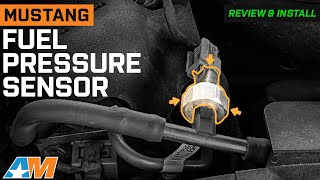
🎬 Watch this step-by-step guide to install your new sensor.Frequently Asked Questions

Is it difficult to replace the fuel pressure sensor myself?
No. For the high-pressure sensor on the fuel rail (especially on the EcoBoost), it is very easy. The sensor is on top of the engine. The process involves disconnecting the battery, unplugging the electrical connector, and unscrewing the old sensor with a wrench. It's considered a beginner-level repair that takes less than 30 minutes.
What tools do I need for the replacement?
You will typically need a 10mm wrench or socket to disconnect the battery and a 24mm (or 15/16") wrench for the sensor itself. It's also wise to have some rags handy to catch any small fuel drips.
My Mustang is a 2015. How do I know if the recall applies to me?
The recall only affected a very specific batch of 712 EcoBoost models made in late 2014. You can check if your specific vehicle is affected by entering your VIN on the NHTSA website (www.nhtsa.gov/recalls).
Should I buy an OEM Motorcraft sensor or is aftermarket okay?
For critical sensors, OEM (Motorcraft) is always the safest choice for guaranteed compatibility and longevity. However, reputable aftermarket brands like Standard Ignition and Dorman offer a reliable, cost-effective alternative that many owners use without issue.
Helpful Videos
![MUSTANG ECOBOOST - LOW PRESSURE FUEL SENSOR! [15-21]](https://img.youtube.com/vi/o-th9xmoYdQ/mqdefault.jpg)
Technical Specifications
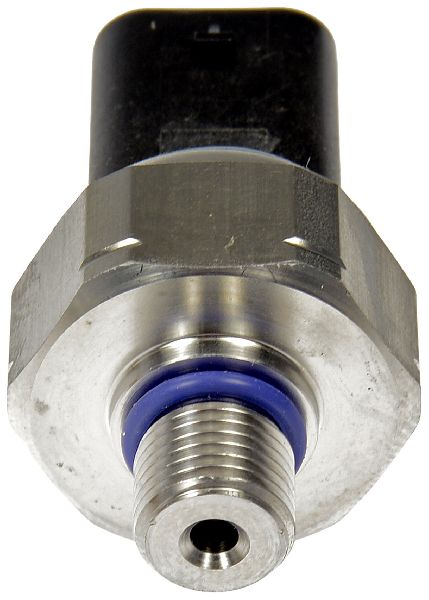
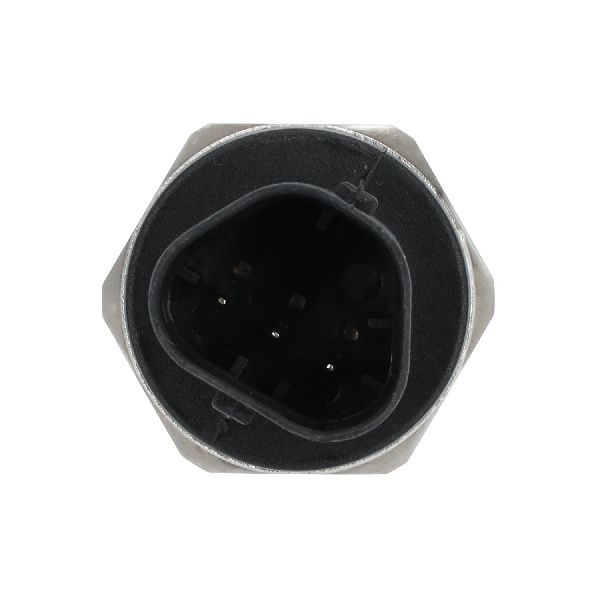
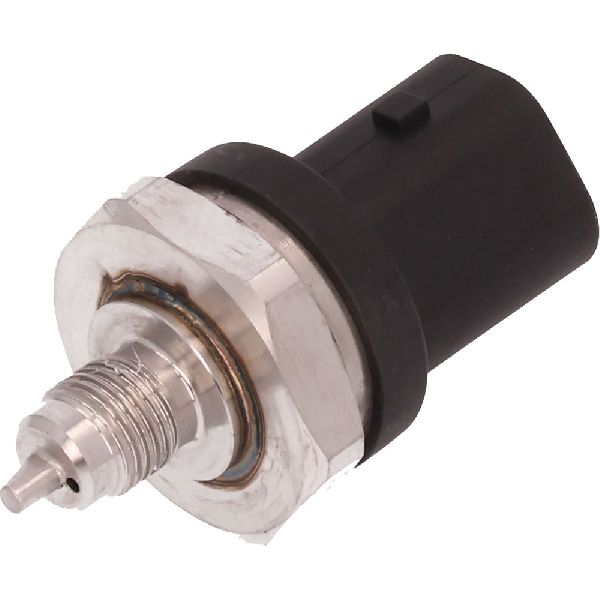
OEM Part Numbers: CM-5233 EJ7Z-9F972-A
This guide primarily covers the high-pressure fuel rail sensor. The 2015-2023 Mustang also utilizes a separate low-pressure fuel sensor (OEM part BU5Z-9F972-B for EcoBoost) in the fuel line.
We Have This Part in Stock


The information in this article is provided for general reference and educational purposes only. Vehicle specifications, procedures, and part compatibility can vary by production date, trim level, and region. Always consult your vehicle's factory service manual and verify part numbers before purchasing or performing repairs. Safety-critical components such as airbags, seat belts, and braking systems should be installed by a qualified professional.
- Ford Mustang: