

Subaru Forester Engine Coolant Thermostat: A Comprehensive Guide (2015-2023)
Understanding, diagnosing, and choosing the right replacement thermostat for your Forester's engine.
- For reliability, choose a Genuine Subaru or Aisin thermostat. The small cost savings of a budget brand isn't worth the risk of engine damage.
- A stuck-closed thermostat is an emergency; pull over immediately. A stuck-open thermostat is less urgent but should be fixed to protect your engine and fuel economy.
- Always use a thermostat with the factory temperature rating (around 190°F) for a daily driver.
- If replacing yourself, ensure the thermostat's jiggle pin is installed at the 12 o'clock position to allow air to bleed properly.
Is Your Forester's Thermostat Failing?
A thermostat is a simple part, but when it fails, it can cause noticeable problems. It usually fails in one of two ways: stuck open or stuck closed.
Stuck Closed: The Engine Killer
This is the most dangerous type of failure. The thermostat is stuck shut and won't allow coolant to get to the radiator. Your engine will overheat very quickly, which can lead to severe damage like warped cylinder heads or a blown head gasket. If you see the temperature gauge shoot into the red, pull over and shut off the engine immediately.
Stuck Open: The Inefficient Failure
More commonly, the thermostat fails by getting stuck open. Coolant is always flowing, which prevents the engine from reaching its proper operating temperature. This leads to poor heater performance, decreased fuel mileage, and can trigger the Check Engine Light for code P0128. While not immediately dangerous, it should be fixed to avoid long-term engine wear and wasted fuel.
Choosing the Right Aftermarket Thermostat
For a critical part like this on a Subaru, quality matters. While many brands are available, they are not all created equal. Here’s a breakdown of your options.
Tier 1: OEM & OEM-Equivalent
- Subaru (Genuine OEM): The factory part is the safest choice. It's designed specifically for your engine's requirements and is trusted by mechanics. You can't go wrong with OEM.
- Aisin: Aisin is a massive Japanese auto parts manufacturer and is widely believed to be the supplier for Subaru's factory thermostats. Choosing an Aisin thermostat is essentially like getting the OEM part, often for a lower price. It is a top-tier choice.
Tier 2: Reputable Aftermarket
- Gates: Gates is a well-known brand for cooling system and belt components. Their thermostats are generally considered a reliable standard replacement, though most Subaru specialists still prefer OEM or Aisin.
Tier 3: Budget & Performance Options
- Motorad, Calorstat, Facet: These brands fall into the standard or budget replacement category. Reviews for Motorad are mixed; some have no issues, while others report premature failures. Given the low cost of a top-tier part, using a budget option is a risk that may not be worth the small savings.
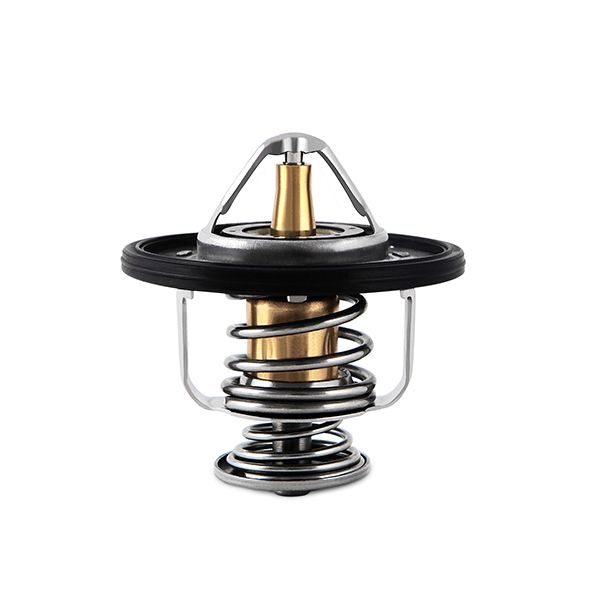
- Mishimoto: Mishimoto offers "racing" thermostats that open at a lower temperature. These are not recommended for a daily-driven, non-modified Forester. Running the engine too cool can hurt fuel economy and prevent the computer from operating efficiently. Stick to the factory-specified temperature unless you have a specific, highly-modified performance build.
Replacement Cost
The cost to replace a thermostat is reasonable. The part itself is not expensive, and the labor is straightforward for a mechanic.
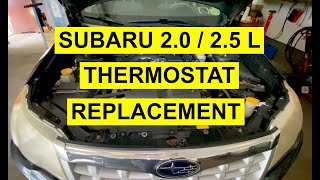
🎬 Watch this detailed walkthrough for 2.0L and 2.5L Subaru engines.| Part/Service | Estimated Cost |
|---|---|
| New OEM Thermostat | $25 - $50 |
| New Aftermarket Thermostat | $19 - $70 |
| Shop Labor | $100 - $200 |
| Total Professional Job | $125 - $250 |
Frequently Asked Questions
Is this a DIY job?
Yes, for a mechanically inclined person. The thermostat is located where the lower radiator hose meets the engine. The job involves draining the coolant, removing two bolts on the housing, swapping the thermostat and gasket, and then refilling and bleeding the cooling system. The most critical part is properly bleeding the air out of the system afterward to prevent overheating.
🎬 See how to properly burp and bleed your cooling system.What temperature thermostat do I need for my Forester?
You should use a thermostat with the factory-specified opening temperature, which is typically around 190-192°F (88°C). Using a lower temperature thermostat on a stock vehicle is not an "upgrade" and can cause more harm than good.
Are there any recalls for the thermostat on my Forester?
Based on searches of the NHTSA database and technical service bulletins, there are no widespread recalls or TSBs specifically for engine coolant thermostat failure on the 2015-2023 Subaru Forester.
What is the little pin on the thermostat for?
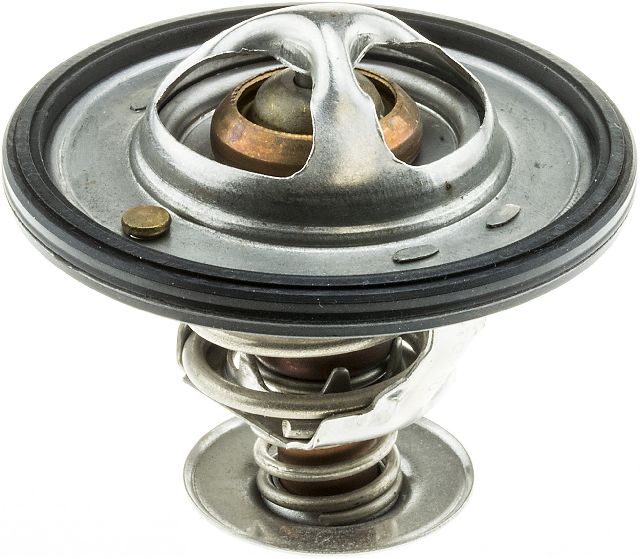
That small, wiggling pin is a jiggle pin or air bleed valve. It is critical for allowing trapped air to pass through the thermostat so you can properly bleed the cooling system. During installation, this pin MUST be oriented at the top (12 o'clock position).
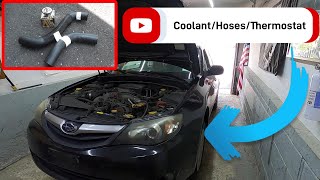
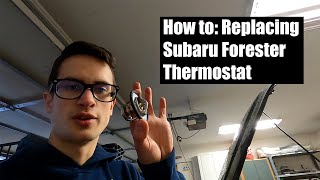
🎬 Watch a step-by-step guide to changing your Forester's thermostat.Helpful Videos

Technical Specifications
OEM Part Numbers: 21210AA181 21210AA190 21210AA291
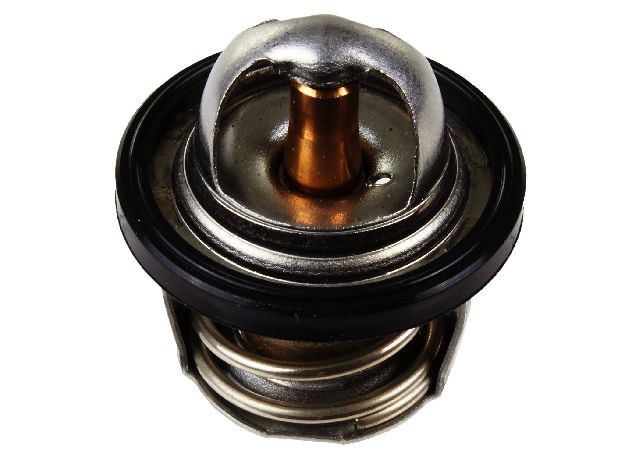
Standard opening temperature is approximately 88-92°C (190-197°F). Part includes a rubber gasket for sealing. The thermostat features a jiggle pin for air bleeding which must be installed in the 12 o'clock position.
We Have This Part in Stock


The information in this article is provided for general reference and educational purposes only. Vehicle specifications, procedures, and part compatibility can vary by production date, trim level, and region. Always consult your vehicle's factory service manual and verify part numbers before purchasing or performing repairs. Safety-critical components such as airbags, seat belts, and braking systems should be installed by a qualified professional.
- Subaru Forester:
- 🎬 Helpful Videos
- 🛍️ Shop This Part
- Is Your Forester's Thermostat Failing?
- Stuck Closed: The Engine Killer
- Stuck Open: The Inefficient Failure
- Choosing the Right Aftermarket Thermostat
- Tier 1: OEM & OEM-Equivalent
- Tier 2: Reputable Aftermarket
- Tier 3: Budget & Performance Options
- Replacement Cost
- Frequently Asked Questions
- 🎟️ Get 5% Off