

Acura TLX Oxygen Sensor: A Guide for 2015-2024 Models
Understanding the check engine light and choosing the right replacement oxygen sensor for your TLX.
- For 2015-2017 V6 models with a P0420 or P0430 code, check for TSB 19-049 or 17-034 for a software update before replacing any parts.
- Choose Denso or NGK/NTK brand sensors for the best aftermarket quality and compatibility, as they are original equipment suppliers for Acura.
- A bad oxygen sensor can damage your catalytic converter, a much more expensive repair. Address O2 sensor issues promptly.
- Verify the exact sensor location (e.g., Bank 1 Sensor 2) before purchasing, as upstream and downstream sensors are not interchangeable.
Is a Bad Oxygen Sensor Causing Your Check Engine Light?

A steady check engine light is the most common sign of a failing oxygen sensor in your Acura TLX. Other symptoms often accompany the light, indicating it's time for a diagnosis. Ignoring these signs can lead to reduced fuel economy and potentially damage more expensive parts, like the catalytic converter.
Common Symptoms of a Failing O2 Sensor:
- Check Engine Light: The onboard computer will trigger a light when sensor readings are out of specification.
- Poor Fuel Economy: A bad sensor can cause the engine to run rich, using more fuel than necessary.
- Rough Idle or Engine Hesitation: Incorrect air-fuel mixture can cause rough running, misfires, or a hesitant feeling during acceleration.
- Rotten Egg Smell: An overly rich fuel mixture can create a sulfur-like smell from the exhaust, indicating unburned fuel is hitting the hot catalytic converter.
- Failed Emissions Test: An O2 sensor that isn't reading correctly will almost certainly cause your vehicle to fail a state emissions inspection.
Important TSB for 2015-2017 V6 TLX Owners (DTC P0420/P0430)

If you own a 2015-2017 Acura TLX with the V6 engine and your check engine light is on with code P0420 or P0430, do not immediately replace the catalytic converter or oxygen sensor. Acura issued Technical Service Bulletins (TSB 19-049 for P0420 and TSB 17-034 for P0430) because the engine's software may misinterpret sensor data and incorrectly flag a bad catalytic converter. The official fix is a software update performed by an Acura dealer, which may be covered under the emissions warranty. Always have a dealer check for this TSB before paying for expensive part replacements.
🎬 Watch: Understanding the P0420 and P0430 codes on your TLXChoosing the Right Aftermarket Oxygen Sensor

When replacing an oxygen sensor, quality matters. For a sensitive system like your Acura's, using a high-quality part can prevent future headaches. Aftermarket brands can be grouped into tiers based on their reputation and whether they are an Original Equipment Manufacturer (OEM) for Honda/Acura.
Tier 1: OEM Suppliers (Denso & NGK/NTK)
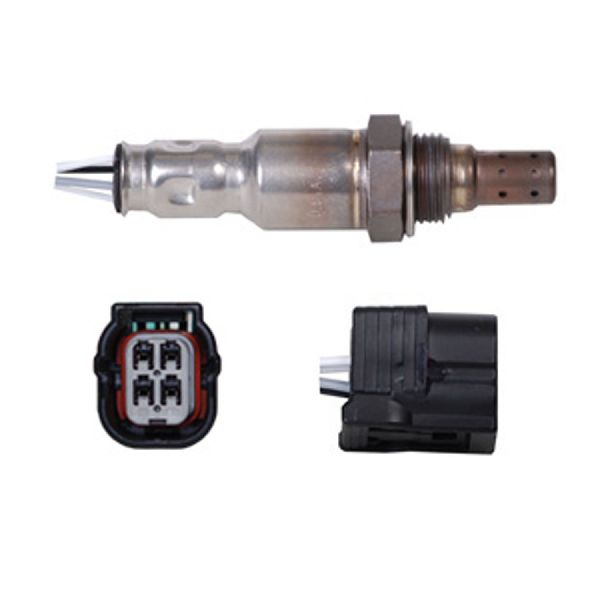
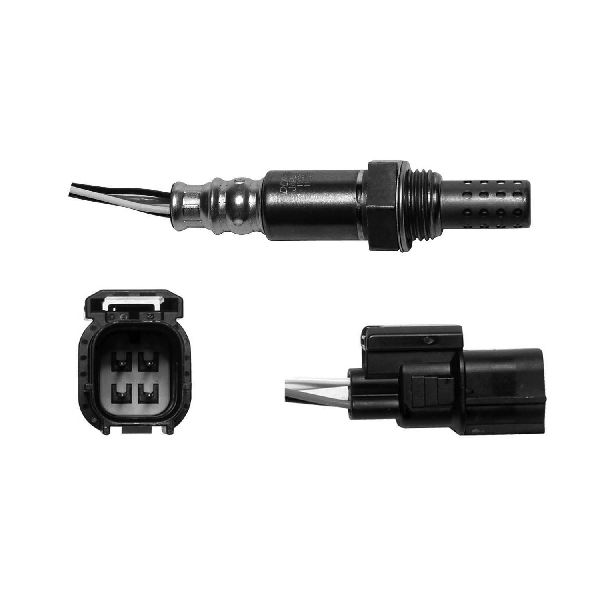
Denso and NGK (which sells sensors under the NTK brand) are the original equipment suppliers for many Honda and Acura vehicles. Choosing one of these brands is the closest you can get to buying the part from an Acura dealer without the dealership price. They are designed for a perfect fit and to meet the exact electrical specifications of your TLX, making them the most recommended choice in owner forums.
Tier 2: Reputable Aftermarket (Bosch)
Bosch is a world-renowned parts manufacturer that invented the automotive oxygen sensor. Their sensors are high-quality and reliable. While some mechanics and owners prefer to stick with the original Japanese suppliers for a Japanese car, a direct-fit Bosch sensor is a solid and dependable option that should perform well in your TLX.
Tier 3: Budget-Friendly (Spectra, Walker, DriveWire)
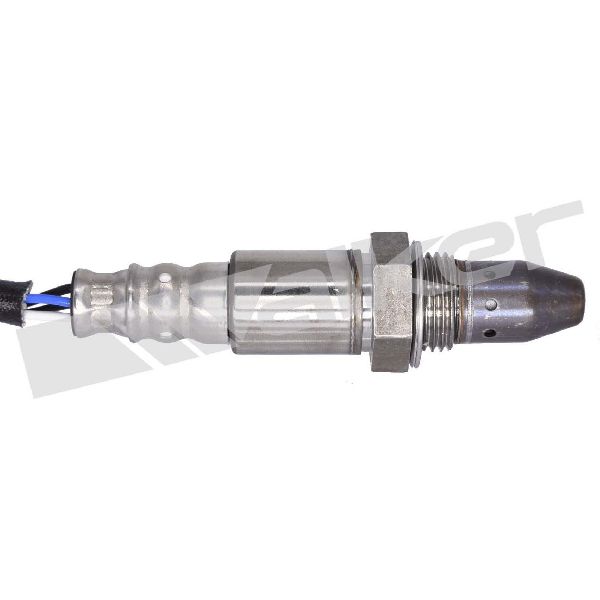
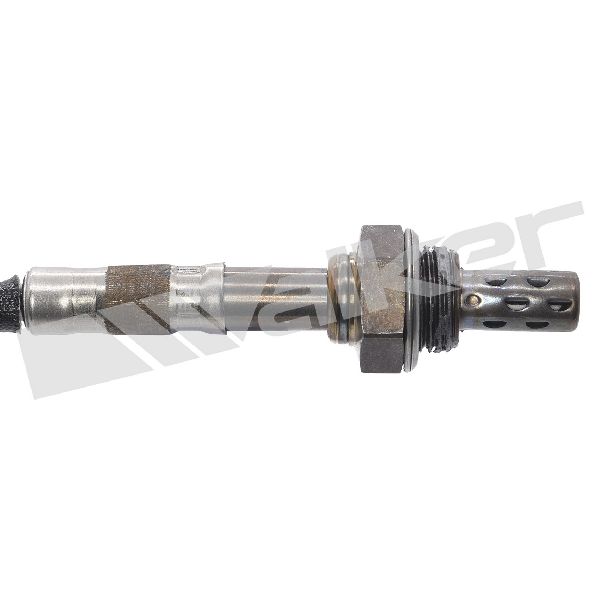
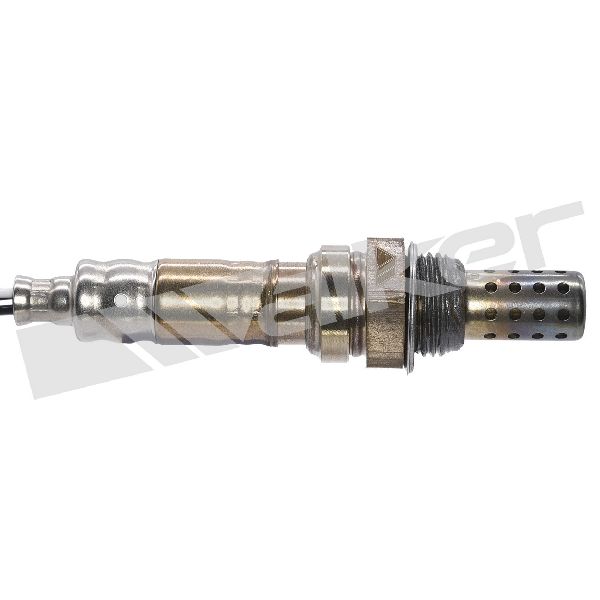
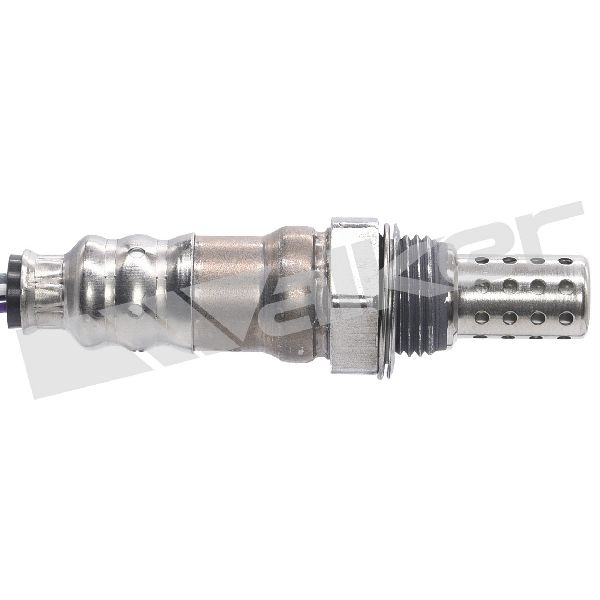
Brands like Spectra, Walker Products, and DriveWire offer more affordable oxygen sensors. These parts are designed to function as a direct replacement and can be a good option if you are on a tight budget. However, for a critical sensor that directly impacts engine performance and fuel economy, investing in an OEM-supplier brand like Denso or NTK is often worth the small extra cost to ensure long-term reliability and avoid potential compatibility issues.
Pro Tip: Upstream vs. Downstream Sensors
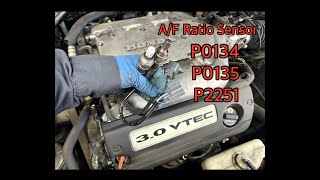
Your TLX has both upstream (before the catalytic converter) and downstream (after the converter) sensors. They are not interchangeable. The upstream sensors are often called Air/Fuel Ratio (A/F) sensors and have a different function and connector than the downstream sensors. On V6 models, you will have four sensors total (Bank 1 and Bank 2). Bank 1 is the rear bank near the firewall, and Bank 2 is the front bank near the radiator. 🎬 See how to replace the Bank 1 upstream sensor Always verify you are buying the correct sensor for the specific location that needs replacement.
Estimated Replacement Costs
| Part/Service | Estimated Cost |
|---|---|
| New Aftermarket Oxygen Sensor | $50 - $318 |
| New OEM Oxygen Sensor | $150 - $400+ |
| Shop Labor (per sensor) | $100 - $200 |
| Total Replacement (Aftermarket) | $150 - $518 |
| Total Replacement (OEM) | $250 - $600+ |
Costs are estimates and can vary based on your location, vehicle engine, and the specific sensor being replaced.
Frequently Asked Questions

How many oxygen sensors does a 2015-2024 Acura TLX have?
It depends on the engine. Four-cylinder models (2.4L and 2.0T) have two sensors: one upstream (air/fuel ratio) and one downstream. V6 models (3.5L and 3.0T) have four sensors: two upstream and two downstream, one pair for each cylinder bank.
Can I replace an oxygen sensor myself?
Yes, for someone with moderate DIY experience, replacing an oxygen sensor is feasible. The main challenge is often access and removing the old sensor, which can be seized in the exhaust pipe. You will need a special oxygen sensor socket that allows the wire to pass through. Some sensors, particularly on the rear bank of the V6, can be difficult to reach.
What is the difference between an Air/Fuel Ratio Sensor and an Oxygen Sensor?
They are both technically types of oxygen sensors, but they have different roles and are not interchangeable. Air/Fuel (A/F) ratio sensors are the upstream sensors used for precise fuel control and are typically more complex and expensive. The downstream sensors are simpler oxygen sensors used only to check the catalytic converter's health.
My mechanic says I need a new catalytic converter because of a P0420 code. What should I do?
If you have a 2015-2017 V6 model, your first step should be to ask a dealer to check for TSB 19-049. The problem could be a simple software glitch that requires an update, not a new, expensive converter. For other models, while a P0420 code often means a bad converter, it can also be caused by a failing downstream oxygen sensor or an exhaust leak. It is wise to rule out the less expensive possibilities first.
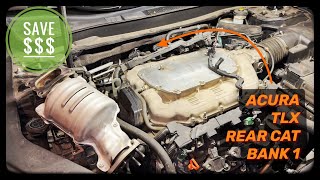
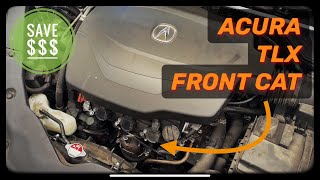
🎬 Watch: Step-by-step guide for replacing the rear catalytic converterShould I replace all the oxygen sensors at once?
It is not always necessary. You only need to replace the sensor that has failed. However, sensors age and degrade over time. If your vehicle has high mileage (over 100,000 miles) and one sensor fails, the others may not be far behind. Replacing them in pairs (both upstream or both downstream on V6 models) or all at once can be a good preventative measure if your budget allows.
Helpful Videos
Technical Specifications
OEM Part Numbers: 36531-5A2-A01 36532-5A2-A01 36531-R70-A02 36532-RCA-A51 36531-6B2-A01 36532-6S9-A01
Varies by engine and location. Upstream (A/F) sensors for the 3.5L V6 typically use a 6-pin connector, while downstream sensors use a 4-pin connector. Always confirm the part number and connector type for your specific vehicle application.
We Have This Part in Stock

The information in this article is provided for general reference and educational purposes only. Vehicle specifications, procedures, and part compatibility can vary by production date, trim level, and region. Always consult your vehicle's factory service manual and verify part numbers before purchasing or performing repairs. Safety-critical components such as airbags, seat belts, and braking systems should be installed by a qualified professional.
- Acura TLX:
- 🎬 Helpful Videos
- 🛍️ Shop This Part
- Is a Bad Oxygen Sensor Causing Your Check Engine Light?
- Common Symptoms of a Failing O2 Sensor:
- Important TSB for 2015-2017 V6 TLX Owners (DTC P0420/P0430)
- Choosing the Right Aftermarket Oxygen Sensor
- Tier 1: OEM Suppliers (Denso & NGK/NTK)
- Tier 2: Reputable Aftermarket (Bosch)
- Tier 3: Budget-Friendly (Spectra, Walker, DriveWire)
- Pro Tip: Upstream vs. Downstream Sensors
- Estimated Replacement Costs
- Frequently Asked Questions
- 🎟️ Get 5% Off