

A Guide to the Mass Air Flow Sensor for the 2015-2024 Audi A3
If your Audi A3 is running rough, hesitating, or getting poor gas mileage, a faulty Mass Air Flow sensor could be the culprit.
- A bad MAF sensor on an A3 typically causes hesitation, rough idle, and poor fuel economy before a Check Engine Light appears.
- Replacement is a simple DIY task, located right after the air filter box and held by two screws.
- For critical sensors on an Audi, using an OEM-supplier brand like Bosch is highly recommended to avoid performance issues.
- Symptoms of a bad MAF can be similar to a simple vacuum leak or a dirty air filter, which should be checked first.
Symptoms of a Failing Audi A3 MAF Sensor

A MAF sensor doesn't always fail completely. Often, it will slowly become less accurate, causing subtle problems that can be hard to diagnose. You might notice issues before a Check Engine Light appears. Common symptoms include:
- Sluggish Acceleration: The car feels weak or delayed, especially when you press the gas pedal lightly.
- Engine Hesitation or Surging: The engine may stumble or jerk when you accelerate. 🎬 See this step-by-step guide for diagnosing engine jerking and misfires.
- Rough Idle: The engine idles unevenly or feels shaky.
- Poor Fuel Economy: You may find yourself filling up the gas tank more often.
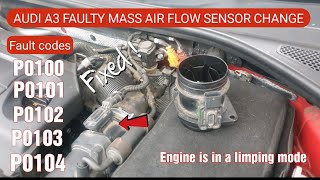
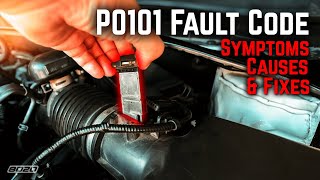
- Check Engine Light: Eventually, the ECU will detect the problem and trigger a light. The most common code is P0101, which points to a MAF sensor performance issue. 🎬 Watch: Understanding the P0101 code and how to fix it.
- Black Smoke from Exhaust: In some cases, a very rich fuel mixture caused by a bad sensor can lead to black smoke.
Can Other Problems Seem Like a Bad MAF?
Yes. It's important to know that issues like a dirty air filter, a clogged catalytic converter, or a vacuum leak in the intake system can cause similar symptoms and even trigger a P0101 code. Always check for these simpler issues first.
Choosing the Right Aftermarket MAF Sensor

When replacing the MAF sensor on your A3, you have several options. The quality of this specific sensor is very important for modern Audis, and using a low-quality part can cause more problems than it solves. Forum users and mechanics often report that cheap, unbranded sensors can be hit-or-miss, sometimes being faulty right out of the box or failing quickly.
Brand Tiers for Your Audi A3
- Top Tier (OEM Supplier): Bosch is frequently the original equipment manufacturer (OEM) for Audi's engine sensors. Choosing a Bosch aftermarket sensor is the closest you can get to buying the part from an Audi dealer, often at a lower price. It is built to the exact same specifications and is the safest choice for long-term reliability.
- Reliable Aftermarket: Brands like Delphi and Hella have a strong reputation in automotive electronics and are trusted by professional repair shops. They design their sensors to meet or exceed original specifications and are a solid choice for a dependable repair.
- Budget-Friendly Options: Brands like Spectra Premium and Walker Products offer more affordable solutions. While they can provide a functional replacement, some user experiences suggest their performance can be inconsistent compared to premium brands. Vemo is another available brand in this category.
Pro Tip: Many experienced Audi owners and technicians strongly recommend using an OEM or OEM-supplier part (like Bosch) for critical engine sensors to avoid compatibility and performance issues.
Cost of Replacing an Audi A3 MAF Sensor
The replacement cost depends on the part you choose and whether you do the work yourself. The job is simple enough for most DIY mechanics.
| Item | Estimated Cost |
|---|---|
| New OEM (Dealer) Part | $250 - $500+ |
| New Aftermarket Part | $104 - $757 |
| Shop Labor | $75 - $150 |
Frequently Asked Questions

Can I just clean my A3's MAF sensor?
Sometimes, cleaning the sensor with a dedicated MAF sensor cleaner spray can solve the problem, especially if the issue is caused by dirt or oil buildup. However, if the sensor's internal electronics are failing, cleaning is only a temporary fix or won't work at all. Never touch the delicate sensor wires inside.
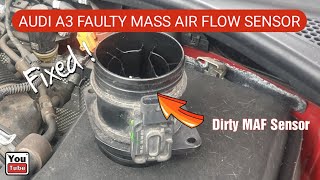
🎬 Watch: How to clean your MAF sensor for a cheap fix.Where is the MAF sensor located on the 2015-2024 Audi A3?
The MAF sensor is located on the air intake tube, right after the air filter box. It has an electrical connector and is typically held in place by two Torx screws.
Is replacing the MAF sensor a DIY job?
Yes, for most people with basic tools. The process involves unplugging a connector, removing two screws, and swapping the sensor. It is considered a beginner-level repair and should take less than an hour.
Do I need to reset anything after replacing the sensor?
It is a good practice to clear any fault codes from the engine computer using an OBD2 scanner after installation. Some guides also recommend letting the car idle for a few minutes to allow the ECU to adapt to the new sensor.
Are there any recalls for the Audi A3 MAF sensor?
No, there are no specific recalls for the Mass Air Flow sensor on the 2015-2024 Audi A3. Searches of NHTSA data show recalls for other issues like the fuel system's suction pump and passenger airbag sensors, but not the MAF sensor.
Helpful Videos



Technical Specifications
OEM Part Numbers: 04L906461B
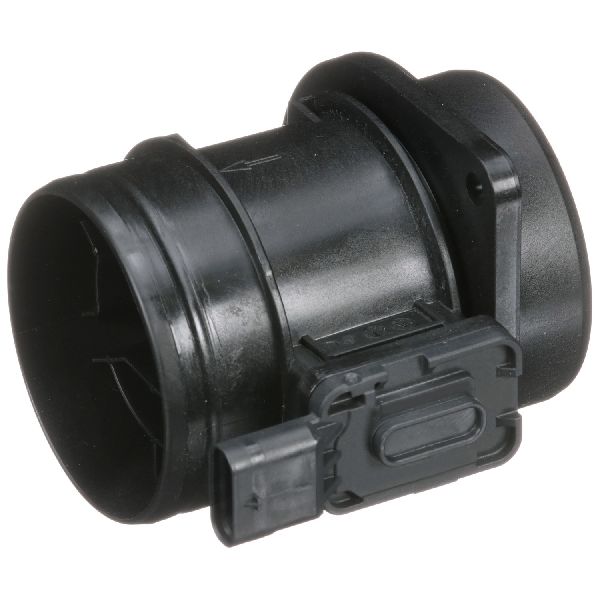
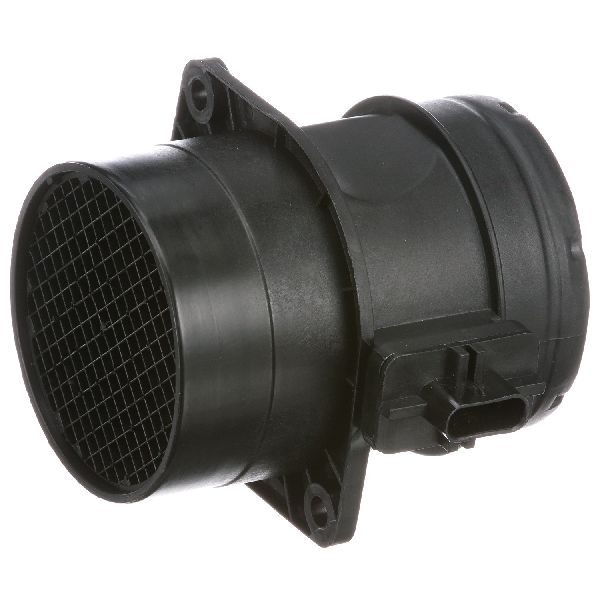
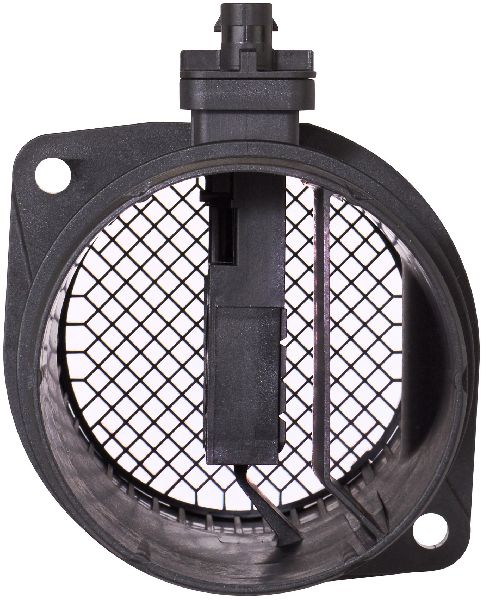
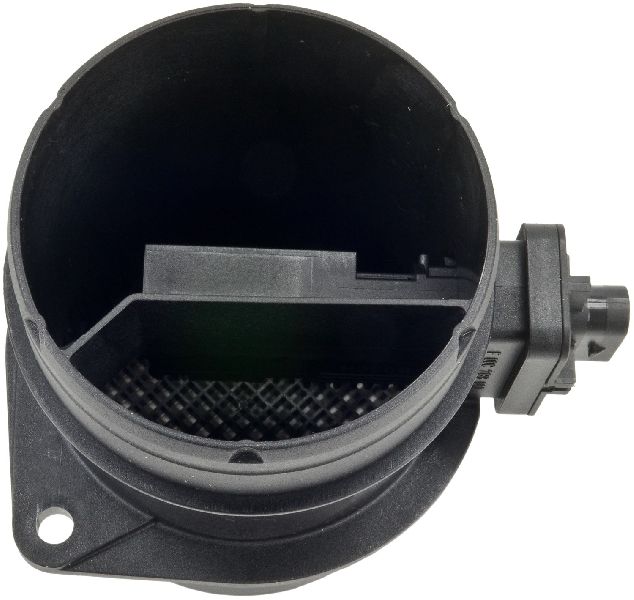
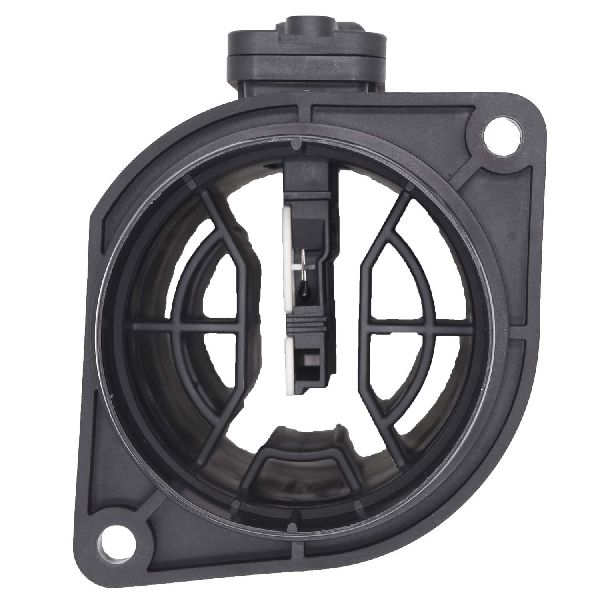
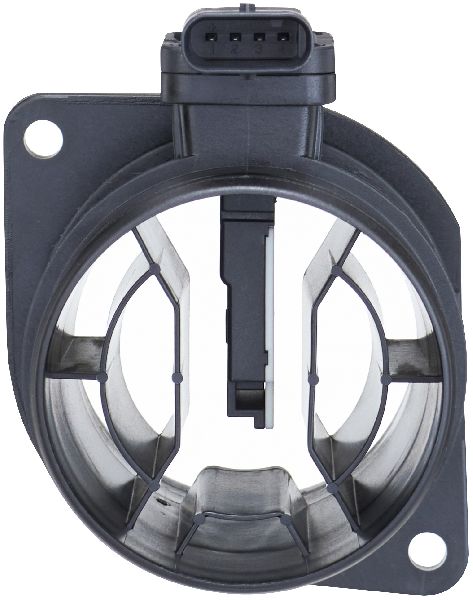
The MAF sensor for the 2015-2024 Audi A3 is a hot-film type sensor that mounts directly to the air intake duct. It uses a multi-pin electrical connector to send airflow data to the ECU. The correct part number can vary based on the specific engine (1.8T, 2.0T, TDI) and model year.
We Have This Part in Stock

The information in this article is provided for general reference and educational purposes only. Vehicle specifications, procedures, and part compatibility can vary by production date, trim level, and region. Always consult your vehicle's factory service manual and verify part numbers before purchasing or performing repairs. Safety-critical components such as airbags, seat belts, and braking systems should be installed by a qualified professional.
- Audi A3: