

A Guide to the Engine Coolant Temperature Sensor for the 2015-2024 Audi A3 Quattro
Understand the signs of a failing coolant temperature sensor and how to choose the right replacement for your Audi.
- A failing ECT sensor on an A3 Quattro often triggers codes P0117 or P0118 and causes an erratic temperature gauge.
- When diagnosing, also check for coolant leaks from the water pump/thermostat housing, a known issue on the EA888 engine.
- Replacement of the lower radiator hose sensor is a feasible DIY job that requires minimal tools.
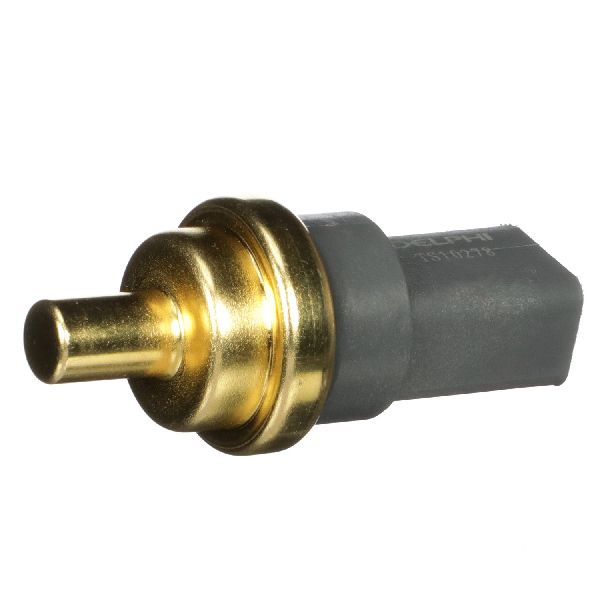
- Choosing a quality aftermarket brand like Hella, Bosch, Vemo, or Delphi can provide OEM-level performance for less money.
Understanding the Coolant Temperature Sensor in Your A3 Quattro

The engine coolant temperature (ECT) sensor is a key player in your Audi's engine management system. The 2.0T engine, common in the 2015-2024 A3 Quattro, relies on accurate temperature readings to operate efficiently and protect itself from damage. When this sensor fails, it can send incorrect information to your car's computer, leading to a variety of noticeable problems. It's a common point of failure on many vehicles, and addressing it promptly can prevent more serious issues down the road.
Symptoms of a Failing ECT Sensor

A bad ECT sensor can make your car behave strangely. Here are the most common signs:
- Check Engine Light: This is often the first sign. The light will come on, and a code scan will likely show faults related to the ECT sensor, such as P0116, P0117, or P0118. 🎬 Watch: How to test and replace a faulty temperature sensor.
- Erratic Temperature Gauge: The needle on your dashboard's temperature gauge might jump around, read very high immediately after starting, or not move at all.
- Poor Fuel Economy: If the sensor wrongly tells the computer the engine is cold, the computer will enrich the fuel mixture, causing you to use more gas.
- Black Smoke from Exhaust: A rich fuel mixture that isn't burning completely can result in black smoke coming from the tailpipe.
- Cooling Fans Run Constantly or Not at All: The sensor controls the cooling fans. A bad sensor might cause the fans to run all the time, draining your battery, or not turn on when needed, risking overheating.
- Rough Idle or Hard Starting: The wrong temperature reading can cause incorrect fuel and timing adjustments, leading to a rough idle or difficulty starting the engine.
A Note on Related Issues
The EA888 engine used in these Audis is known for potential leaks from the plastic water pump and thermostat housing. These leaks can cause coolant loss, leading to symptoms like an illuminated low coolant light and temperature fluctuations that can be mistaken for a bad sensor. If you have these symptoms, it's wise to inspect the entire cooling system for pink or white crusty residue, which indicates a coolant leak.
Choosing the Right Aftermarket Sensor

When replacing the ECT sensor, you have a choice between OEM (Original Equipment Manufacturer) and aftermarket parts. While some recommend sticking to genuine Audi parts, several aftermarket brands produce high-quality sensors that meet or exceed OEM specifications.
Here’s a breakdown of brand quality tiers based on reputation in the European car community:
- Tier 1 (OEM Quality): Brands like Hella, Vemo, Delphi, and Bosch are often original equipment suppliers for Audi and other German manufacturers. Choosing a sensor from one of these brands is a safe bet for reliability and proper function. NGK/NTK is also a highly reputable manufacturer of sensors.
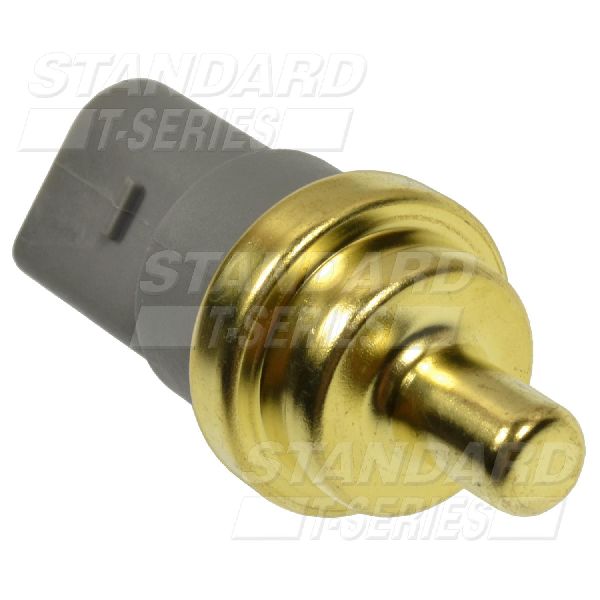
- Tier 2 (Professional Grade): Brands like Standard Ignition (SMP) and Beck Arnley are well-regarded in the aftermarket for producing reliable parts that offer a good balance of quality and value.
- Tier 3 (Value-Oriented): Brands like Four Seasons, Global Parts, and True Tech offer a more budget-friendly option. While functional, they may not have the same long-term durability or precise calibration as higher-tier brands.
Pro Tip: Check the Connector
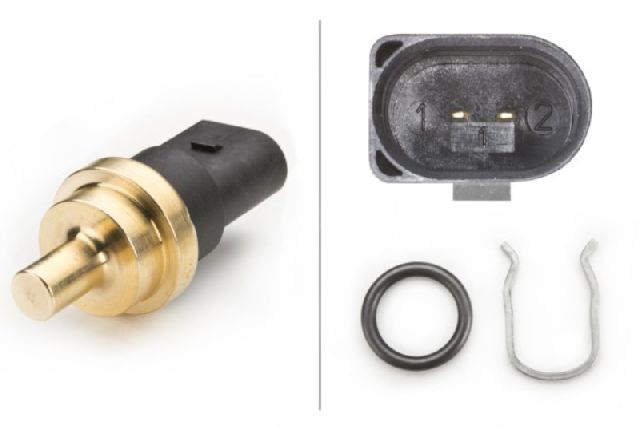
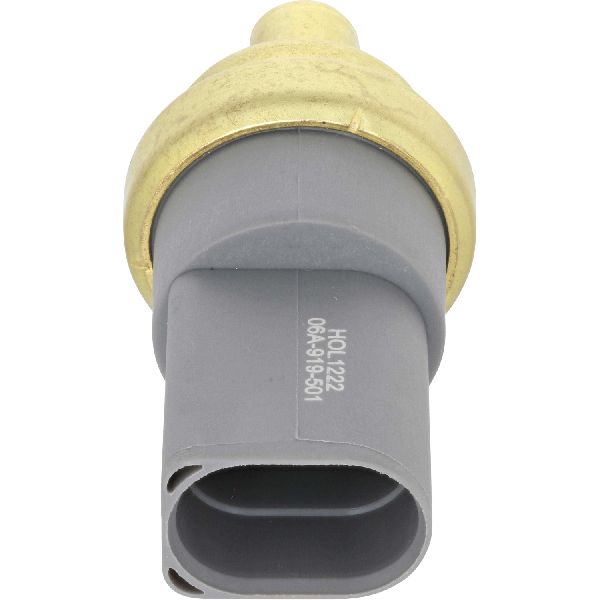
Before ordering, it's a good idea to visually inspect the sensor on your vehicle. Note the shape of the electrical connector and the number of pins to ensure you order an exact match. Some replacement kits also include a new retaining clip and O-ring, which is highly recommended for a leak-free installation.
Cost of Replacing an Engine Coolant Temperature Sensor
| Part Type | Typical Cost |
|---|---|
| New Aftermarket Part | $9 - $65 |
| Shop Labor | $70 - $150 |
| Estimated Total (DIY) | $9 - $65 |
| Estimated Total (At a Shop) | $80 - $215 |
Cost estimates are approximate and can vary based on your location and the specific repair shop.
Frequently Asked Questions (FAQ)

Where is the ECT sensor located on my A3 Quattro?
The 2015-2024 Audi A3 Quattro with the 2.0T engine can have more than one temperature sensor. A common one to fail is located on the lower radiator hose, near the driver's side of the radiator. It is typically held in place by a plastic clip. Another sensor is often located on the engine block, near the thermostat housing. It's best to confirm the location for your specific vehicle, as it can vary slightly.
Can I drive my car with a bad ECT sensor?
It is not recommended for long periods. While you might be able to drive, a bad sensor can cause poor performance, terrible fuel economy, and most importantly, it could fail to warn you of a real overheating event, which could lead to severe engine damage.
Is replacing the ECT sensor a DIY job?
For many owners, yes. The sensor located on the lower radiator hose is often accessible from the top of the engine bay and is held in by a simple clip. 🎬 See this walkthrough for replacing your A3 coolant sensor. If you are quick, very little coolant will be lost. However, the space can be tight. If you are not comfortable working on your vehicle, a professional mechanic can perform the job relatively quickly.
What do the fault codes P0117 and P0118 mean?
These are very common codes for a failing ECT sensor. P0117 (Circuit Low Input) means the computer is seeing a voltage signal that is too low, which it interprets as an extremely high temperature. P0118 (Circuit High Input) means the signal voltage is too high, which the computer interprets as an extremely low (often freezing) temperature. 🎬 Watch: EricTheCarGuy explains how to diagnose P0118 fault codes. Both codes usually point to a bad sensor or a wiring issue.
Helpful Videos
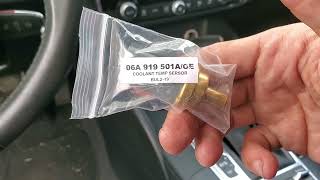
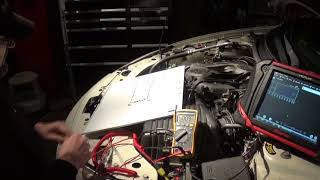


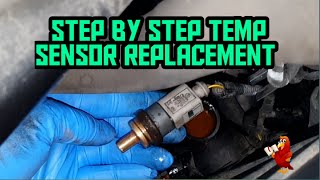
Technical Specifications
OEM Part Numbers: 079919523J
The sensor is a thermistor that changes resistance based on coolant temperature. It is typically a 2-pin sensor held in place by a retaining clip and sealed with an O-ring.
We Have This Part in Stock

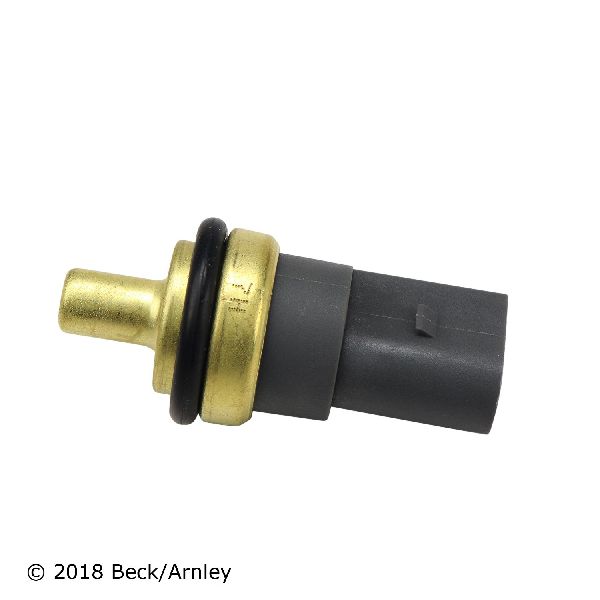

The information in this article is provided for general reference and educational purposes only. Vehicle specifications, procedures, and part compatibility can vary by production date, trim level, and region. Always consult your vehicle's factory service manual and verify part numbers before purchasing or performing repairs. Safety-critical components such as airbags, seat belts, and braking systems should be installed by a qualified professional.
- Audi A3 Quattro:
- 🎬 Helpful Videos
- 🛍️ Shop This Part
- Understanding the Coolant Temperature Sensor in Your A3 Quattro
- Symptoms of a Failing ECT Sensor
- A Note on Related Issues
- Choosing the Right Aftermarket Sensor
- Pro Tip: Check the Connector
- Cost of Replacing an Engine Coolant Temperature Sensor
- Frequently Asked Questions (FAQ)
- 🎟️ Get 5% Off