

Chrysler Pacifica Engine Coolant Temperature Sensor Guide (2017-2024)
Understanding the signs of a failing engine coolant temperature sensor in your Pacifica and how to choose the right replacement.
- A bad ECT sensor can cause a Check Engine Light, poor fuel economy, overheating, and rough idling.
- The sensor is located on the right side of the 3.6L engine near the thermostat housing and is a simple DIY replacement.
- Quality aftermarket brands like NGK, Standard Ignition, and Delphi are reliable alternatives to the more expensive OEM part.
- Do not ignore symptoms; a failed sensor can lead to serious engine damage from overheating.
Understanding the Role of the ECT Sensor in Your Pacifica

Think of the Engine Coolant Temperature (ECT) sensor as a critical messenger for your van's 3.6L engine. It tells the main computer how hot or cold the engine is. This isn't just for the temperature gauge on your dashboard; it's essential for performance. When the engine is cold, the computer uses the sensor's reading to enrich the fuel mixture for a smooth start. As it warms up, the computer adjusts for better fuel economy and lower emissions. It also determines when to switch on the cooling fans, which is a known point of concern for Pacifica owners who notice high temperatures in city driving.
Symptoms of a Failing ECT Sensor


A bad ECT sensor can cause a range of confusing problems. Because the computer receives incorrect temperature data, it makes poor decisions about how to run the engine. You might notice one or more of the following issues:
- Check Engine Light: This is often the first sign. The sensor may trigger codes like P0117 (circuit low), P0118 (circuit high), or others related to sensor performance.
- Poor Fuel Economy: If the sensor is stuck reading cold, the computer will keep the fuel mixture rich, wasting gas.
- Black Smoke from Exhaust: A consistently rich fuel mixture can lead to black or dark gray smoke from the tailpipe.
- Engine Overheating or Running Too Cool: A faulty sensor can fail to trigger the cooling fans when needed, leading to overheating. Conversely, it might keep the fans running constantly, preventing the engine from reaching its ideal operating temperature. Some Pacifica owners report that the fans don't turn on until about 225°F, which is normal for this vehicle, but a bad sensor can disrupt this.
- Rough Idling or Hard Starts: The wrong fuel and air mixture can cause the engine to run poorly, especially when it's trying to start.
- Erratic Temperature Gauge: The gauge on your dashboard may swing wildly, stay on cold, or jump to hot even when the engine isn't overheating.
Is It the Sensor or Something Else?
The symptoms of a bad ECT sensor can overlap with other issues, like a faulty thermostat, low coolant, or wiring problems. If you replace the sensor and the problem persists, the issue may lie elsewhere in the cooling system.
Choosing the Right Aftermarket ECT Sensor

For the 2017-2024 Chrysler Pacifica, you don't necessarily need to pay for a genuine Mopar part. Quality aftermarket brands offer reliable performance that meets or exceeds original equipment (O.E.) specifications. Aftermarket parts are a cost-effective solution for this type of repair.
Aftermarket Brand Tiers
- Premium Aftermarket (e.g., NGK/NTK, Standard Ignition, Delphi): These brands are well-regarded for their quality and engineering. They often manufacture parts for automakers directly and design their sensors to match O.E. performance and durability. Delphi, for example, highlights its one-piece design that eliminates common failure points.
- Quality Aftermarket (e.g., Holstein, Walker Products, Crown Automotive): These brands provide a solid balance of quality and value. They are direct-fit replacements designed to function like the original part and are a good choice for most repairs.
- Value-Focused (e.g., Global Parts): These brands offer the most budget-friendly options. While they meet basic fit and function requirements, they may not have the same long-term durability or rigorous testing as premium brands.
Check the Connector
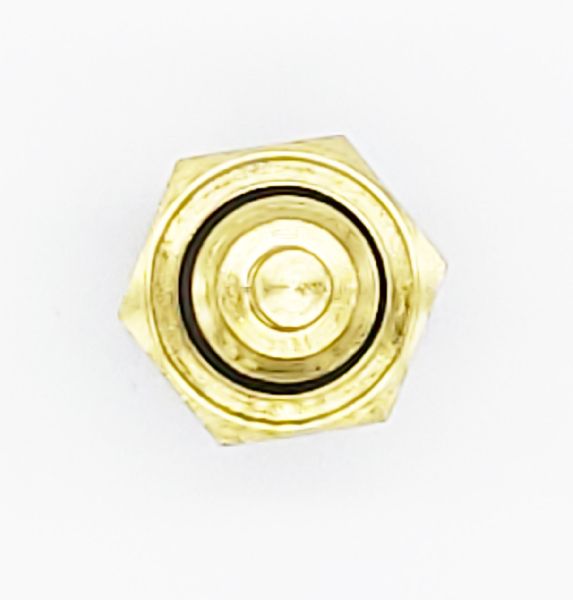
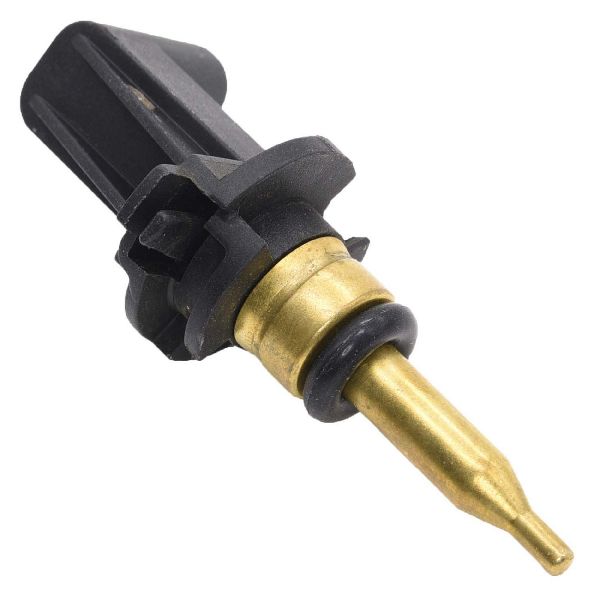
Before ordering, it's a good idea to visually inspect the sensor on your Pacifica. Note the shape of the electrical connector and the number of pins (terminals) to ensure you buy an exact match. Most Pacifica sensors have a 2-pin connector.
Cost of Replacing a Chrysler Pacifica ECT Sensor
This is a very affordable and straightforward repair if you do it yourself. The part itself is inexpensive, and the labor is minimal. A shop will charge significantly more, mostly for labor and diagnostic time.
| Item | Cost Range |
|---|---|
| New Aftermarket ECT Sensor | $17.80 - $49.14 |
| Estimated Shop Labor | $179 - $263 |
| Total Shop Replacement Cost | ~$200 - $700+ (Estimates vary widely by source) |
Frequently Asked Questions (FAQ)
Where is the ECT sensor located on a 2017-2024 Chrysler Pacifica?
On the 3.6L V6 engine, the engine coolant temperature sensor is located on the front, right side of the engine, typically near the thermostat housing. It is screwed into a coolant passage.
Can I replace the Pacifica's ECT sensor myself?
Yes, this is a DIY-friendly job for most people with basic tools. The process involves disconnecting the electrical connector, using a deep socket to unscrew the old sensor, and quickly installing the new one. Some coolant will spill, so have a drain pan ready. The engine should be cool before you start.
Are there any recalls or TSBs for the Pacifica ECT sensor?
As of now, there are no specific recalls or Technical Service Bulletins (TSBs) from Chrysler or the NHTSA directly for the engine coolant temperature sensor on the 2017-2024 Pacifica. There are recalls for PHEV battery fires and other sensor-related software updates, but none that target this specific part.
What happens if I don't replace a bad ECT sensor?
Ignoring a bad ECT sensor can lead to more serious issues. Persistently poor fuel economy costs you money, and an incorrect fuel mixture can damage your catalytic converter over time. Most critically, if the sensor fails to detect an overheating condition, you risk severe engine damage like a warped cylinder head or blown head gasket.
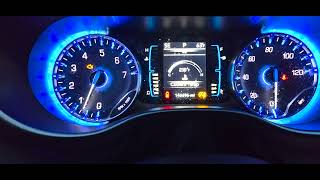
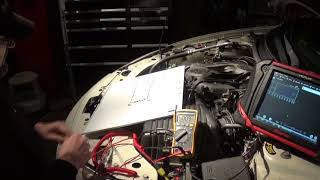
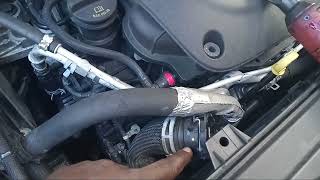
Helpful Videos


Technical Specifications
OEM Part Numbers: 68217702AC 5149077AB
Typically a 2-terminal, brass and plastic sensor that screws into the engine's coolant passage.
We Have This Part in Stock



The information in this article is provided for general reference and educational purposes only. Vehicle specifications, procedures, and part compatibility can vary by production date, trim level, and region. Always consult your vehicle's factory service manual and verify part numbers before purchasing or performing repairs. Safety-critical components such as airbags, seat belts, and braking systems should be installed by a qualified professional.
- Chrysler Pacifica:
- 🎬 Helpful Videos
- 🛍️ Shop This Part
- Understanding the Role of the ECT Sensor in Your Pacifica
- Symptoms of a Failing ECT Sensor
- Is It the Sensor or Something Else?
- Choosing the Right Aftermarket ECT Sensor
- Aftermarket Brand Tiers
- Check the Connector
- Cost of Replacing a Chrysler Pacifica ECT Sensor
- Frequently Asked Questions (FAQ)
- 🎟️ Get 5% Off