

A Guide to Replacing Oxygen Sensors on the 2015-2024 Ford Mustang
Understand, diagnose, and choose the right new aftermarket oxygen sensor for your S550 or S650 Mustang.
- A bad oxygen sensor will trigger a Check Engine Light and cause poor fuel economy and rough running.
- For 2015-2024 Mustangs, choose direct-fit sensors from trusted brands like Motorcraft, Bosch, Denso, or NTK for best results.
- Upstream sensors are critical for engine performance; downstream sensors primarily monitor emissions.
- Replacement is a manageable DIY task with the right O2 sensor socket, but rusted sensors can be difficult to remove.
Is Your Mustang's Oxygen Sensor Failing?

Oxygen sensors live in a harsh environment and will eventually wear out, typically after 100,000 miles. When they start to fail, they can send incorrect information to your Mustang's computer, leading to several noticeable problems. Ignoring a bad O2 sensor can result in poor engine performance, reduced fuel economy, and even damage to the expensive catalytic converters.
Key Failure Symptoms:
- Check Engine Light: This is the most common sign. Codes like P0131 (Sensor Circuit Low Voltage), P0135 (Heater Circuit Malfunction), or P0420 (Catalyst System Efficiency Below Threshold) often point to a bad O2 sensor.
- Poor Fuel Economy: If the sensor provides a bad reading, the engine's computer might enrich the fuel mixture, causing you to use more gas.
- Rough Idle and Hesitation: An incorrect air-fuel ratio can cause your engine to run rough, hesitate during acceleration, or even misfire.
- Failed Emissions Test: A bad O2 sensor will almost certainly cause your vehicle to fail a state-mandated emissions inspection.
Upstream vs. Downstream Sensors
Your Mustang has multiple O2 sensors. "Upstream" sensors (also called Sensor 1) are before the catalytic converter and are vital for engine performance. "Downstream" sensors (Sensor 2) are after the cat and mostly monitor emissions. When replacing sensors for performance, focus on high-quality upstream sensors.
Choosing the Right Aftermarket Oxygen Sensor

When shopping for a new oxygen sensor, you'll find several brands. While Motorcraft is the original Ford part, many aftermarket brands offer a great balance of quality and price.
Brand Quality Tiers:
- OEM / Premium Aftermarket (Motorcraft, Bosch, Denso, NGK/NTK): Motorcraft is the Ford factory brand, offering a guaranteed fit and performance. Bosch, Denso, and NGK (under their NTK sensor brand) are often the original equipment manufacturers for many car brands, including Ford. These brands are widely trusted by mechanics and enthusiasts for their reliability and are considered safe, high-quality alternatives to Motorcraft. Many forum users have had success with these brands in their Mustangs.
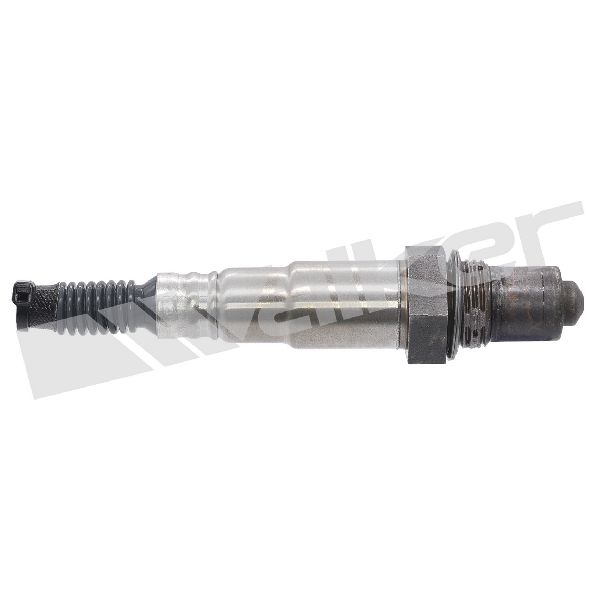
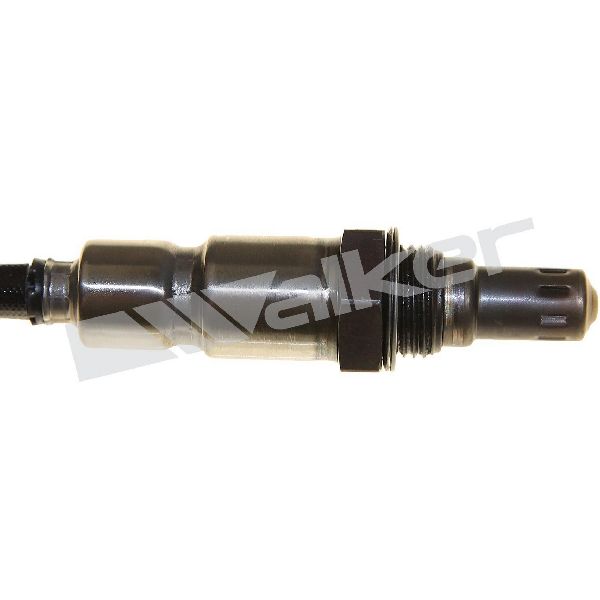
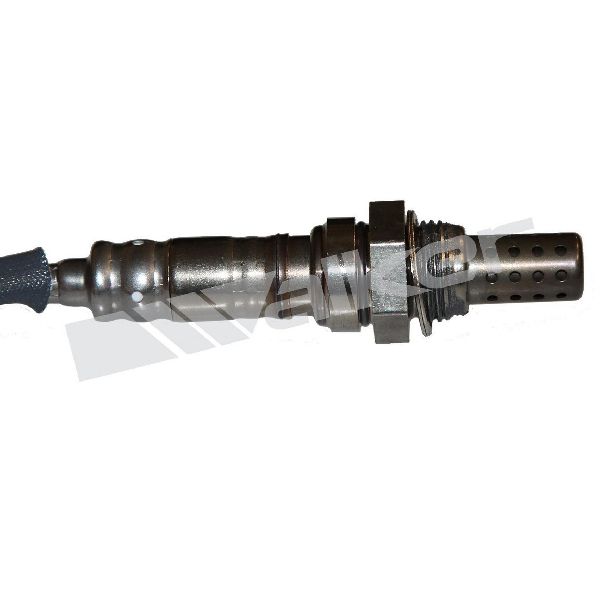
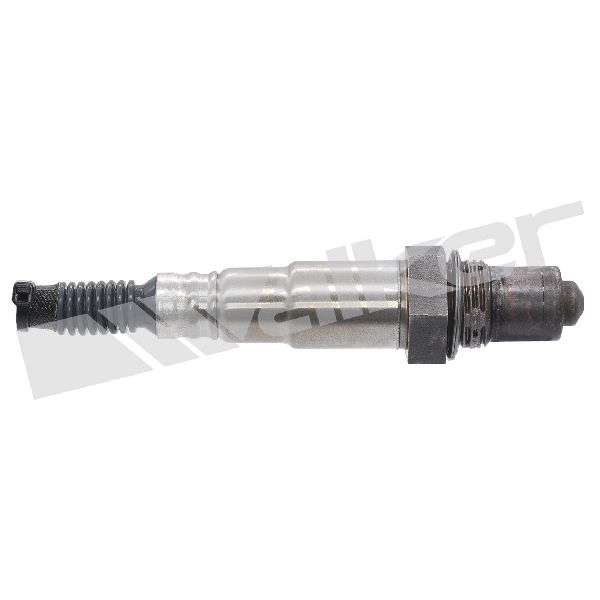
- Standard Aftermarket (Walker Products, DriveWire): Brands like Walker Products offer a more budget-friendly option. While they are designed to meet OE specifications, some user reviews are mixed regarding long-term durability compared to premium brands. They can be a good choice if budget is the primary concern, but for critical upstream sensors, a premium brand is often recommended.
Direct-Fit vs. Universal Sensors
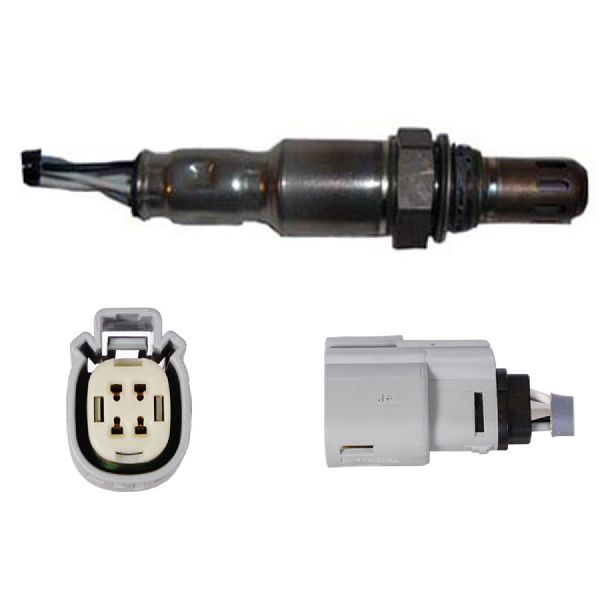
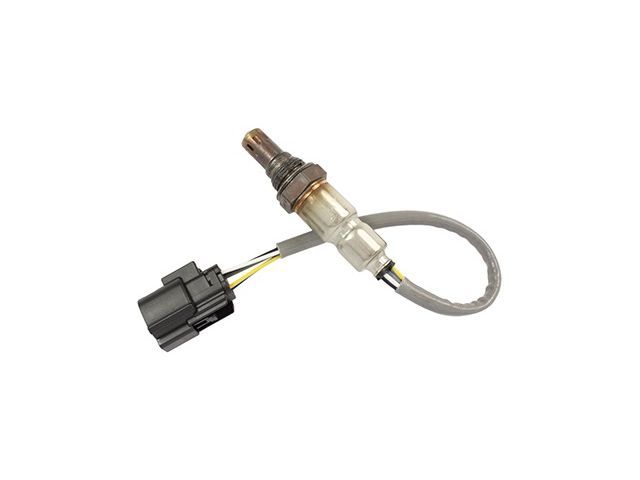
Always choose a "Direct-Fit" sensor. These come with the correct-length wire and factory-style electrical connector for a simple plug-and-play installation. Universal sensors require you to cut and splice wires, which can lead to connection problems down the road. The small amount of money saved is not worth the potential headache.
Estimated Costs for Oxygen Sensor Replacement
| Part Type | Estimated Cost |
|---|---|
| New OEM (Motorcraft) | $80 - $250 |
| New Aftermarket (Premium) | $50 - $150 |
| New Aftermarket (Standard) | $38 - $90 |
| Shop Labor | $100 - $200 |
Note: Costs are estimates and can vary based on your specific Mustang model (EcoBoost, GT, etc.), sensor location, and local labor rates.
Frequently Asked Questions

How many oxygen sensors does my 2015-2024 Mustang have?
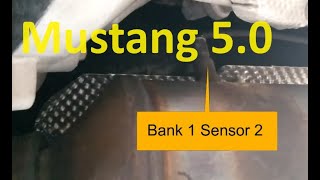
Most modern Mustangs, including the 2015-2024 models, have four oxygen sensors: two upstream (one for each cylinder bank) and two downstream (one for each cylinder bank). 🎬 See exactly where the sensors are located on your 5.0. Four-cylinder EcoBoost models will have two sensors: one upstream and one downstream.
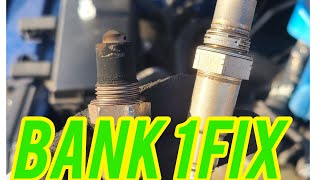
🎬 Check out this quick fix for Mustang EcoBoost sensor issues.Can I replace just one oxygen sensor?
Yes. You only need to replace the sensor that has failed. However, O2 sensors tend to have a similar lifespan. If one has failed due to high mileage, the others may not be far behind. Some mechanics recommend replacing them in pairs (e.g., both upstream sensors) to ensure balanced readings.
Do I need a special tool to replace an O2 sensor?
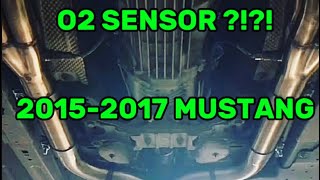
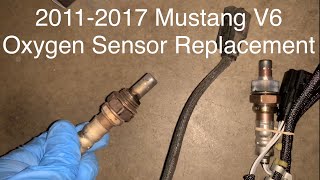
A special O2 sensor socket is highly recommended. It has a slot on the side to accommodate the sensor's wire. While you might be able to use a 22mm or 7/8" wrench, the tight spaces in the exhaust system often make the special socket necessary for an easier job. 🎬 Watch this step-by-step O2 sensor replacement on a Mustang GT. Soaking the old sensor with penetrating oil before removal can also help.
Are there any recalls for Mustang oxygen sensors?
As of early 2026, there are no specific, widespread recalls or Technical Service Bulletins (TSBs) from Ford or the NHTSA for oxygen sensor failures on the 2015-2024 Ford Mustang.
Helpful Videos
Technical Specifications
OEM Part Numbers: DY1308 DY1346 DY1438 DY1440 FR3Z-9F472-B
Your Mustang uses heated, 4 or 5-wire oxygen sensors. Upstream sensors are often wide-band for more precise measurement, while downstream are typically narrow-band. Always verify the specific part number for your engine (EcoBoost 2.3L, GT 5.0L, etc.) and sensor location (Bank 1/2, Sensor 1/2).
We Have This Part in Stock

The information in this article is provided for general reference and educational purposes only. Vehicle specifications, procedures, and part compatibility can vary by production date, trim level, and region. Always consult your vehicle's factory service manual and verify part numbers before purchasing or performing repairs. Safety-critical components such as airbags, seat belts, and braking systems should be installed by a qualified professional.
- Ford Mustang:
- 🎬 Helpful Videos
- 🛍️ Shop This Part
- Is Your Mustang's Oxygen Sensor Failing?
- Key Failure Symptoms:
- Upstream vs. Downstream Sensors
- Choosing the Right Aftermarket Oxygen Sensor
- Brand Quality Tiers:
- Direct-Fit vs. Universal Sensors
- Estimated Costs for Oxygen Sensor Replacement
- Frequently Asked Questions
- 🎟️ Get 5% Off