

Ford Transit-250 Spark Plug Guide for 2015-2024 Models
Keep your workhorse running smoothly by understanding when and why to replace your spark plugs.
- For 3.5L EcoBoost engines, change plugs every 40k-60k miles to prevent shuddering and misfires.
- Top aftermarket brands like NGK and Denso (Iridium) are highly recommended for performance and longevity.
- Replacement is complex due to the intake manifold covering the rear spark plugs, increasing labor time and cost.
- Check for water intrusion in the spark plug wells, a known issue that causes corrosion and misfires.
Symptoms of Failing Spark Plugs in Your Transit-250

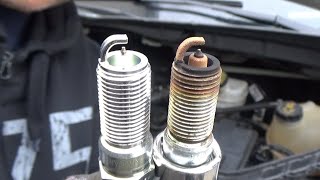
When spark plugs wear out, they can cause noticeable problems. A common issue, especially in the 3.5L EcoBoost engine, is a shudder or hesitation during acceleration. This happens because the worn plug fails to ignite the fuel mixture properly, leading to a misfire. Other signs include:
- Rough Idling: Your van may shake or sputter when stopped at a light.
- Reduced Power and Fuel Economy: You'll notice the van feels sluggish and you're visiting the gas station more often.
- Check Engine Light: A failing spark plug can trigger a misfire code (like P0300-P0306), illuminating the check engine light.
- Difficulty Starting: Worn plugs can make it harder for the engine to turn over, especially in cold weather.
Known Issue: Water Intrusion & EcoBoost Shudder
For Transit models, particularly those with the 3.5L EcoBoost, water from the rain tray can seep into the spark plug wells. This causes corrosion on the ignition coils and spark plugs, leading to misfires. Some owners apply silicone around the new coils to help seal them. Additionally, the EcoBoost engine is known for a 'shudder' under acceleration, often caused by fouled spark plugs due to oil or condensation from the intercooler system. Owners often find that replacing plugs more frequently than the official recommendation resolves this.
Choosing the Right Aftermarket Spark Plugs

You don't have to buy OEM parts. Many aftermarket brands offer excellent quality, often from the same companies that make the original parts for Ford. The key is choosing the right material and brand for your engine.
Brand & Material Tiers
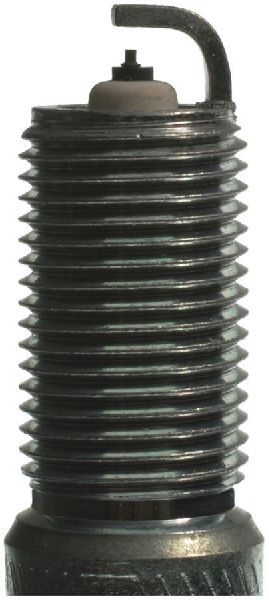
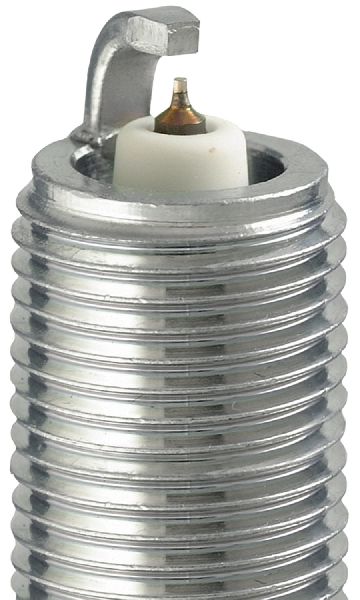
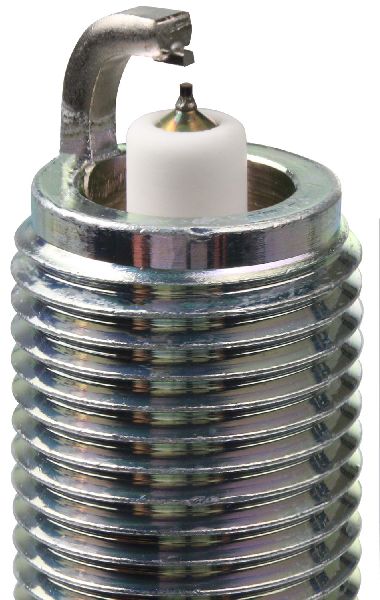
- Top Tier (Iridium/Ruthenium): Brands like NGK and Denso are highly regarded, especially for the demanding EcoBoost engine. NGK Ruthenium and Iridium IX plugs are often recommended for their durability and performance under high heat and pressure. These plugs have a longer lifespan, often lasting 60,000 miles or more.
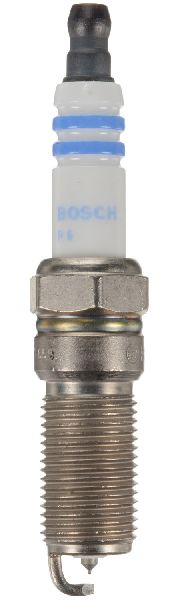
- Mid-Tier (Double Platinum): Brands like Bosch and Autolite offer quality double platinum plugs. Autolite is known to be a good replacement for the original Motorcraft plugs and performs well in Ford applications. These are a solid, reliable choice for both the 3.7L and 3.5L engines.
- Standard (Platinum/Copper): Brands like Champion offer economical options. While copper plugs conduct well, they have the shortest lifespan and are best for older, less demanding applications. For a modern work vehicle like the Transit, Iridium or Platinum is the recommended choice for longevity and performance.
Pro Tip: For the 3.5L EcoBoost engine, many owners and mechanics recommend changing spark plugs more frequently than Ford's 100,000-mile suggestion—often between 40,000 and 60,000 miles—to maintain peak performance and avoid misfires. Always check that new plugs are gapped correctly for your specific engine before installation.
| Item | Price Range |
|---|---|
| New Aftermarket Spark Plugs (per set of 6) | $35 - $150 |
| New OEM (Motorcraft) Spark Plugs (per set of 6) | $60 - $180 |
| Shop Labor for Replacement | $200 - $450 |
Frequently Asked Questions (FAQ)
How often should I change the spark plugs on my Ford Transit?
While the official interval can be up to 100,000 miles, real-world use, especially in the EcoBoost models, suggests a shorter interval. For optimal performance and to prevent issues, consider replacing them every 40,000 to 60,000 miles. If you do a lot of idling or heavy towing, even shorter intervals may be beneficial.
Is it difficult to change the spark plugs myself?
For the DIY mechanic, it's a feasible job, but it has challenges. The front three plugs (Bank 2) are usually easy to access. However, the rear three plugs (Bank 1) are under the intake manifold, which must be partially or fully removed to gain access. This adds significant time and complexity to the job. If you're not comfortable with this, it's best to leave it to a professional.
Should I replace the ignition coils with the spark plugs?
It's not always necessary, but it is a good preventative measure, especially on higher-mileage vehicles (around 100,000 miles). The ignition coils have a similar life expectancy to the plugs. Since you have to remove the coils to get to the plugs anyway, replacing them at the same time can save on future labor and prevent a separate failure down the road.
Do I need special tools to change my Transit's spark plugs?
You will need a standard socket set (8mm and 10mm are common), a torque wrench, socket extensions, and a special 5/8" spark plug socket with a rubber insert to hold the plug. It's crucial to use a torque wrench to tighten the new plugs to the correct specification to avoid damaging the engine's cylinder head. Do not use power tools for removal or installation.
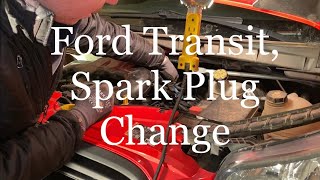
Helpful Videos
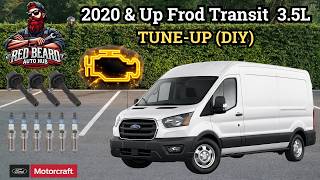
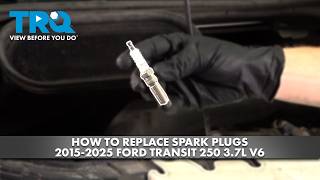
Technical Specifications
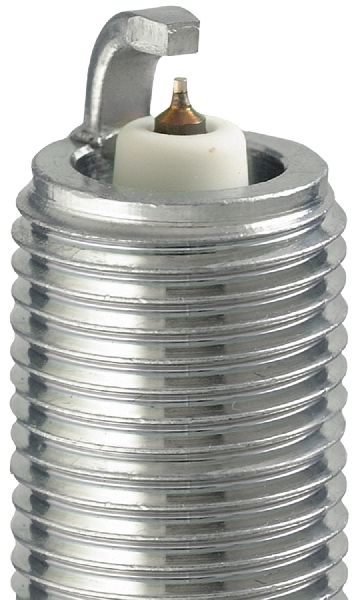
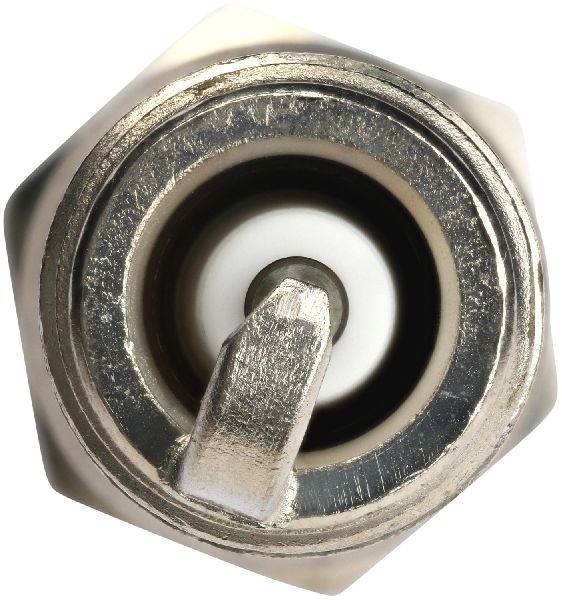
OEM Part Numbers: SP-580 SP-534 CYFS12YT4X SP-520
The 2015-2024 Ford Transit-250 uses V6 engines (3.5L EcoBoost, 3.7L Ti-VCT, 3.5L PFDi). Most aftermarket replacements are Iridium or Platinum. The 3.5L EcoBoost in particular benefits from high-quality iridium plugs. Common gap size is around 0.027-0.035 inches, but always verify for your specific engine and plug.
We Have This Part in Stock

The information in this article is provided for general reference and educational purposes only. Vehicle specifications, procedures, and part compatibility can vary by production date, trim level, and region. Always consult your vehicle's factory service manual and verify part numbers before purchasing or performing repairs. Safety-critical components such as airbags, seat belts, and braking systems should be installed by a qualified professional.
- Ford Transit-250: