

A Ford Transit Owner's Guide to Serpentine Belt Replacement (2015-2024)
Don't let a squealing belt leave your work van stranded on the side of the road.
- Inspect your belt at every oil change for cracks and wear; plan to replace it between 50,000 and 100,000 miles.
- A squealing noise is the earliest and most common warning sign that your belt or tensioner is failing.
- For maximum reliability, always replace the belt tensioner and idler pulleys at the same time as the serpentine belt.
- Ford Transits have many engine and option variations; use your VIN to confirm you are buying the correct length belt for your specific van.
Symptoms of a Failing Ford Transit Serpentine Belt

A serpentine belt will almost always give you a warning before it fails completely. Being aware of these signs can save you from a sudden breakdown and a call for a tow truck. Here’s what to look and listen for:
- Squealing or Chirping Noises: This is the most common sign of a problem. A high-pitched squeal or chirp, especially when you start the engine, accelerate, or turn on the A/C, usually means the belt is slipping because it's worn out or the tensioner is weak.
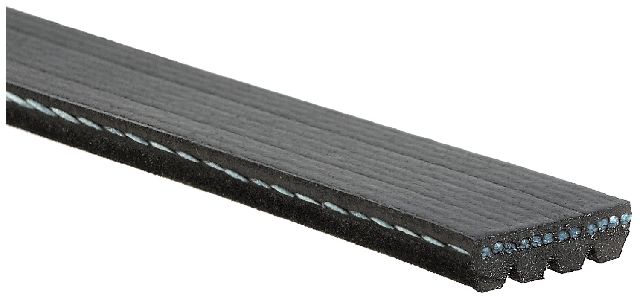
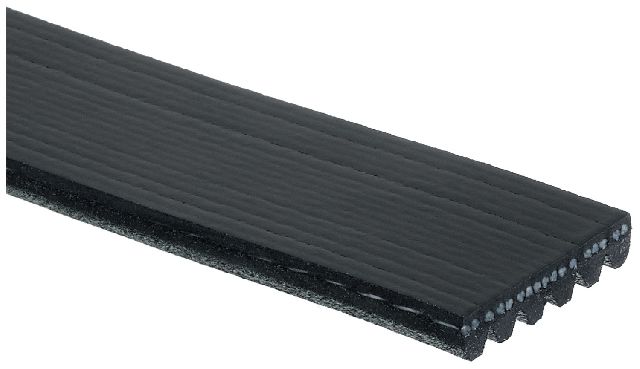
- Visible Damage: Pop the hood and look at the belt. If you see any cracks, frayed edges, missing ribs, or a shiny, glazed surface, the belt is old and needs to be replaced.
- Accessory Problems: If your battery warning light comes on, your headlights seem dim, the A/C stops blowing cold, or the power steering feels heavy, the belt may be slipping and unable to properly power those components.
- Engine Overheating: The serpentine belt drives the water pump. If the belt slips or breaks, the water pump stops circulating coolant, and your engine can overheat very quickly, leading to severe and expensive damage.
Choosing the Right Aftermarket Belt for Your Transit

The original Ford belt is a brand called Motorcraft. While it's a quality part, you can get the same or better quality from top-tier aftermarket brands without paying dealership prices. For a work vehicle like the Transit, reliability is key.
- Top-Tier Aftermarket (Gates, Continental): Both Gates and Continental are excellent, well-respected brands that often supply the original parts for many car manufacturers. They use modern EPDM rubber compounds that resist heat, cracking, and wear. You can trust either of these brands for long life and quiet operation in your Transit.
Pro Tip: Replace the Tensioner and Pulleys with the Belt
A noisy belt is often blamed when the real problem is a weak belt tensioner or a worn-out idler pulley. These parts have bearings that wear out over time, typically between 90,000 and 100,000 miles. A seized pulley can shred a brand-new belt instantly, leaving you stranded. Since you already have to access these parts to change the belt, it is highly recommended to replace the belt, tensioner, and any idler pulleys as a kit.
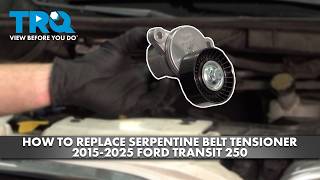
🎬 See how to replace the belt tensioner on a 3.7L engine.Common Ordering Mistakes to Avoid

The Ford Transit has been offered with several different engines (3.2L Diesel, 3.5L EcoBoost, 3.7L V6) and options like dual alternators. These different configurations use different length serpentine belts. Always verify your van's specific engine and options before ordering to ensure you get the correct part. Using your vehicle's VIN is the most accurate way to confirm fitment.
Cost to Replace a Ford Transit Serpentine Belt
| Part/Service | Estimated Cost |
|---|---|
| New Aftermarket Belt | $18.88 - $41.61 |
| New OEM (Motorcraft) Belt | $75 - $110 |
| Shop Labor | $81 - $118 |
| Total Professional Replacement (Aftermarket Part) | $100 - $160 |
Cost estimates are for the belt only and do not include the highly recommended tensioner and idler pulleys. Prices can vary based on location and your specific Transit model.
Frequently Asked Questions

When should I replace my Transit's serpentine belt?
Most belts last between 50,000 and 100,000 miles. However, because the Transit is often a work vehicle under high stress, it's best to inspect the belt for cracks or fraying at every oil change and replace it if it shows any signs of wear, regardless of mileage.
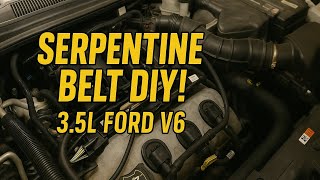
Is this a difficult DIY job for a Ford Transit? 🎬 Watch this step-by-step guide to fixing a squealing belt yourself.
For a person with mechanical experience, it is a manageable DIY job, but it can be challenging. Access in the engine bay is tight, and you may need to remove the air intake hose to get enough room to work. You will need a specific belt tensioner tool or a long-handled ratchet to release the tension on the belt. Following the correct belt routing diagram is critical.
Are there any recalls for the Ford Transit serpentine belt?
As of early 2026, there are no widespread safety recalls specifically for the serpentine belt on the 2015-2024 Ford Transit models. It is always a good practice to check the NHTSA website with your van's VIN for any open recalls on other components.
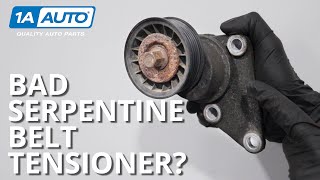
Why is my new serpentine belt squeaking? 🎬 Learn how to diagnose a loose or stuck belt tensioner.
If a brand-new belt is squeaking, the most common cause is a weak tensioner that isn't applying enough pressure to keep the belt tight. Other causes could be misaligned pulleys or contamination from fluids like oil or coolant on the belt or pulleys.
Helpful Videos

Technical Specifications
OEM Part Numbers: DK4Z-8620-B DK4Z-8620-A
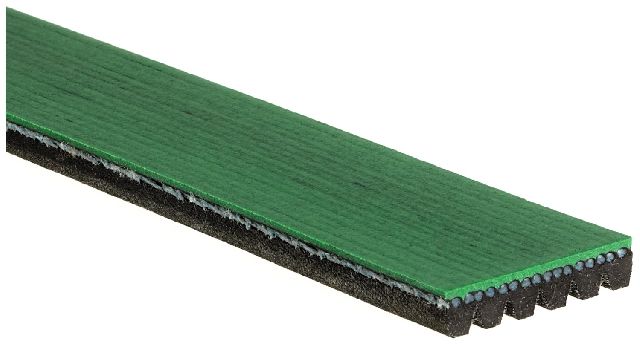
The correct serpentine belt varies by engine (3.2L Diesel, 3.5L EcoBoost, 3.7L V6) and options (e.g., single or dual alternators). Most modern belts are made from durable EPDM rubber. Part numbers are for reference only; confirm fitment with your VIN.
We Have This Part in Stock

The information in this article is provided for general reference and educational purposes only. Vehicle specifications, procedures, and part compatibility can vary by production date, trim level, and region. Always consult your vehicle's factory service manual and verify part numbers before purchasing or performing repairs. Safety-critical components such as airbags, seat belts, and braking systems should be installed by a qualified professional.
- Ford Transit:
- 🎬 Helpful Videos
- 🛍️ Shop This Part
- Symptoms of a Failing Ford Transit Serpentine Belt
- Choosing the Right Aftermarket Belt for Your Transit
- Pro Tip: Replace the Tensioner and Pulleys with the Belt
- Common Ordering Mistakes to Avoid
- Cost to Replace a Ford Transit Serpentine Belt
- Frequently Asked Questions
- 🎟️ Get 5% Off