

A Guide to the Engine Crankshaft Position Sensor for the 2015-2024 Hyundai Sonata
If your Sonata is stalling, running rough, or won't start, the crankshaft position sensor is a likely culprit.
- A failing crankshaft sensor is a serious safety issue that can cause your Sonata to stall in traffic; address symptoms immediately.
- The most common symptoms are a check engine light (code P0335), engine stalling, rough idle, and a no-start condition.
- For best results, choose an OEM-supplier brand like Mando or a reputable aftermarket brand like Delphi, NGK, or Standard Motor Products.
- Replacement is a manageable DIY job for many owners, typically taking about an hour with basic tools.
Is Your Sonata Stalling? It Could Be the Crankshaft Sensor

A failing crankshaft position sensor is a common issue on many vehicles, including the 2015-2024 Hyundai Sonata. This sensor provides vital information to the engine's computer. When it starts to fail, it can cause problems that range from annoying to dangerous. The most serious issue is sudden engine stalling while driving, which can be a major safety hazard. Because of this risk, it's a problem you should address as soon as symptoms appear.
Symptoms of a Failing Crankshaft Position Sensor

A bad crankshaft sensor can make itself known in several ways. Often, the first sign is the check engine light coming on. You might also notice the engine is hard to start, or it cranks but won't turn over at all. One of the most common and dangerous symptoms is the engine stalling unexpectedly, sometimes after it has warmed up. Other signs include a rough idle, engine misfires, poor acceleration, and a noticeable drop in fuel economy.
Known Issues & Recalls
While there are no specific recalls for the crankshaft position sensor itself on the 2015-2024 Sonata, Hyundai has issued numerous engine-related recalls and TSBs for this generation. For example, NHTSA campaign 198 addressed premature connecting rod bearing wear which could cause stalling and engine damage. Sometimes, symptoms of a failing crankshaft sensor can overlap with these more serious engine issues. It's crucial to properly diagnose the problem. A common trouble code for a faulty sensor is P0335 (Crankshaft Position Sensor "A" Circuit Malfunction).
Choosing the Right Aftermarket Sensor

When replacing this sensor, you have a choice between dealership OEM parts and a wide range of aftermarket options. For a critical sensor like this, quality matters.
OEM vs. Aftermarket: The original part from a Hyundai dealer is a proven component, but it's also the most expensive. High-quality aftermarket parts can offer the same performance and reliability for less money. However, some owners have reported that using very cheap, unproven sensors can lead to them failing quickly or not working at all right out of the box.
Brand Tiers for Your Sonata:
- OEM Supplier (Best Choice): Mando is a known original equipment (OE) manufacturer for Hyundai. Choosing a Mando sensor means you are getting the same part the factory installed, just in a different box. This is often the safest bet for reliability.
- Top-Tier Aftermarket: Brands like Delphi, NGK (also known as NTK), and Standard Motor Products (SMP) have a strong reputation for producing reliable electronic components that meet or exceed OEM specifications. Beck Arnley is another trusted name that sources parts from various quality manufacturers.
- Reputable Value Brands: Dorman, Walker Products, and Spectra offer more budget-friendly options. While they can be a good value, for a sensor this critical to engine operation, sticking with an OEM supplier or a top-tier brand is generally recommended to avoid having to do the job twice.
Common Ordering Mistake
The 2015-2024 Sonata was available with different engines (e.g., 1.6L Turbo, 2.0L Turbo, 2.4L, 2.5L). The crankshaft position sensor can be different depending on the engine. Always verify that the part you are ordering fits your specific engine type and model year to avoid getting the wrong component.
Replacement Cost
The cost to replace the crankshaft position sensor varies by who does the work. The job is straightforward for a DIYer with basic tools.
| Part Type | Estimated Part Cost |
|---|---|
| New OEM (Dealer) | $112 - $220 |
| New Aftermarket | $24 - $161 |
| Shop Labor | $77 - $140 |
Frequently Asked Questions (FAQ)

Can I replace the crankshaft sensor myself?
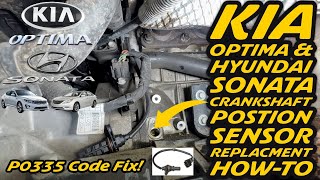
Yes, this is a DIY-friendly job for most people. 🎬 See this step-by-step walkthrough for replacing the sensor yourself. The sensor is typically held in by a single 10mm bolt and has one electrical connector. The main challenge is accessing it, as it's located on the lower part of the engine block. Removing the front passenger-side wheel and fender liner can make access much easier.
Where is the crankshaft sensor located on my Sonata?
On most 2.4L and 2.0L Turbo engines in this generation, the sensor is located on the front of the engine block, near the transmission bell housing and crankshaft pulley. It can be difficult to see from above, which is why accessing it from the wheel well is recommended.
What happens if I don't replace a failing sensor?
Ignoring a bad crankshaft sensor is not recommended. The engine stalling will likely become more frequent, which is a serious safety risk in traffic. It can also leave you stranded if the engine refuses to start. Continuing to drive with the issue can also lead to reduced fuel economy and potentially damage other components like the catalytic converter due to engine misfires.
What is the most common trouble code for this sensor?
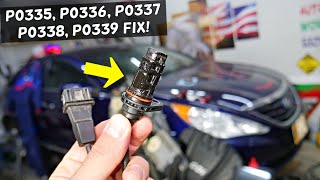
The most common diagnostic trouble code (DTC) associated with a failing crankshaft position sensor is P0335, which means "Crankshaft Position Sensor 'A' Circuit Malfunction." This code is set when the engine's computer loses the signal from the sensor.
🎬 Watch: How to diagnose check engine codes P0335 through P0339.Helpful Videos
Technical Specifications
OEM Part Numbers: 391802M612 39180-2G000 39180-25300
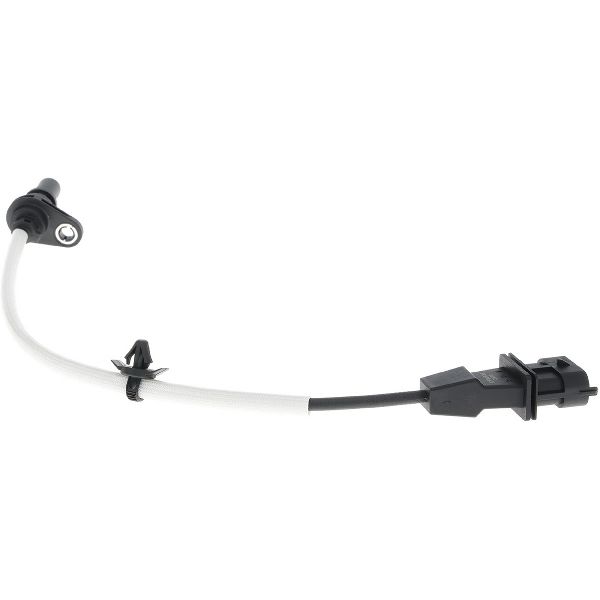
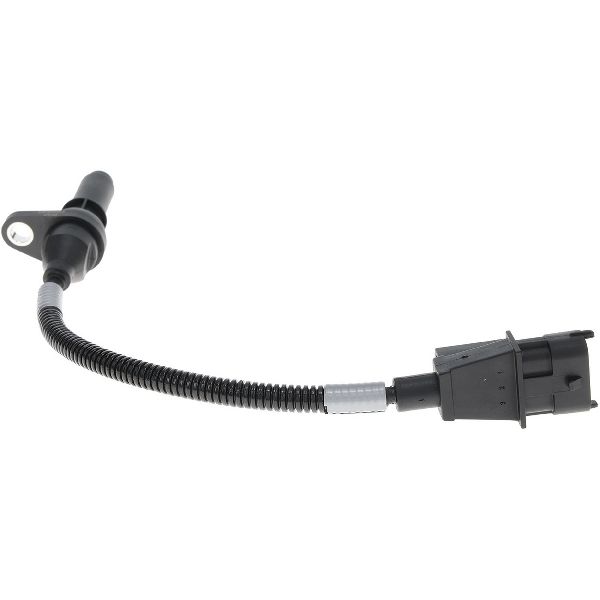
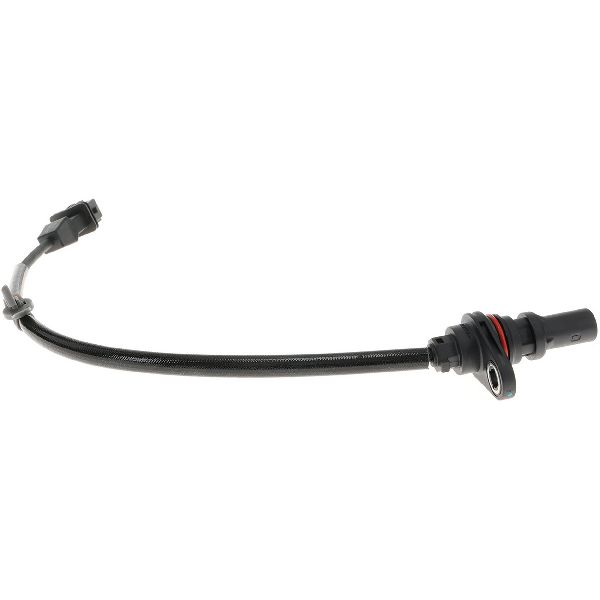
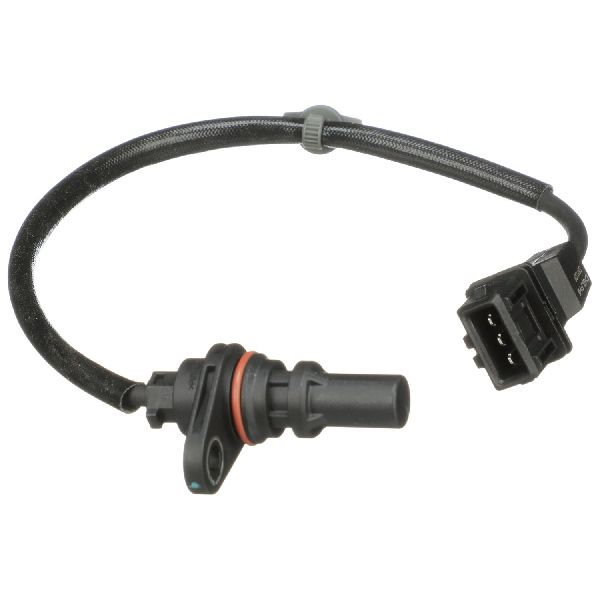
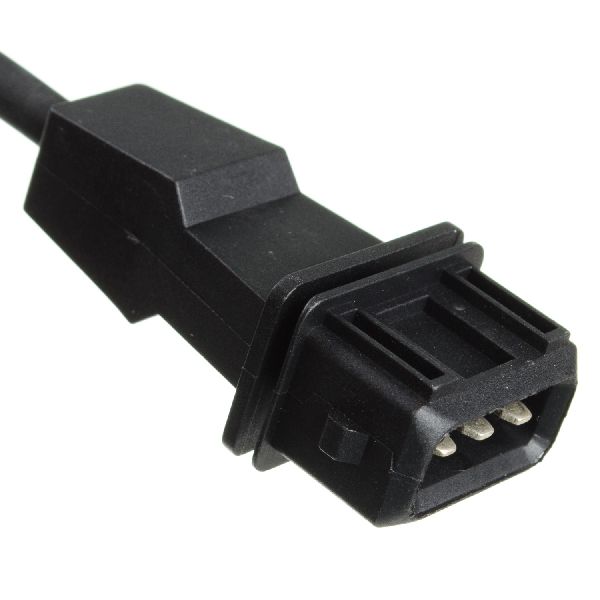
The sensor is typically a 3-pin Hall effect sensor that reads a reluctor wheel on the crankshaft to determine its speed and position. It is usually secured by a single 10mm bolt.
We Have This Part in Stock


The information in this article is provided for general reference and educational purposes only. Vehicle specifications, procedures, and part compatibility can vary by production date, trim level, and region. Always consult your vehicle's factory service manual and verify part numbers before purchasing or performing repairs. Safety-critical components such as airbags, seat belts, and braking systems should be installed by a qualified professional.
- Hyundai Sonata: