

Lincoln Navigator (2015-2024) Fuel Pressure Sensor: A Complete Guide
Understanding why your Navigator may be stalling, losing power, or showing a check engine light.
- Before buying a sensor, check if your Navigator is part of the 2021-2022 fuel pump recall, as symptoms are similar.
- If you have fuel pressure codes after a recent engine repair, check for a backward fuel jumper line (SSM 50089) first.
- Common symptoms of failure include stalling, hard starts, and a loss of power, often with codes P0191 or P0087.
- For aftermarket options, Standard Ignition (SMP) is a well-regarded brand for sensor reliability.
Is Your Navigator Stalling or Losing Power?
A failing fuel pressure sensor can cause significant and frustrating engine problems. Because this sensor directly influences the air-fuel mixture, a bad reading can trick the engine's computer into providing too much or too little fuel. This can lead to a range of issues from annoying hesitations to dangerous stalling in traffic.
First: Check for Recalls & Service Bulletins
Before replacing any parts, it's critical to check for official notices from Ford/Lincoln, as they can mimic fuel pressure sensor symptoms:
- Fuel Pump Recall: Certain 2021-2022 Lincoln Navigator models were recalled for a faulty low-pressure fuel pump that can cause the engine to stall. This produces symptoms very similar to a bad sensor. Check your VIN on the NHTSA website to see if your vehicle is affected.
- Service Message (SSM 50089): Some 2017-2021 Navigators may throw fuel pressure codes (P0087/P0088) after engine or injector work. This is often due to a fuel jumper line being installed backward, not a faulty sensor. If you've had recent repairs, this should be the first thing you or your mechanic checks.
Common Symptoms of a Failing Fuel Pressure Sensor
When the fuel pressure sensor begins to fail, you may experience one or more of the following issues:
- Check Engine Light: This is often the first sign. The system will log codes like P0191, P0087, or P0088.
- Hard Starting: The engine may crank for a long time before it finally starts, or it may not start at all.
- Engine Stalling: The engine may stall unexpectedly, either at idle or while driving.
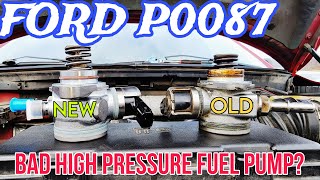
- Poor Engine Performance: You may notice hesitation during acceleration, 🎬 Watch: Troubleshooting a 3.5L engine with no power and P0087. a general loss of power, and a rough or unstable idle.
- Reduced Fuel Economy: An incorrect fuel mixture caused by a bad sensor reading can lead to your Navigator using more fuel than normal.
Choosing the Right Aftermarket Fuel Pressure Sensor
When it comes to electronic sensors, quality matters. While an OEM sensor from a Lincoln dealer is always an option, quality aftermarket parts can offer reliable performance at a better price. Here’s a breakdown of the available brand tiers.
Tier 1: Premium Aftermarket (Standard Ignition)
Standard Ignition (Standard Motor Products or SMP) is a well-regarded aftermarket manufacturer with a long history. They are known for producing quality electronic components that often meet or exceed OEM specifications. Many professional mechanics trust SMP for sensors due to their reliability and consistent performance. For a critical part like the fuel pressure sensor, Standard Ignition is a dependable choice that balances cost and quality.
Tier 2: Standard Aftermarket (Dorman, Global Parts)
Dorman is a widely known brand that produces a vast range of aftermarket parts. While they offer a cost-effective solution, their reputation for electronic sensors is mixed. Some users report success, but others experience premature failures compared to OEM or premium aftermarket brands. Global Parts falls into a similar category, offering a budget-friendly alternative, but with less widespread brand recognition for this specific component.
Pro Tip: For critical sensors on a complex engine like the 3.5L EcoBoost, spending a little more on a premium aftermarket brand like Standard Ignition can prevent the headache of a repeat repair down the road.
Cost of Replacing a Lincoln Navigator Fuel Pressure Sensor
The total cost will depend on whether you do the job yourself or have a professional mechanic do it.
| Part / Service | Estimated Cost |
|---|---|
| New OEM Part | $90 - $140 |
| New Aftermarket Part | $82 - $166 |
| Shop Labor | $150 - $300 |
| Total Professional Replacement | $232 - $466 |
Note: Labor costs are estimates and can vary based on shop rates and your location. RepairPal estimates a higher labor cost, which may include extended diagnostic time.
Frequently Asked Questions (FAQ)
Can I replace the fuel pressure sensor myself?
DIY replacement is possible for an experienced home mechanic, but it can be challenging. The sensor is often located at the back of the engine, making access difficult. Special tools, like a specific type of deep socket, may be required to fit in the tight space. You must also safely release the pressure from the fuel system before starting. If you are not comfortable working with pressurized fuel lines, this job is best left to a professional.
🎬 Watch: This walkthrough shows the sensor location and replacement process.Is it safe to drive with a bad fuel pressure sensor?
It is not recommended. The most significant risk is the engine stalling while you are driving, which can be very dangerous. Continued driving can also lead to poor performance, bad fuel economy, and potentially damage other components like the catalytic converter over time. It is best to get the vehicle serviced as soon as possible.
What's the difference between codes P0087 and P0191?
They are related but point to slightly different issues. P0087 (Fuel Rail/System Pressure - Too Low) is a generic code indicating the pressure is consistently below the required minimum. P0191 (Fuel Rail Pressure Sensor 'A' Circuit Range/Performance) is more specific to the sensor itself, indicating its signal is irrational, erratic, or doesn't match what the computer expects to see based on other engine conditions. A faulty sensor can cause a P0087 code, but P0087 can also be caused by a weak fuel pump or a leak.
🎬 See how to diagnose if the high-pressure pump is failing.Is this the same as the fuel tank pressure sensor?
No, they are different parts with different functions. The fuel *rail* pressure sensor discussed here monitors the high-pressure fuel being fed to the injectors. The fuel *tank* pressure sensor is part of the evaporative emissions (EVAP) system and monitors fuel vapor pressure inside the gas tank to detect leaks.
Helpful Videos

Technical Specifications
OEM Part Numbers: BL3Z-9F972-B BL3Z-9F972-A CM-5224 CM5250
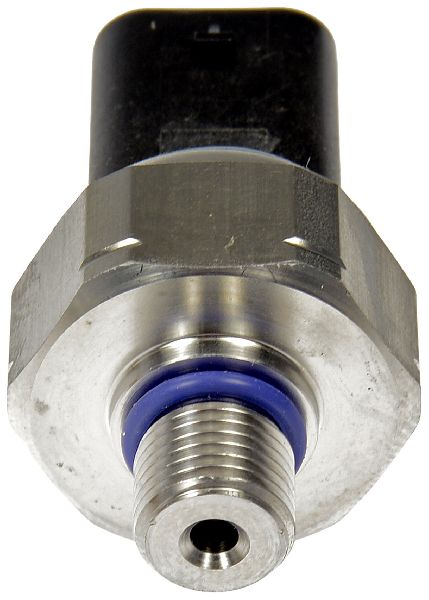
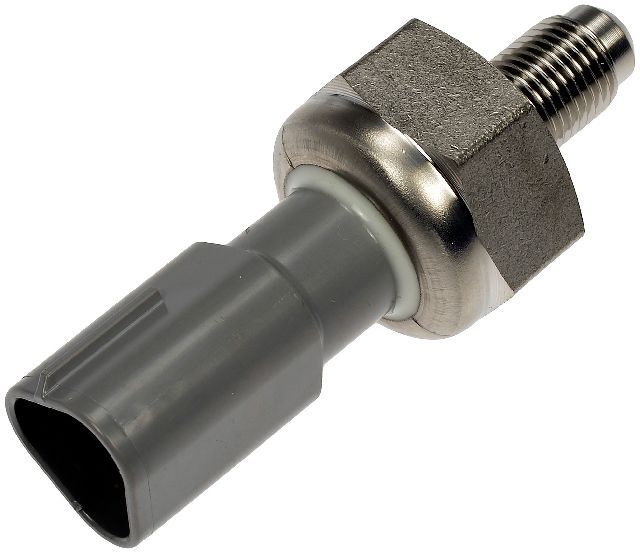
Monitors pressure in the high-pressure, direct injection fuel rail.
We Have This Part in Stock


The information in this article is provided for general reference and educational purposes only. Vehicle specifications, procedures, and part compatibility can vary by production date, trim level, and region. Always consult your vehicle's factory service manual and verify part numbers before purchasing or performing repairs. Safety-critical components such as airbags, seat belts, and braking systems should be installed by a qualified professional.
- Lincoln Navigator:
- 🎬 Helpful Videos
- 🛍️ Shop This Part
- Is Your Navigator Stalling or Losing Power?
- First: Check for Recalls & Service Bulletins
- Common Symptoms of a Failing Fuel Pressure Sensor
- Choosing the Right Aftermarket Fuel Pressure Sensor
- Tier 1: Premium Aftermarket (Standard Ignition)
- Tier 2: Standard Aftermarket (Dorman, Global Parts)
- Cost of Replacing a Lincoln Navigator Fuel Pressure Sensor
- Frequently Asked Questions (FAQ)
- 🎟️ Get 5% Off