

Mitsubishi Outlander Oxygen Sensor Guide for 2015-2024 Models
Restore your Outlander's fuel economy and performance by understanding and replacing a faulty oxygen sensor.
- A bad oxygen sensor will cause a check engine light, poor gas mileage, and a failed emissions test.
- For the critical upstream sensor, use a top-tier brand like Denso, Bosch, or NGK for best results.
- Check for a possible software update (TSB) if you have codes P0134 or P0154 before replacing parts.
- Replacing an O2 sensor is possible for a DIYer, but the old sensor can be very difficult to remove if it's rusted in place.
Understanding Your Outlander's Oxygen Sensors

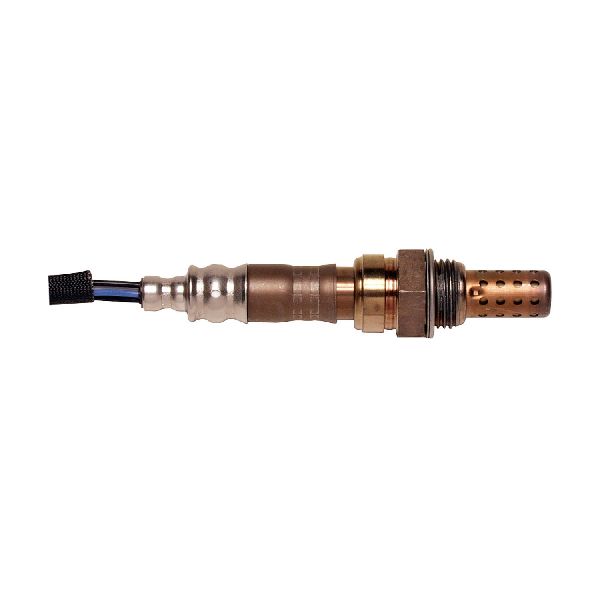
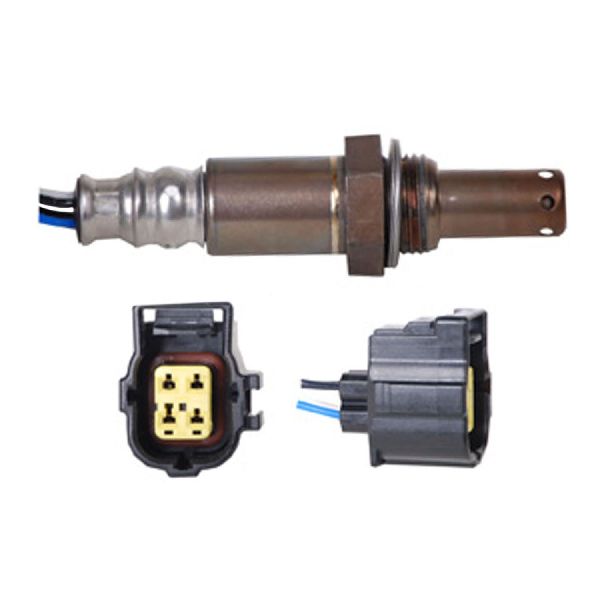
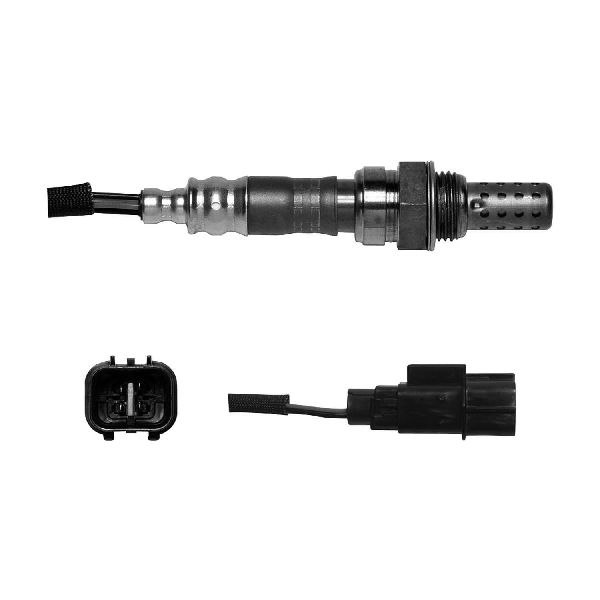
The oxygen (O2) sensors in your 2015-2024 Mitsubishi Outlander are small but vital parts of the exhaust and engine management system. They constantly check the amount of unburned oxygen in your exhaust. This information is sent to the engine computer, which adjusts the fuel mixture for optimal performance and minimal emissions. When a sensor fails, it can lead to noticeable problems and will cause your vehicle to fail an emissions test.
Symptoms of a Failing Oxygen Sensor

A bad O2 sensor can't send the right signals to your engine's computer. Look out for these common signs:
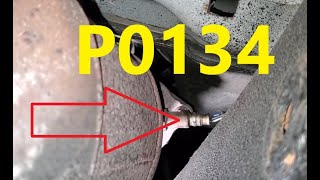
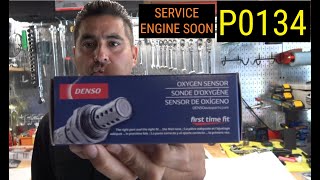
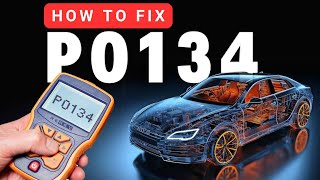
🎬 Watch: 6 common symptoms of a failing oxygen sensor- Check Engine Light: This is the most common indicator. A scanner will often show codes between P0130 and P0161. A specific code, P0134, indicates no activity from the sensor. 🎬 See how to diagnose and fix a P0134 trouble code
- Worse Gas Mileage: The engine may run too rich (too much fuel), causing you to visit the gas station more often.
- Rough Idle and Poor Performance: You might notice your engine idling unevenly, hesitating during acceleration, or feeling sluggish.
- Rotten Egg Smell: A strong smell of sulfur from the exhaust can mean excess fuel is being burned due to a bad sensor reading.
Known Issue: Software Update for P0134/P0154 Codes
For some Outlander models, a Check Engine Light with codes P0134 or P0154 may not be a bad sensor. Mitsubishi has noted that a powertrain control module (PCM) software update might be required to fix a false reading. Before replacing the sensor, it's worth checking if your vehicle needs this update.
Choosing the Right Aftermarket Oxygen Sensor

When replacing an O2 sensor, you have options. Not all aftermarket brands are created equal, and for a critical part like an upstream sensor, quality matters.
Tier 1: OEM-Quality Brands (Bosch, Denso, NGK)
These brands are often the original equipment manufacturers (OEM) for many car companies. Denso and NGK (under the NTK brand) are well-regarded suppliers for Japanese vehicles like Mitsubishi. Choosing one of these brands gives you the highest confidence in fit, connector style, and performance that meets or exceeds factory specifications. They are the best choice for the more critical upstream (Air/Fuel Ratio) sensor.
Tier 2: Quality Aftermarket Brands (Walker Products, Spectra)
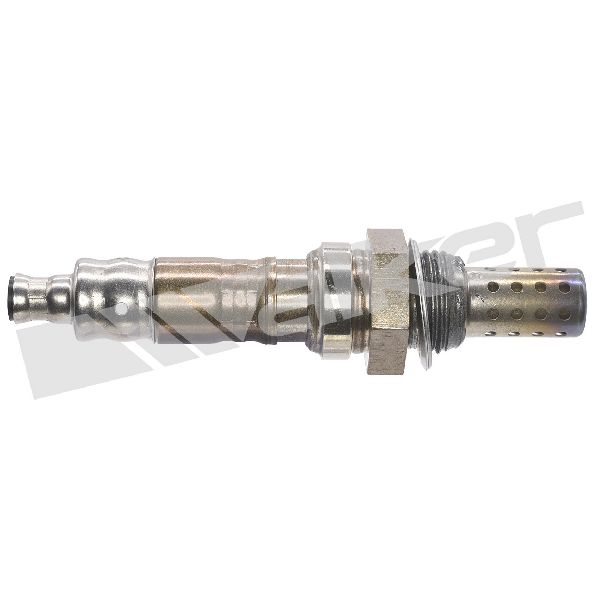
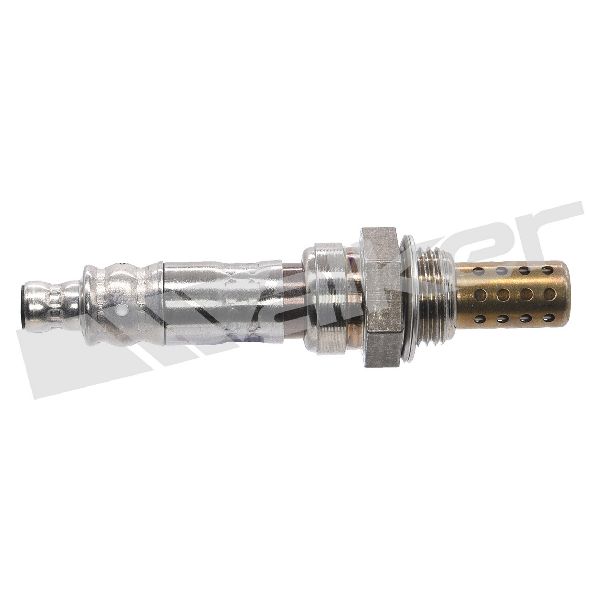
Brands like Walker and Spectra offer a good balance of quality and price. They are established names in the aftermarket and produce reliable sensors that are a solid choice for downstream (rear) sensor replacement or for owners on a tighter budget.
Tier 3: Economy Brands (DriveWire, Facet)
These brands provide the most budget-friendly options. While they can get the job done and clear a check engine light, their longevity and performance might not match the higher-tiered brands. They are best suited for older, higher-mileage vehicles or as a temporary fix.
Pro Tip: Always use a high-quality brand like Denso or NGK for the upstream (front) sensor. The engine computer relies heavily on this sensor for fuel control. You can often use a more budget-friendly brand for the downstream (rear) sensor, as its main job is just to monitor the catalytic converter.
Estimated Replacement Costs
The cost depends on the sensor's position (upstream is often more expensive) and the brand you choose. Labor at a repair shop is typically around one hour per sensor.
| Item | Estimated Cost |
|---|---|
| New Aftermarket O2 Sensor | $25 - $360 |
| Shop Labor | $100 - $180 per sensor |
| Total Professional Replacement | $125 - $540 per sensor |
Frequently Asked Questions (FAQ)

How many oxygen sensors does my 2015-2024 Outlander have?
Your Outlander will have at least two sensors: one upstream (before the catalytic converter) and one downstream (after the converter). Models with the V6 engine may have four sensors—two upstream and two downstream, one for each cylinder bank.
What is the difference between an upstream and a downstream sensor?
The upstream sensor (also called an Air/Fuel Ratio sensor) is the most important one for engine performance. It provides fast, precise readings to control the fuel mixture. The downstream sensor's job is to check if the catalytic converter is working correctly.
Can I replace an oxygen sensor myself?
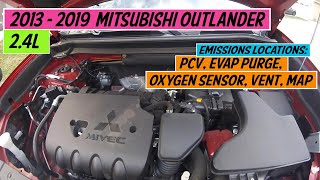
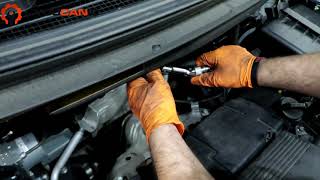
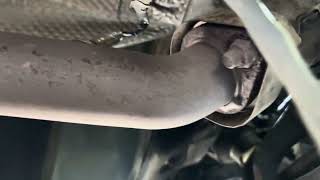
Yes, this is a DIY-feasible job for many people. You will need a special oxygen sensor socket to fit over the wire. The biggest challenge is often that the old sensor can be seized or rusted into the exhaust pipe and may be difficult to remove. The upstream sensor on the 2.4L engine is typically accessible from the top of the engine bay, while the downstream sensor requires getting under the vehicle.
🎬 Watch this step-by-step guide to replacing your Outlander's sensorWhy is my Check Engine Light still on after replacing the sensor?
The trouble code needs to be cleared from the engine's computer using an OBD-II scanner. In some cases, the computer will turn the light off on its own after several driving cycles confirm the sensor is working correctly. If the light returns, there may be another issue, such as an exhaust leak or a problem with the wiring.
Helpful Videos
![Bad O2 Sensor Symptoms Downstream & Upstream [Oxygen Sensor Failure and Causes] How to fix & Replace](https://img.youtube.com/vi/b-xxdBlikSA/mqdefault.jpg)
Technical Specifications
OEM Part Numbers: 1588A228 1588A307 1588A141 1588A144 1588A183
Varies by engine (2.4L I4 or 3.0L V6) and sensor position (Upstream/Downstream, Bank 1/Bank 2). Always verify the correct part for your specific vehicle's VIN.
We Have This Part in Stock


The information in this article is provided for general reference and educational purposes only. Vehicle specifications, procedures, and part compatibility can vary by production date, trim level, and region. Always consult your vehicle's factory service manual and verify part numbers before purchasing or performing repairs. Safety-critical components such as airbags, seat belts, and braking systems should be installed by a qualified professional.
- Mitsubishi Outlander: