

Mass Air Flow Sensor Guide for the 2015-2024 Nissan Versa
Learn about common MAF sensor problems in the Nissan Versa and how to choose the right aftermarket replacement part.
- A failing MAF sensor in a 2015-2024 Versa often causes a P0101 code, rough idle, and poor acceleration.
- Before replacing the sensor, always check for simpler issues like a dirty air filter or cracks in the intake hose.
- Replacement is a very easy DIY task, requiring only a screwdriver and about 15 minutes.
- For best results, choose a Hitachi-branded aftermarket sensor, as they are the original OEM manufacturer for Nissan.
Symptoms of a Failing MAF Sensor in a Nissan Versa


A faulty Mass Air Flow sensor can cause several noticeable problems with your vehicle. Because the sensor's reading is essential for the proper air-fuel ratio, a bad sensor can make your engine run too rich (too much fuel) or too lean (not enough fuel). Common symptoms include:
- Check Engine Light: This is often the first sign. A code scanner will typically show a P0101 code, which points to a problem with the MAF sensor's performance or circuit range.
- Rough Idle: Your Versa might shake or vibrate when stopped, as the engine struggles to maintain a steady RPM.
- Hesitation and Stalling: The car may hesitate, jerk, or even stall during acceleration because the engine isn't getting the right amount of fuel.
- Poor Fuel Economy: If the sensor causes the engine to run rich, you will notice a sudden drop in your gas mileage.
- Lack of Power: The engine may feel sluggish and won't accelerate as quickly as it should.
A Note on Code P0101
While the P0101 code points to the MAF sensor, the issue isn't always the sensor itself. On many Nissans, this code can be triggered by other issues. Always check for the following before replacing the sensor:
- Dirty or Clogged Air Filter: A dirty filter can restrict airflow and cause a P0101 code. Always check the air filter first. 🎬 Watch: How to troubleshoot and service your air filter and sensors.
- Intake Air Leaks: A cracked or loose air intake hose between the MAF sensor and the engine can let unmetered air in, confusing the computer.
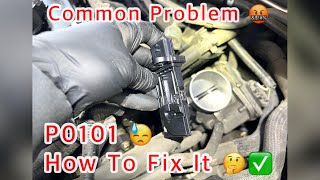
- Dirty Throttle Body: Carbon buildup on the throttle body is a common cause of the P0101 code on Nissans. 🎬 Watch: Step-by-step guide to fixing common P0101 sensor issues.
Choosing the Right Aftermarket MAF Sensor

When replacing the MAF sensor on your Versa, you have options outside of the expensive dealership part. However, quality varies. Nissan electronics can be sensitive, so choosing a reputable brand is important.
OEM vs. Aftermarket Quality
The original factory (OEM) sensor for many Nissan vehicles is made by Hitachi. This means buying a Hitachi-branded aftermarket sensor is often the same as getting the genuine OEM part, but at a lower cost. Brands like Delphi and NGK are also considered high-quality Tier 1 suppliers that produce reliable sensors. Other brands offer more budget-friendly options, but their long-term reliability might be less consistent.
- Premium Tier (OEM Equivalent): Hitachi, Delphi, NGK. These are often the most reliable choices for a direct-fit, long-lasting repair.
- Standard Tier: Spectra, Standard Ignition (SMP), Walker Products. These brands are generally considered reliable mid-range options.
- Economy Tier: DriveWire, Cardone, various private labels. These can be a cost-effective solution, but quality can be inconsistent. Some may work perfectly, while others might fail prematurely.
Pro Tip: Given that Hitachi is the original manufacturer, choosing their aftermarket sensor is the safest bet for OEM-level performance and reliability without the OEM price tag.
Estimated Costs for Replacement
The cost to replace a MAF sensor can vary significantly based on the part you choose and whether you do the work yourself.
| Item | Estimated Cost |
|---|---|
| New OEM (Dealer) Part | $220 - $357 |
| New Aftermarket Part | $56 - $453 |
| Shop Labor | $45 - $95 |
| Total Professional Replacement | $290 - $422 (with OEM part) |
Installation Guide
Replacing the MAF sensor on a 2015-2024 Nissan Versa is a very simple DIY job that takes only a few minutes.
- Locate the Sensor: Open the hood. The MAF sensor is on the air intake duct, right after the air filter housing.
- Disconnect the Electrical Connector: Press the tab on the connector and pull it straight off the sensor.
- Remove the Screws: Use a Phillips head screwdriver or a 7mm socket to remove the two screws holding the sensor in place.
- Swap the Sensor: Gently pull the old sensor straight out. Insert the new sensor, making sure the O-ring is seated properly.
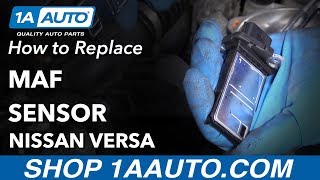
- Reassemble: Re-install the two screws (do not overtighten) and plug the electrical connector back in until it clicks. 🎬 See this walkthrough for replacing the sensor on 2012-2019 models.
Frequently Asked Questions (FAQ)
Can I just clean my old MAF sensor?
Sometimes, cleaning the sensor can solve the problem, especially if it's contaminated with oil or dirt. You must use a dedicated MAF sensor cleaner spray. Do not touch the delicate sensor wires inside. If cleaning doesn't fix the issue or the fix is temporary, a replacement is necessary.
Are there any recalls or TSBs for the Versa MAF sensor?
No recalls were found specifically for MAF sensor failure. However, Nissan has issued Technical Service Bulletins (TSBs) for older models related to the P0101 code, which sometimes involved reprogramming the vehicle's computer (ECM) rather than replacing the sensor. It's always wise to diagnose the issue properly before simply replacing parts.
Why is there such a big price difference in aftermarket sensors?
The price reflects the quality of the internal components, manufacturing standards, and the brand's reputation. Premium brands like Hitachi use higher-quality sensing elements and undergo stricter testing to match OEM performance. Economy brands may use cheaper components to keep costs down, which can lead to less accuracy or a shorter lifespan.
Do I need to reset the computer after replacing the sensor?
After replacing the sensor, the check engine light may turn off on its own after a few drive cycles. You can also clear the code immediately using an OBD-II scanner or by disconnecting the negative battery terminal for a few minutes. The engine's computer will automatically learn and adapt to the new sensor's readings.
Helpful Videos


Technical Specifications
OEM Part Numbers: 22680-5RB0A 22680-BV80B 22680-7S000 22680-7S00A
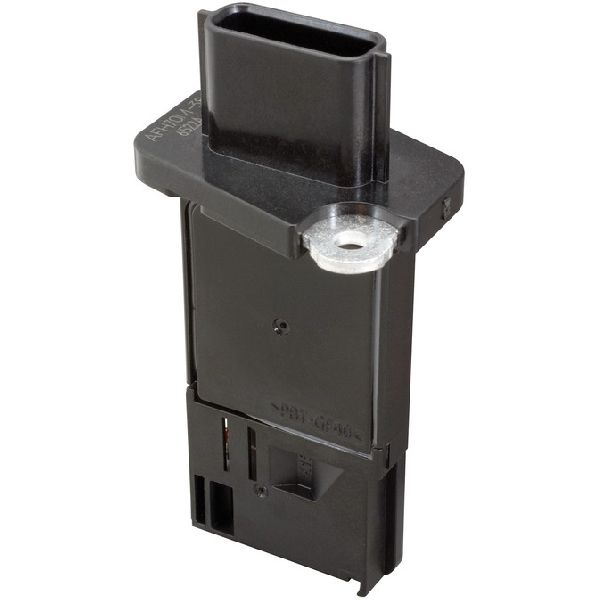
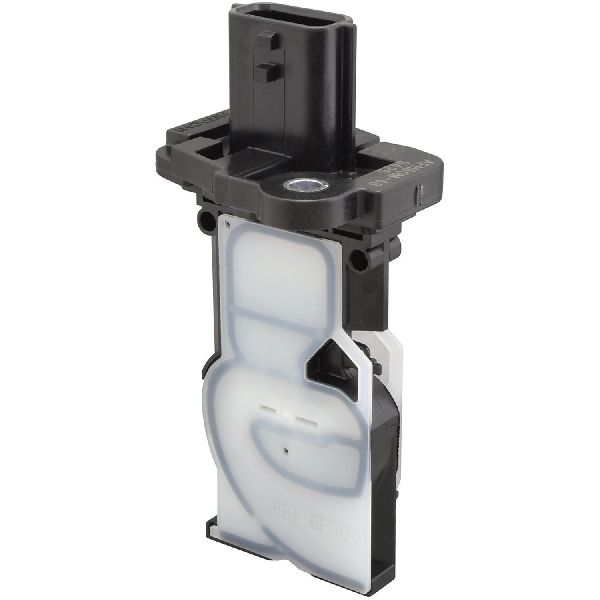
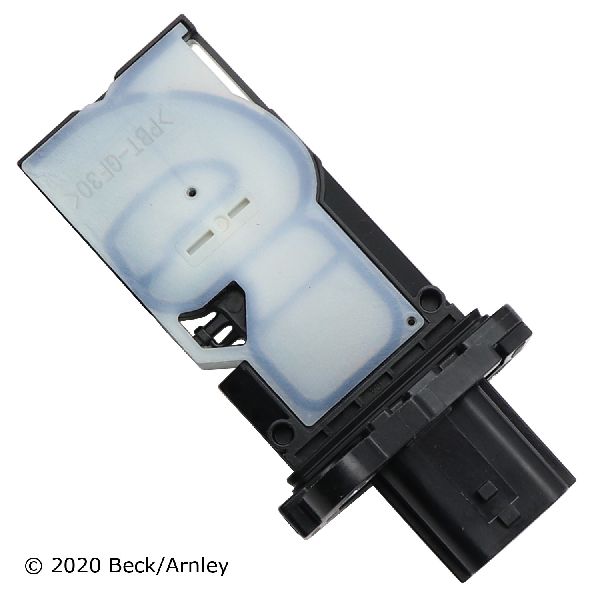
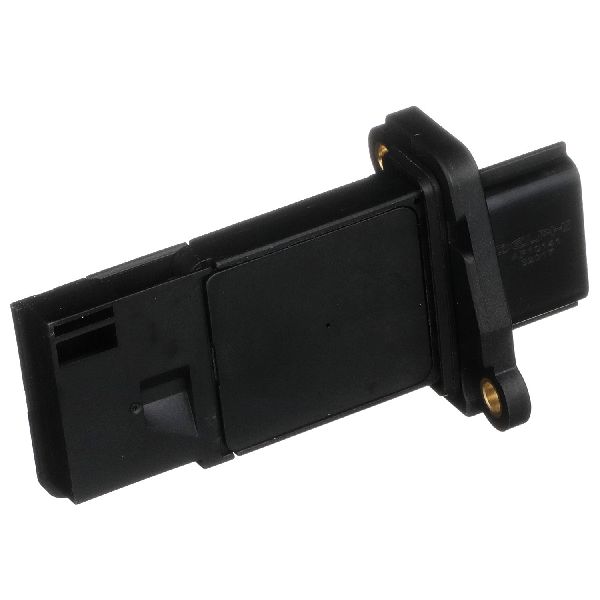
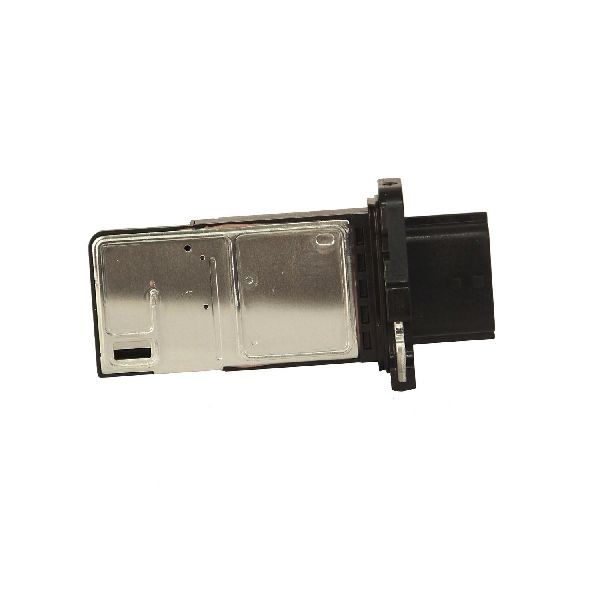
The sensor is a hot-wire type, mounted in the air intake duct with a 2-screw housing and an electrical connector. It includes an integrated O-ring for a sealed fit.
We Have This Part in Stock


The information in this article is provided for general reference and educational purposes only. Vehicle specifications, procedures, and part compatibility can vary by production date, trim level, and region. Always consult your vehicle's factory service manual and verify part numbers before purchasing or performing repairs. Safety-critical components such as airbags, seat belts, and braking systems should be installed by a qualified professional.
- Nissan Versa: