

Toyota Highlander Oxygen Sensor Guide (2015-2024)
Understanding oxygen sensor replacement for your Highlander to keep it running smoothly.
- A bad oxygen sensor will trigger the Check Engine Light and hurt your fuel economy.
- Denso is the original equipment manufacturer for Toyota; choosing Denso or NGK/NTK aftermarket parts is the most reliable option.
- Before replacing sensors for P0420 or P0430 codes, check for exhaust leaks as noted in Toyota's Tech Tip T-TT-0686-22.
- Driving with a bad O2 sensor is not recommended as it can damage your catalytic converter over time.
Understanding Oxygen Sensor Failure in Your Highlander

The oxygen sensors in your 2015-2024 Toyota Highlander are tough, but they don't last forever. They live in the hot exhaust stream and can fail from age, contamination from a coolant leak, or oil burning. When a sensor goes bad, it can't send the right signals to your engine's computer. This can lead to poor engine performance, lower gas mileage, and even damage to other expensive parts like the catalytic converter.
Symptoms of a Bad Oxygen Sensor
A failing oxygen sensor will almost always turn on your Check Engine Light. Other common signs include:
- Worse Fuel Economy: You'll notice you're filling up your gas tank more often.
- Rough Idle: The engine may run unevenly or roughly when stopped.
- Hesitation or Sluggish Acceleration: Your Highlander might feel slow or lurch when you press the gas pedal.
- Rotten Egg Smell: A strong sulfur smell from the exhaust can mean unburned fuel is overheating the catalytic converter.
A Note on Check Engine Codes P0420 and P0430
For some Highlanders, particularly from 2017-2022, Toyota issued a Technical Service Tip (T-TT-0686-22) noting that catalyst efficiency codes (P0420, P0430) and O2 sensor slow response codes (P013A00, P013C00) can sometimes be caused by tiny, hard-to-see exhaust leaks from welds or gaskets before the sensor. Before replacing a sensor or catalytic converter for these codes, it's wise to have the exhaust system thoroughly inspected for leaks.
🎬 Watch: Troubleshooting P0420 and P0430 catalyst efficiency codesChoosing the Right Aftermarket Oxygen Sensor

When replacing an oxygen sensor, you have a choice between OEM (Original Equipment Manufacturer) and aftermarket parts. For your Highlander, the original sensors are made by Denso. This makes Denso a top choice for aftermarket replacement, as it's the same part without the Toyota branding.
Brand Tiers for Toyota Highlander
- OEM-Equivalent (Best Choice): Denso and NGK/NTK are original equipment suppliers to Toyota and other Japanese automakers. Choosing a Denso or NTK sensor is the safest bet for guaranteed compatibility and performance. They are designed to meet the exact specifications of your Highlander's computer.
- Quality Aftermarket: Bosch invented the oxygen sensor and is a reputable brand. While some mechanics prefer to stick with the original Japanese brands for Toyotas, many have used Bosch sensors successfully. They are a solid alternative if a Denso or NTK part is not available.
- Economy Brands: Brands like Walker Products and DriveWire offer a more budget-friendly option. However, owner and mechanic feedback on these brands is mixed. While they can work, some users report issues that lead to replacing the part again with an OEM-equivalent brand. These are best considered for older, higher-mileage vehicles or when budget is the primary concern.
Upstream vs. Downstream Sensors
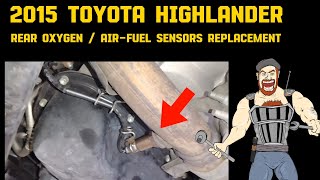
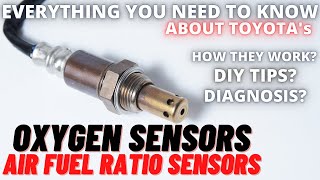
Your Highlander has multiple oxygen sensors. The upstream sensors (also called Air/Fuel Ratio Sensors) are more critical for engine performance, while the downstream sensors mainly monitor the catalytic converter. The sensors are not interchangeable. Always make sure you are buying the correct sensor for the specific location (e.g., Bank 1 Sensor 1, Bank 2 Sensor 2). An OBD-II scanner can tell you 🎬 See this guide on Toyota oxygen vs air-fuel sensors which sensor has failed.
Cost of Replacing a Toyota Highlander Oxygen Sensor

The cost can vary depending on the sensor's location and the brand you choose. Upstream air-fuel ratio sensors are typically more expensive than downstream oxygen sensors.
| Part Type | Price Range |
|---|---|
| New OEM (Toyota Branded) | $195 - $270 |
| New Aftermarket (Your Price Range) | $45.55 - $249.23 |
| Shop Labor | $80 - $150 |
Frequently Asked Questions (FAQ)

Can I drive my Highlander with a bad oxygen sensor?
It is not recommended. While the vehicle will run, ignoring the problem can lead to poor fuel economy, failed emissions tests, and potentially expensive damage to your catalytic converter over time.
How many oxygen sensors does a 2015-2024 Highlander have?
Most V6 Toyota Highlanders have four sensors: two upstream (Air/Fuel Ratio sensors, one for each cylinder bank) and two downstream (one for each cylinder bank). Four-cylinder models will have fewer. The exact number depends on your specific engine and model year.
Is there a recall for Highlander oxygen sensors?
No, there are no specific recalls for oxygen sensors on the 2015-2024 Toyota Highlander. There was a recall for the Occupant Classification System (OCS) sensor in the passenger seat for some 2020-2021 models, but this is unrelated to the engine's oxygen sensors.
What tools do I need to replace an oxygen sensor?
You will typically need a special oxygen sensor socket (which has a slot for the wire), a ratchet, and possibly some penetrating oil to loosen a stuck sensor. The job is usually straightforward for DIYers with some mechanical experience.
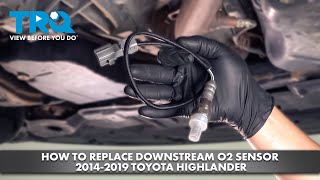
🎬 Watch: Step-by-step downstream oxygen sensor replacement walkthroughHelpful Videos
Technical Specifications
OEM Part Numbers: 89467-0E180
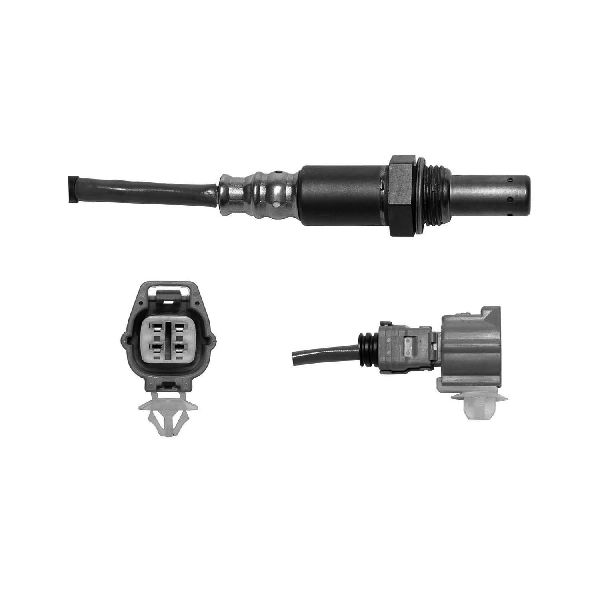
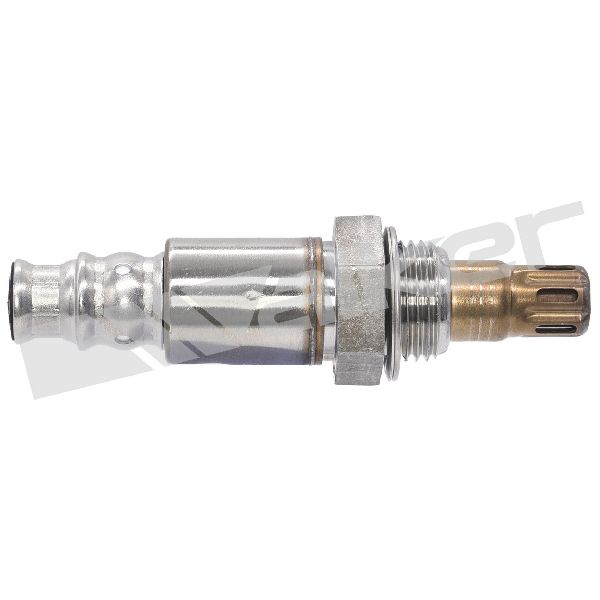
Your Highlander uses heated, 4-wire sensors. Upstream sensors are wideband Air/Fuel Ratio types, while downstream sensors are narrow-band oxygen sensors. Connectors and wire lengths are specific to location, so ensure an exact fit.
We Have This Part in Stock
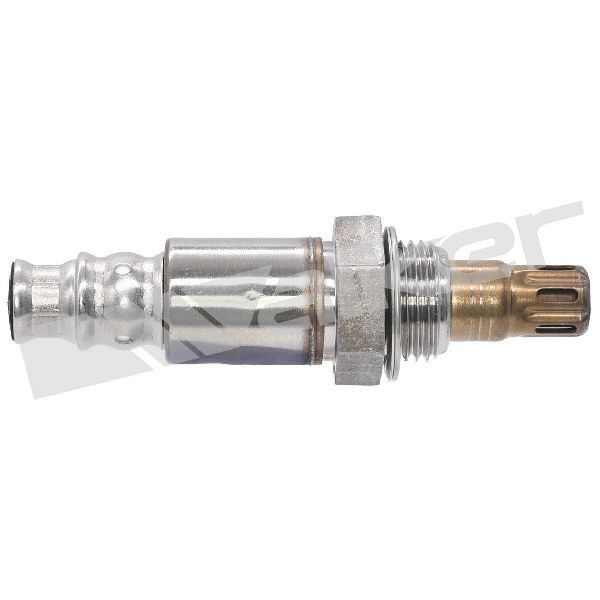
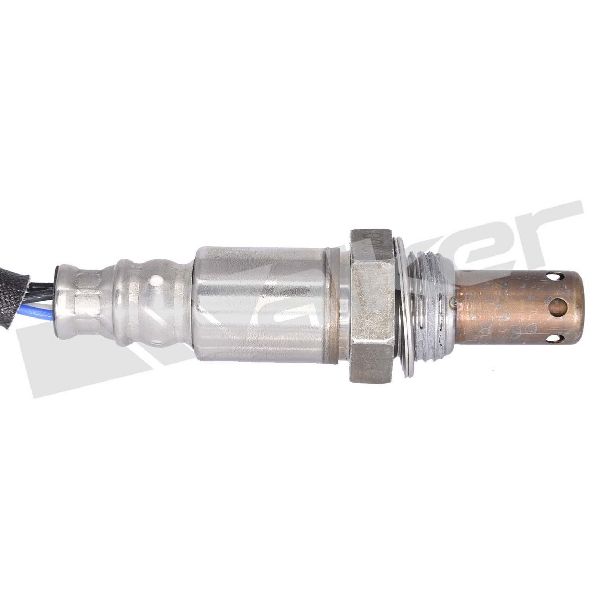
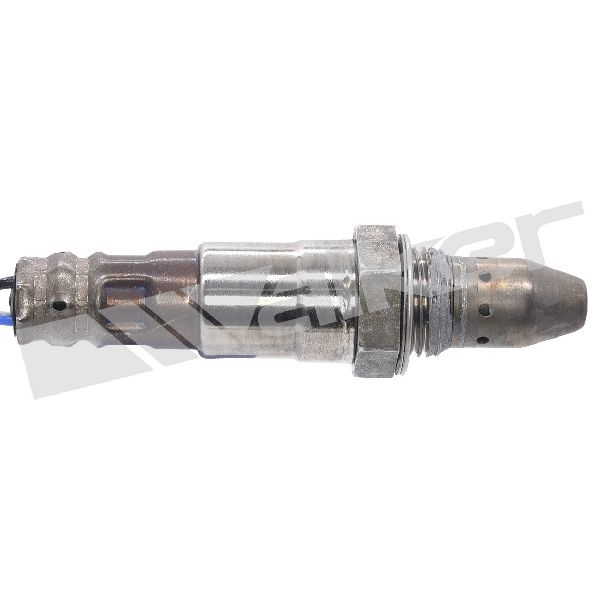
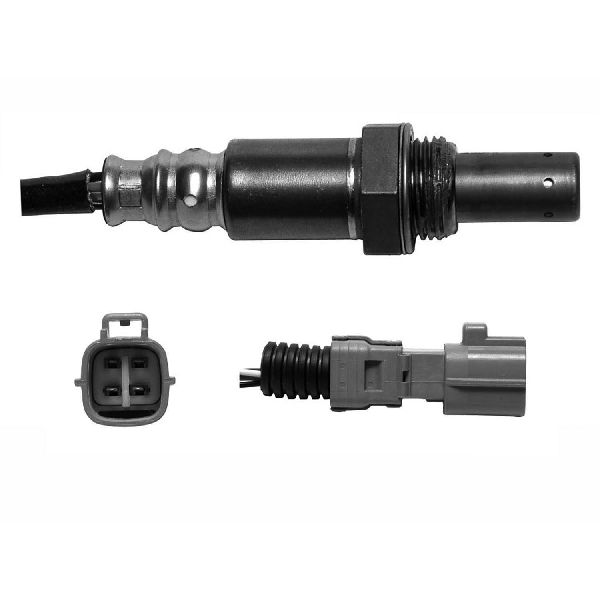

The information in this article is provided for general reference and educational purposes only. Vehicle specifications, procedures, and part compatibility can vary by production date, trim level, and region. Always consult your vehicle's factory service manual and verify part numbers before purchasing or performing repairs. Safety-critical components such as airbags, seat belts, and braking systems should be installed by a qualified professional.
- Toyota Highlander:
- 🎬 Helpful Videos
- 🛍️ Shop This Part
- Understanding Oxygen Sensor Failure in Your Highlander
- Symptoms of a Bad Oxygen Sensor
- A Note on Check Engine Codes P0420 and P0430
- Choosing the Right Aftermarket Oxygen Sensor
- Brand Tiers for Toyota Highlander
- Upstream vs. Downstream Sensors
- Cost of Replacing a Toyota Highlander Oxygen Sensor
- Frequently Asked Questions (FAQ)
- 🎟️ Get 5% Off