

Choosing the Right Aftermarket Brake Pads for Your 2015-2025 Audi A3
Squealing brakes, excessive dust, or a warning light on your dash? It might be time for new brake pads.
- Replacing brake pads on a 2015-2025 Audi A3 requires a special electronic tool to put the rear Electronic Parking Brake (EPB) in service mode.
- OEM pads are semi-metallic and known for creating lots of dust; aftermarket ceramic pads from brands like Akebono can reduce dust and noise.
- Common symptoms of worn pads include a dashboard warning light, squealing or grinding noises, and vibrations when braking.
- For best results and safety, it is highly recommended to replace brake rotors at the same time as the pads.
Is it Time for New Brake Pads? Common Symptoms

Your Audi A3 will give you clear signs when its brake pads are nearing the end of their life. Ignoring these can lead to reduced braking performance and more expensive repairs down the road. Here’s what to look and listen for:
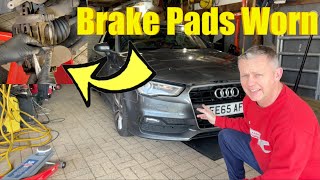
- Brake Warning Light: The most obvious sign. Your A3 is equipped with brake pad wear sensors that illuminate a light on your dashboard when the pad material is getting too thin.
- Squealing or Grinding Noises: High-pitched squealing when you apply the brakes often means the pads are worn. A deeper, harsher grinding sound indicates the pads are completely gone, and metal is grinding against metal, which can quickly damage your brake rotors.
- Vibrations: If you feel a pulsing or vibration through the brake pedal or steering wheel when braking, it could be a sign of worn pads or warped rotors.
- Reduced Performance: If your car takes longer to stop or the brake pedal feels soft and spongy, your brake system needs immediate inspection.
Choosing Your Aftermarket Brake Pads: Brand Tiers

The factory pads on your A3 are a semi-metallic compound, known for good performance but also for creating a lot of brake dust. Aftermarket pads give you options to tailor braking performance, noise, and dust levels to your preference.
Tier 1: OEM-Equivalent & Premium Brands
These brands are known for meeting or exceeding the quality of the original parts. They are ideal for daily driving and offer a balance of performance, low noise, and durability. Many are the original equipment manufacturers for Audi.
- Bosch: A top-tier choice, often providing performance similar to the original pads with potentially less dust.
- Brembo: Famous for performance, their standard replacement pads are a solid upgrade over stock for street use.
- Pagid & Textar: Both are often OEM suppliers for German cars, including Audi. Choosing these is like getting factory quality, sometimes without the dealership price tag.
- Akebono: Known for their excellent ceramic pads, which are famous for being extremely quiet and producing very little dust. A great choice if you're tired of cleaning your wheels.
Tier 2: Performance & Enthusiast Brands
If you enjoy spirited driving or want a more aggressive brake bite, these brands offer pads designed for higher performance, though sometimes at the cost of more noise or dust.
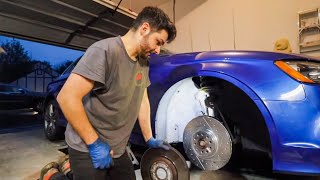
- Hawk Performance: Offers various compounds from street performance to track-focused pads. Their HPS series is a popular street upgrade. 🎬 See a breakdown of the most affordable brake upgrade options.
- EBC Brakes: Provides a range of pads like the Redstuff (ceramic, low dust) and Yellowstuff (aggressive street/track) compounds, allowing you to pick based on your driving style.
- StopTech & Powerstop: Often sold in kits with rotors, these brands provide a good performance upgrade for daily drivers and enthusiasts. Powerstop's carbon-fiber ceramic pads are a popular choice.
Tier 3: Daily Driver & Value Brands
These brands offer reliable, safe stopping power for everyday commuting at an affordable price point.
- Centric: A very popular aftermarket brand offering solid, reliable brake parts that are a great value.
- Dynamic Friction / Wagner / Bendix: These brands provide dependable, budget-friendly options that get the job done for normal driving conditions.
A Note on the Electronic Parking Brake (EPB)
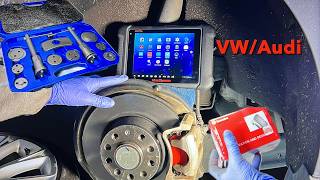
Your 2015-2025 Audi A3 has an electronic parking brake. This means you cannot simply push the rear brake caliper pistons back to install new pads. You MUST use a compatible automotive scan tool (like VCDS or OBD11) to put the rear brakes into a special 'service mode' before starting the job. Failing to do this will damage the electronic caliper motors, leading to a very expensive repair.
🎬 Learn how to put your electronic parking brake into service mode.Known Issues, Recalls, and Service Bulletins
While the 2015-2025 Audi A3 has a generally reliable brake system, no widespread recalls specifically for brake pads have been issued for this generation in the US market. Some earlier models (2009) had recalls related to the ABS control module, but this does not apply to the 2015+ generation. Owners commonly report squeaking noises and significant brake dust, which are often considered normal characteristics of the OEM semi-metallic pads. Switching to a high-quality aftermarket ceramic pad, like those from Akebono, can significantly reduce both issues.
| Service | Estimated Cost |
|---|---|
| Aftermarket Pad Set (Parts Only) | $38 - $295 |
| OEM Pad Set (Parts Only) | $75 - $200 |
| Independent Shop Labor | $150 - $350 per axle |
| Dealership Labor | $300 - $550 per axle |
Frequently Asked Questions

Do I need to replace my brake rotors at the same time?
It is highly recommended. Installing new pads on old, worn, or grooved rotors can cause noise, vibrations, and reduced pad life. For best performance and safety, you should replace pads and rotors together as a set.
What's the difference between ceramic and semi-metallic pads?
Semi-metallic pads, like the ones your A3 came with, offer great performance but create more dust and noise. Ceramic pads are made from a denser material that is much quieter, produces significantly less dust, and is generally gentler on rotors, making them a popular upgrade for daily driving.
What is a brake pad wear sensor?
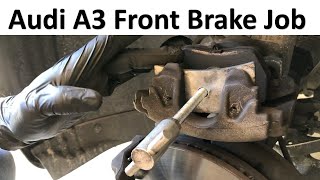
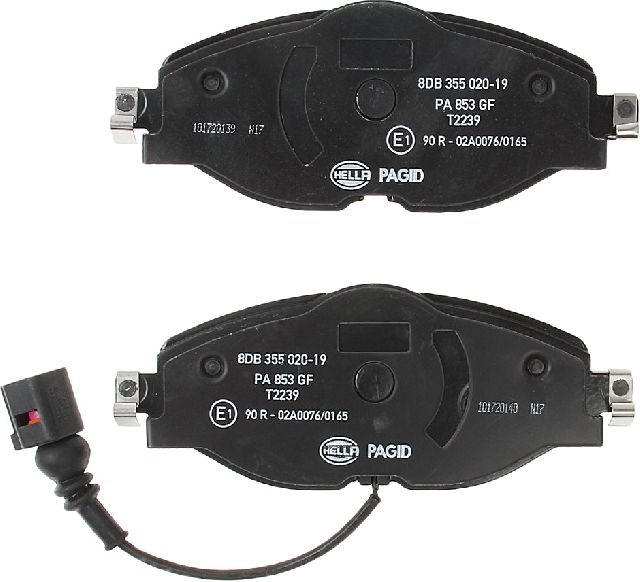
It's a small electronic sensor attached to the brake pad. As the pad wears down, the sensor eventually makes contact with the brake rotor, completing a circuit and turning on a warning light on your dashboard. Most A3 models have a sensor on the front-left wheel. 🎬 Watch a step-by-step guide on replacing front pads and sensors. When you buy a new pad set, make sure it either comes with a new sensor or that you purchase one separately if needed.
Can I change my A3's brake pads myself?
Yes, if you are an experienced DIY mechanic with the right tools. The front brakes are a standard job. However, the rear brakes require a special electronic tool to retract the electronic parking brake. If you don't have this tool, you should have a professional shop perform the replacement to avoid damaging the calipers.
Helpful Videos

Technical Specifications
OEM Part Numbers: 3Q0698151B
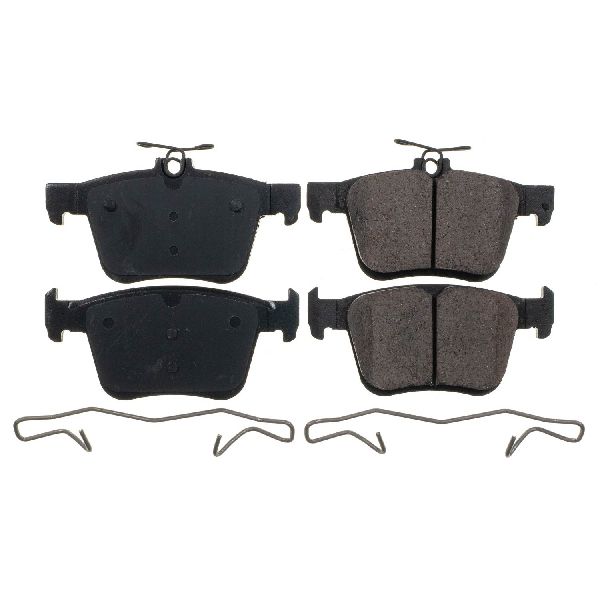
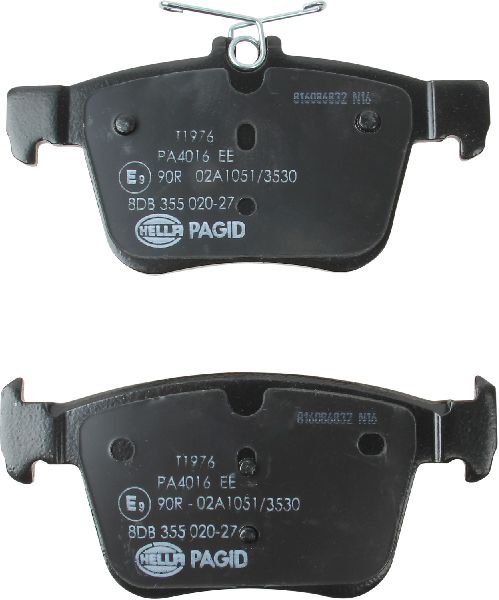
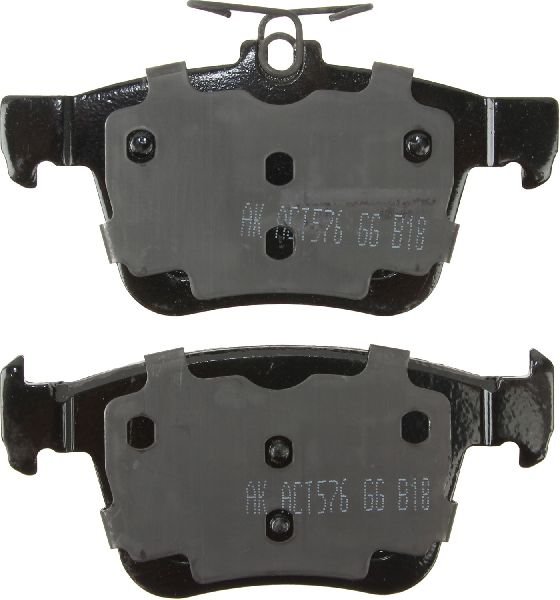
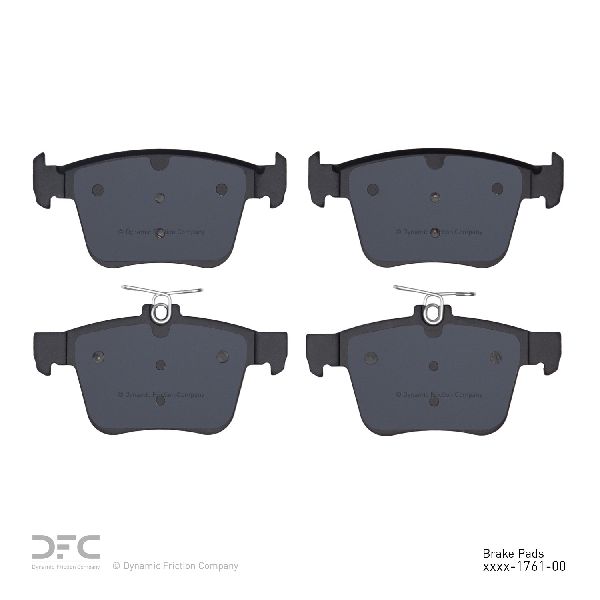
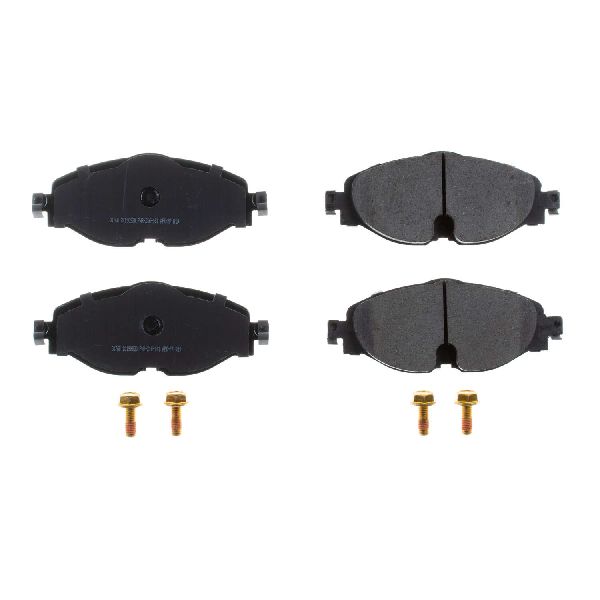
Brake pad sets for the Audi A3 (2015-2025) are available in semi-metallic, ceramic, and organic formulations. The front pads typically include a slot for an electronic wear sensor. The rear pads require the electronic parking brake to be put in service mode for replacement.
We Have This Part in Stock

The information in this article is provided for general reference and educational purposes only. Vehicle specifications, procedures, and part compatibility can vary by production date, trim level, and region. Always consult your vehicle's factory service manual and verify part numbers before purchasing or performing repairs. Safety-critical components such as airbags, seat belts, and braking systems should be installed by a qualified professional.
- Audi A3:
- 🎬 Helpful Videos
- 🛍️ Shop This Part
- Is it Time for New Brake Pads? Common Symptoms
- Choosing Your Aftermarket Brake Pads: Brand Tiers
- Tier 1: OEM-Equivalent & Premium Brands
- Tier 2: Performance & Enthusiast Brands
- Tier 3: Daily Driver & Value Brands
- A Note on the Electronic Parking Brake (EPB)
- Known Issues, Recalls, and Service Bulletins
- Frequently Asked Questions
- 🎟️ Get 5% Off