

A Guide to Aftermarket Brake Pads for the 2015-2025 Audi A3 Quattro
Find the right stopping power and reduce brake dust with this guide to replacement brake pads for your A3 Quattro.
- Rear brake pad replacement requires a diagnostic scan tool to retract the Electronic Parking Brake (EPB) motors.
- For less brake dust and quiet daily driving, choose ceramic pads from brands like Akebono or Powerstop.
- Always check if your brake rotors have a large lip or are below minimum thickness; if so, they should be replaced with the pads.
- The brake pad warning light means your pads are low, but you can typically drive cautiously for a short period to schedule a repair.
Signs Your A3 Quattro Needs New Brake Pads
Your Audi is designed to tell you when its brake pads are getting low. The most common sign is a yellow warning light on your dashboard that looks like a circle with dashed lines on each side. This light is triggered by a wear sensor embedded in the brake pad. You shouldn't ignore this warning, but you typically have some time—often a week or two—to get them replaced. Other symptoms include:
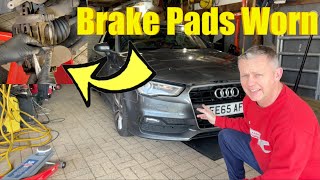
- Squealing or screeching sounds: A high-pitched noise when you apply the brakes often means the wear indicator is making contact 🎬 Watch a step-by-step guide on replacing worn front brake pads. with the rotor.
- Grinding noises: A metal-on-metal grinding sound is a serious issue. It means the pad material is completely gone, and the metal backing plate is damaging your brake rotors. Stop driving immediately if you hear this.
- Longer stopping distances: If you notice your car takes longer to stop than it used to, your pads are likely worn out and can't create enough friction.
- Vibration or pulsing in the pedal: This can be a sign of worn pads or warped rotors.
Rear Brake Replacement is Not a Simple Job
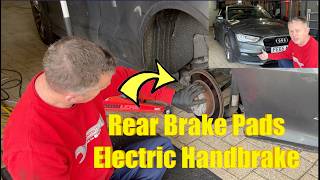
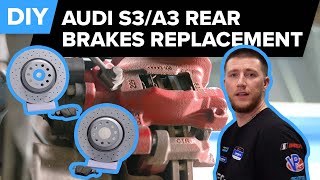
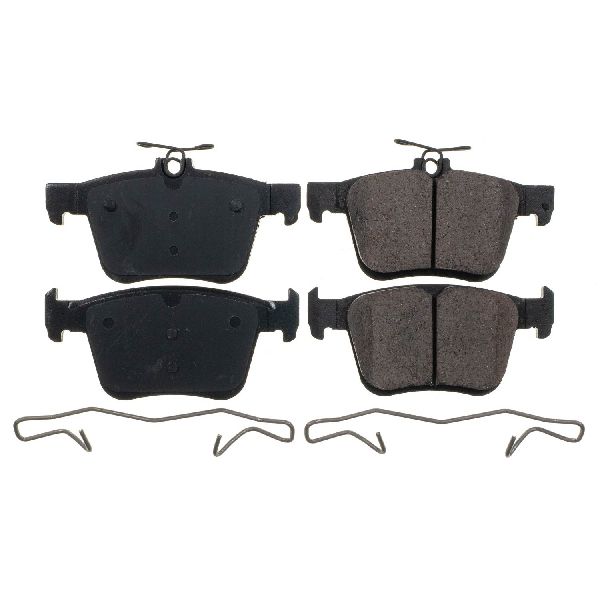
The 2015-2025 Audi A3 Quattro has an Electronic Parking Brake (EPB). You cannot simply push the rear caliper pistons back to install new pads. Doing so can damage the electronic motor inside the caliper. A special diagnostic scan tool is required to put the rear brakes into a "service mode" or "lining change mode," which retracts the motors electronically. While there are methods to do this without a scan tool by applying 12-volt power directly to the motor, it is risky and best left to experienced mechanics.
🎬 See how to change rear brakes without using a scan tool.Choosing the Right Aftermarket Brake Pads
When replacing your brake pads, you have many options besides the expensive ones from the dealership. Aftermarket brands often provide better performance, less dust, or a lower price. Here’s a breakdown of the common types and brands available for your A3 Quattro.
Brake Pad Materials Explained
- Ceramic Pads: These are a popular upgrade for Audi owners. They produce significantly less brake dust than factory pads, keeping your wheels cleaner. They are also very quiet. While their initial "bite" might feel slightly less aggressive than other types, they offer excellent, consistent stopping power for daily driving.
- Semi-Metallic Pads: These pads offer strong performance and are great at dissipating heat, making them suitable for more aggressive driving. However, they tend to be noisier and produce more of the black dust that plagues many German cars.
- Organic Pads: These are made from non-metallic materials and are generally quiet and easy on rotors, but they can wear faster and don't perform as well under high heat.
Recommended Aftermarket Brands by Tier
Your A3 Quattro is a performance vehicle, so choosing a quality brake pad is important. Here are some of the available brands, grouped by quality and intended use:
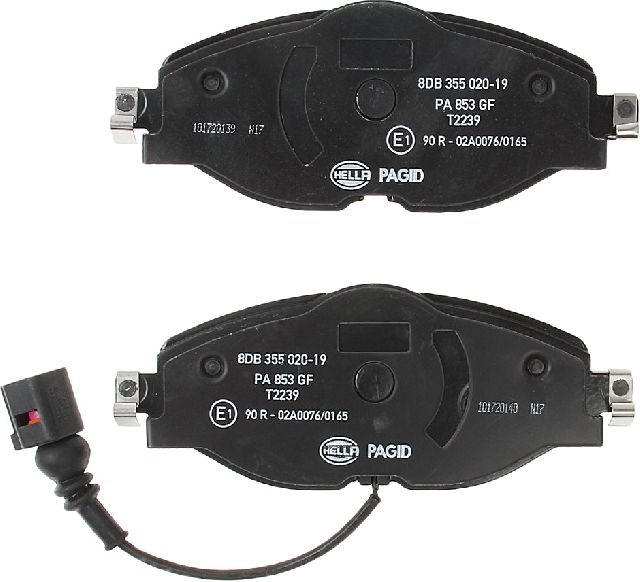
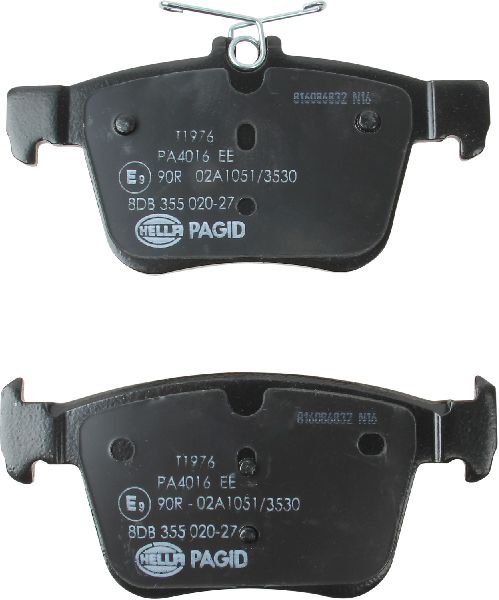
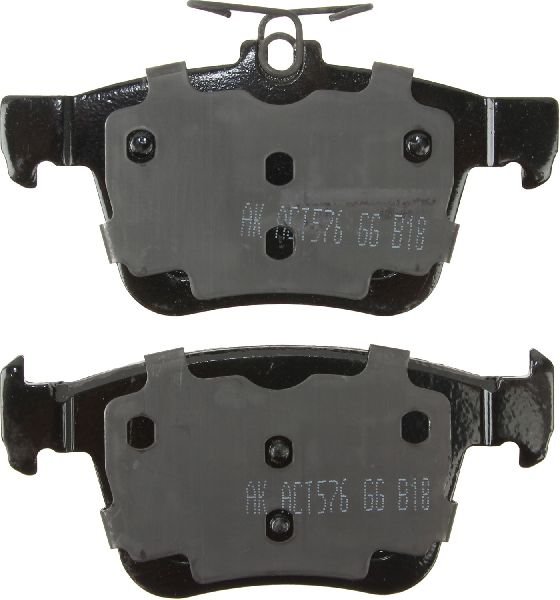
- Premium & OEM-Equivalent: Brands like Akebono, Brembo, Bosch, Pagid, and Textar are known for making original equipment for many German automakers. Choosing one of these will give you performance and feel very similar to the stock pads. Akebono is particularly well-regarded for its low-dust ceramic pads.
- Performance Upgrade: If you enjoy spirited driving or want more initial bite, look at brands like Hawk Performance (HPS 5.0), EBC Brakes (Yellowstuff, Redstuff), and StopTech. These pads are designed for better high-speed stopping and fade resistance but may produce more dust and noise.
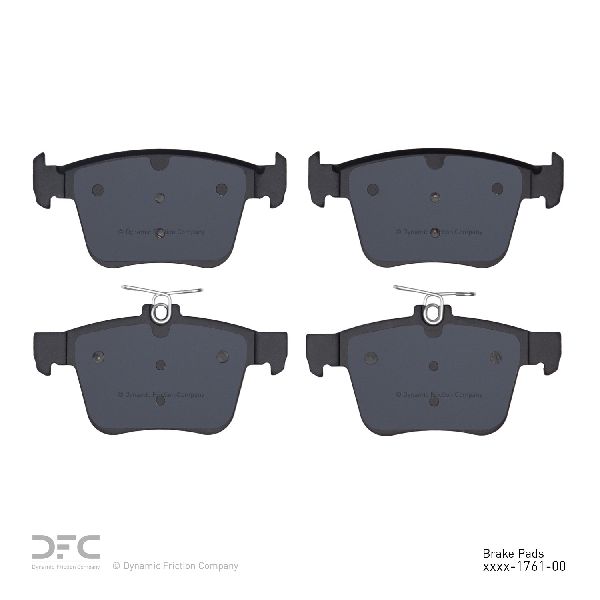
- Daily Driver & Value: Brands like Centric (Posi-Quiet), Dynamic Friction, and Wagner Brakes offer a great balance of quality and price. They meet or exceed OEM standards and are a reliable choice for everyday commuting. Powerstop is another popular option, especially their Z23 carbon-fiber ceramic kits. 🎬 Check out this affordable brake upgrade for your Audi A3.
Known Issues, Recalls, and TSBs
Searches for the 2015-2025 Audi A3 Quattro did not reveal any recalls specifically for the disc brake pads. However, several related items were found:
- NHTSA TSB 10242945: A technical service bulletin was issued regarding potential corrosion on the friction surface of steel brake discs.
- ABS System Recall (Older Models): A recall was issued for the ABS control module on some 2009-2010 Audi A3 models, which is outside the 2015-2025 range but shows a history of electronic brake system issues.
- Other Recalls: For the 2015 model year, recalls were issued for a non-compliant safety label and a potential fuel pump defect, but neither relates to the brake pads themselves.
Frequently Asked Questions (FAQ)
Can I replace just the brake pads and not the rotors?
You can, but it's not always recommended. If your brake rotors have a significant "lip" on the edge, are scored, or measure below the minimum thickness, they must be replaced. Installing new pads on worn rotors can cause noise, vibration, and reduced performance. For best results, replace pads and rotors at the same time.
Why are my new brakes squeaking?
New brakes can squeak for a few reasons. It could be part of the normal "bedding-in" process as the pads conform to the rotor. It can also be caused by a lack of proper lubrication on the caliper slide pins or where the pads contact the caliper bracket. Some performance-oriented pads are also naturally noisier than standard ceramic pads.
What is a brake pad wear sensor?
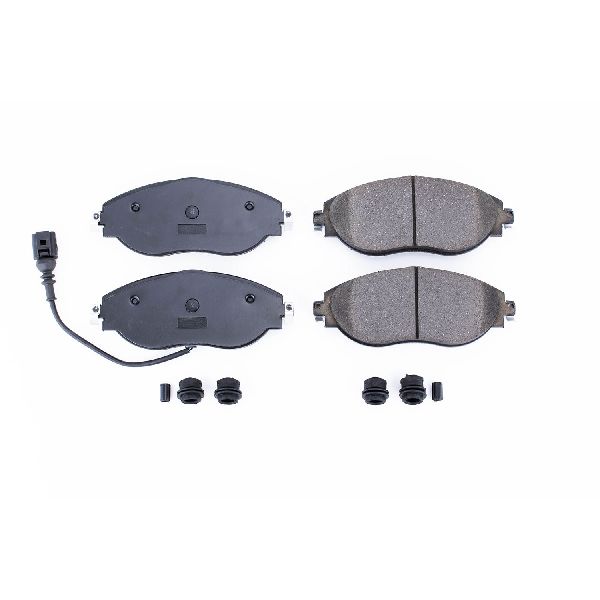
It's a small electronic sensor attached to the brake pad. As the pad material wears down, the sensor makes contact with the brake rotor, which breaks an electrical circuit and triggers the warning light on your dash. Only one front pad (usually the driver's side) and one rear pad have a sensor.
Do I need a special tool to change the rear brake pads?
Yes. Because of the Electronic Parking Brake (EPB), you need a diagnostic scan tool (like VCDS, Carista, or Autel) to retract the rear caliper motors before you can press the pistons back. Attempting to force the piston back without this tool will damage the caliper motor.
Helpful Videos
Technical Specifications
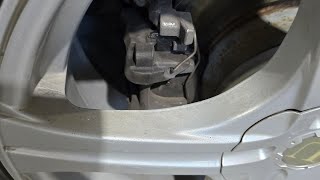
Brake system includes an Electronic Parking Brake (EPB) and electronic brake pad wear sensors. Front and rear rotor sizes can vary by specific model and package (e.g., 312mm vs 340mm front rotors), so always verify your vehicle's specific size before ordering.
We Have This Part in Stock

The information in this article is provided for general reference and educational purposes only. Vehicle specifications, procedures, and part compatibility can vary by production date, trim level, and region. Always consult your vehicle's factory service manual and verify part numbers before purchasing or performing repairs. Safety-critical components such as airbags, seat belts, and braking systems should be installed by a qualified professional.
- Audi A3 Quattro:
- 🎬 Helpful Videos
- 🛍️ Shop This Part
- Signs Your A3 Quattro Needs New Brake Pads
- Rear Brake Replacement is Not a Simple Job
- Choosing the Right Aftermarket Brake Pads
- Brake Pad Materials Explained
- Recommended Aftermarket Brands by Tier
- Known Issues, Recalls, and TSBs
- Frequently Asked Questions (FAQ)
- 🎟️ Get 5% Off