

Audi Q3 Engine Coolant Temperature Sensor: A Guide for 2015-2025 Models
Understanding the signs of a failing coolant sensor in your Q3 and how to choose the right replacement.
- A failing sensor can cause poor fuel economy, overheating, a check engine light, and rough running.
- For best results, choose an OEM-quality aftermarket brand like Hella, Delphi, or Vemo to ensure accuracy and longevity.
- Be aware of other common Q3 cooling system issues, like leaking water pump housings and a recall on the after-run coolant pump for 2015-2017 models.
- The sensor can be difficult to access, often located under the intake manifold, so review the job's difficulty before starting a DIY replacement.
Is Your Audi Q3 Showing Signs of a Bad Coolant Sensor?
A failing Engine Coolant Temperature (ECT) sensor can cause a range of confusing problems. Because the sensor's data is so important, a bad signal can make your Q3's computer think the engine is hot when it's cold, or cold when it's hot. This leads to noticeable performance issues.
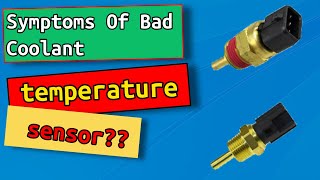
🎬 Watch: A breakdown of common symptoms of sensor failure.Common Symptoms of Failure:
- Check Engine Light: This is often the first warning. The ECU detects an illogical signal from the sensor and triggers a fault code.
- Poor Fuel Economy: If the sensor wrongly tells the ECU the engine is cold, the computer will enrich the fuel mixture, wasting gas.
- Engine Overheating or Running Cold: A faulty sensor might not trigger the cooling fans when needed, leading to overheating. Conversely, it could cause the temperature gauge to read incorrectly or fluctuate wildly.
- Black Smoke from Exhaust: A very rich fuel mixture, caused by a false cold reading, can result in unburned fuel exiting through the exhaust as black smoke.
- Rough Idle and Poor Performance: With incorrect temperature data, the engine's timing and fuel calculations will be off, causing rough idling, hesitation, or a general sluggish feeling.
- Hard Starting: The fuel mixture required for a cold start is different from a warm start. A bad sensor can make starting the engine difficult.
Related Cooling System Issues in the Audi Q3
Be aware of other common cooling system problems that can be mistaken for, or occur alongside, a sensor failure:
- Water Pump/Thermostat Housing Leaks: Many 2017-2021 models with the 2.0L TFSI engine are prone to leaks from the plastic water pump and thermostat assembly, which can warp from heat over time. This can cause coolant loss and overheating. 🎬 Watch: How to replace the water pump on a 2.0T.
- After-Run Coolant Pump Recall (2015-2017 models): Some earlier Q3 models were part of a recall for the electric after-run coolant pump, which could short circuit. While not the ECT sensor, it's a critical part of the same system.
- False Coolant Warnings (2019-2023 models): A Technical Service Bulletin (TSB 2070269/1) was issued for newer models where the coolant warning light may illuminate even when the coolant level is correct.
Choosing the Right Aftermarket Sensor
For critical sensors on a German vehicle like your Q3, part quality matters. While budget parts are available, they can fail prematurely or send inaccurate readings, causing the same problems you're trying to fix. It's often best to choose a brand known for supplying parts directly to automakers.
Brand Quality Tiers
- Tier 1 - OEM-Quality Brands (Hella, Delphi, Vemo, NGK): These companies are often the original equipment manufacturers for Audi. Choosing one of these brands gives you the highest confidence in fit, accuracy, and longevity, essentially matching the quality of the part you'd get from a dealer.
- Tier 2 - Reputable Aftermarket (Standard Ignition, Beck Arnley, Holstein): These are trusted brands in the aftermarket industry. They engineer their parts to meet or exceed OE specifications and offer a reliable balance of quality and value.
- Tier 3 - Value Brands (Four Seasons, Facet, Motorad, etc.): These brands provide a cost-effective solution. While they can get the job done, especially on an older vehicle, their manufacturing tolerances and material quality may not be as consistent as higher-tier brands.
Pro Tip: Check the Connector
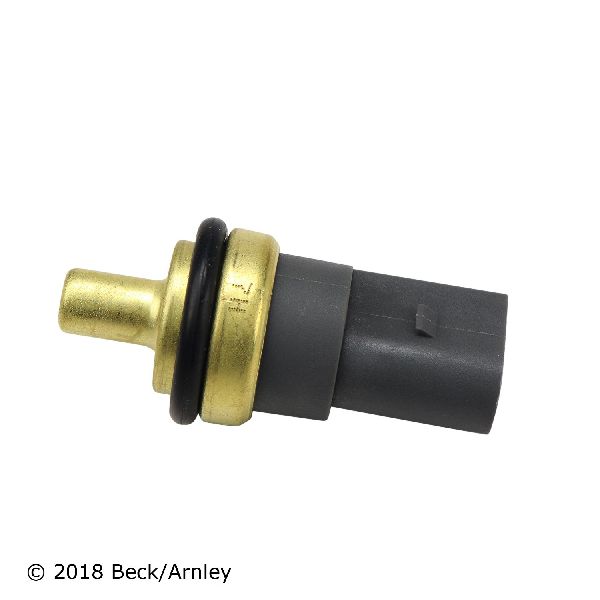
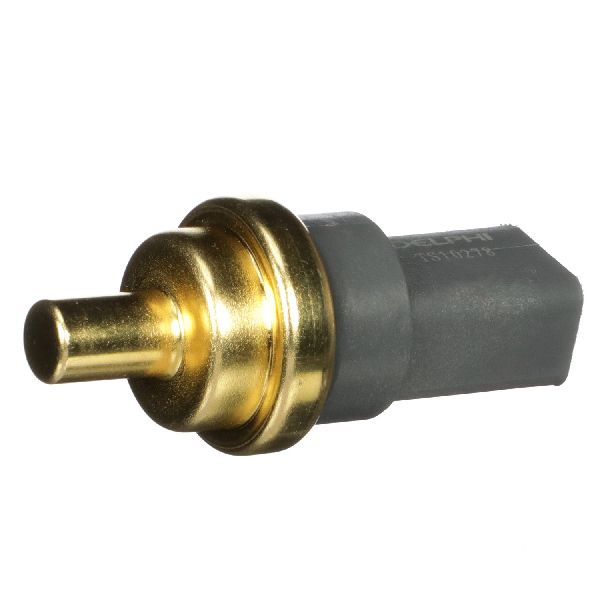
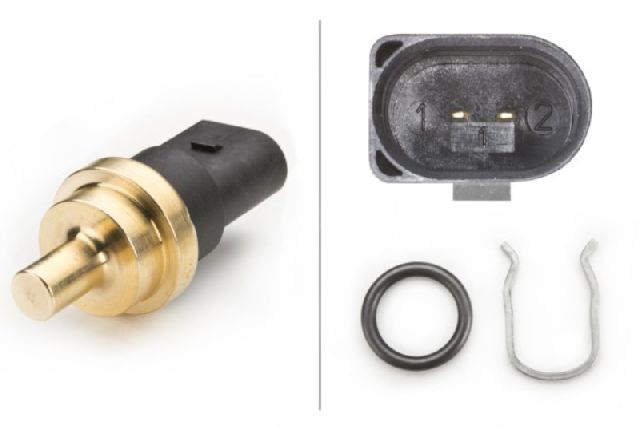
Before ordering, visually inspect your Q3's existing sensor. Some Audi models use a 2-pin connector while others use a 4-pin. Also, note the shape (e.g., square vs. oval) to ensure you order an exact match.
Cost of Replacing the Audi Q3 Coolant Temperature Sensor
The cost to replace the ECT sensor depends on whether you do it yourself or use a professional mechanic. The part itself is not expensive, but labor can add up if the sensor is in a hard-to-reach location.
| Item | Estimated Cost |
|---|---|
| New Aftermarket Part | $13.18 - $64.73 |
| New OEM Part | $40 - $90 |
| Shop Labor | $97 - $142 |
| Total Professional Replacement | $110 - $232 |
Frequently Asked Questions
Where is the coolant temperature sensor located on my Audi Q3?
The location can be tricky. On many Q3s with the 2.0L engine, the primary sensor is located on the back of the engine, underneath the intake manifold. This location is difficult to access and may require removing the alternator or other components. Some configurations may have a second sensor on the lower radiator hose flange or near the thermostat housing. Always verify the location on your specific vehicle before starting the repair.
🎬 See this video to find the sensor on your Q3.Can I replace the sensor myself?
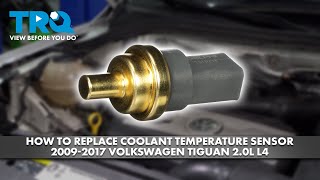
Yes, this is a DIY-feasible job for someone with moderate mechanical skill. The main challenge is accessing the sensor. The basic steps involve removing the air intake pipe, releasing a plastic retaining clip, pulling out the old sensor, swapping the O-ring, and installing the new sensor. Be prepared for some coolant to spill when you remove the old sensor.
What do the fault codes P0116, P0117, or P0118 mean?
These are common trouble codes related to the ECT sensor. P0116 indicates a range/performance problem, meaning the ECU is getting an erratic or irrational signal. P0117 means the signal voltage is too low (indicating extreme heat), often caused by a short in the circuit or a failed sensor. P0118 means the signal voltage is too high (indicating extreme cold), which can happen if the sensor is unplugged.
Do I need to drain the coolant to replace the sensor?
You do not need to fully drain the cooling system. However, the sensor sits in a coolant passage, so when you remove it, some coolant will leak out. Work quickly to swap the new sensor in to minimize the loss. Have the new sensor and O-ring ready to go. Afterwards, you will need to top off the coolant reservoir with the correct type of Audi-approved coolant (typically G12, G13, or G12evo).
Helpful Videos


Technical Specifications
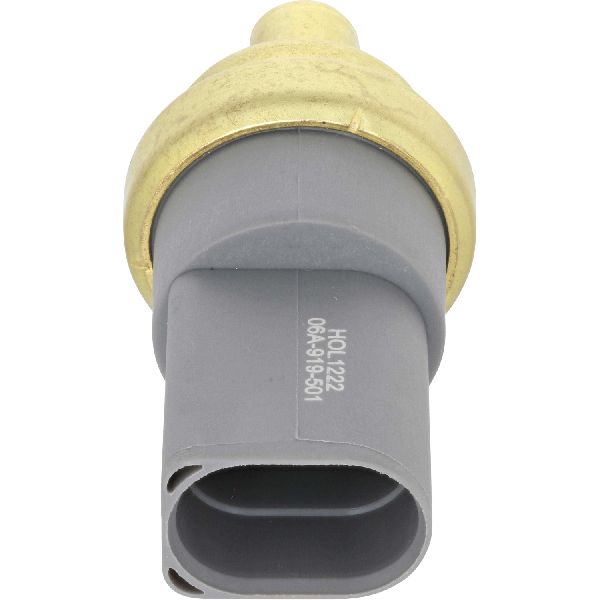
OEM Part Numbers: 06A919501A 059919501A
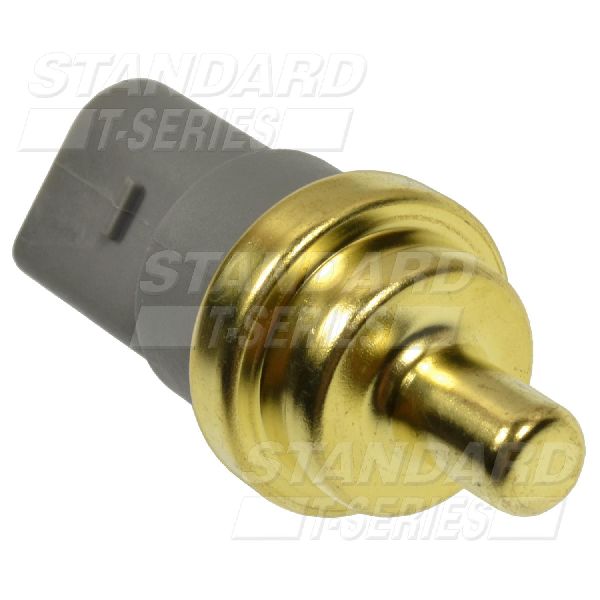
Typically a 2-wire or 4-wire thermistor sensor with a plastic or brass body. Secured by a retaining clip and sealed with a rubber O-ring. Connector type and pin count must match the original part.
We Have This Part in Stock


The information in this article is provided for general reference and educational purposes only. Vehicle specifications, procedures, and part compatibility can vary by production date, trim level, and region. Always consult your vehicle's factory service manual and verify part numbers before purchasing or performing repairs. Safety-critical components such as airbags, seat belts, and braking systems should be installed by a qualified professional.
- Audi Q3:
- 🎬 Helpful Videos
- 🛍️ Shop This Part
- Is Your Audi Q3 Showing Signs of a Bad Coolant Sensor?
- Common Symptoms of Failure:
- Related Cooling System Issues in the Audi Q3
- Choosing the Right Aftermarket Sensor
- Brand Quality Tiers
- Pro Tip: Check the Connector
- Cost of Replacing the Audi Q3 Coolant Temperature Sensor
- Frequently Asked Questions
- 🎟️ Get 5% Off