

Choosing Aftermarket Brake Pads for the 2015-2025 Chevrolet Corvette
Tired of constant brake dust and noise on your C7 or C8? This guide will help you find the perfect aftermarket brake pads.
- The biggest complaint about OEM Corvette brakes is the excessive dust; switching to aftermarket ceramic pads from brands like PowerStop or Carbotech is the most common solution.
- For street driving, a low-dust ceramic pad like the PowerStop Z26 offers the best balance of clean wheels and good stopping power.
- If you plan on track days, you will need a high-performance pad (like Hawk HPS 5.0 or EBC Bluestuff) as standard ceramic pads can fade and wear out quickly under extreme heat.
- A brake squeal at low speeds might be fixed by reapplying special copper paste as described in GM's Technical Service Bulletin (TSB #17-NA-040), not necessarily by replacing the pads.
Is Something Wrong with Your Corvette's Brakes?
Noticing a change in your brakes is the first sign you might need new pads. Worn-out pads can be dangerous and may damage other expensive brake parts, like rotors.
Common Failure Symptoms:
- Squealing or Screeching: A high-pitched noise when you brake often comes from a small metal indicator on the pad telling you it's time for a replacement.
- Grinding Noise: A loud, harsh grinding sound means the pads are completely worn down. This is a critical issue; the metal backing plate is grinding against the rotor, causing severe damage. Stop driving immediately.
- Pulsating Brake Pedal: If you feel a pulsing or vibration in the brake pedal during moderate braking, it could be a sign of uneven pad material on the rotors or warped rotors.
- Increased Stopping Distance: If your Corvette takes longer to stop than it used to, your pads may be worn out or faded from heat.
- Excessive Brake Dust: While not a failure symptom, a major complaint from Corvette owners, especially with Z51 packages, is the huge amount of brake dust from the stock Brembo pads. Many owners switch to aftermarket ceramic pads just to solve this problem.
Choosing the Right Aftermarket Brake Pads for Your Corvette
The original equipment (OEM) pads on the Corvette, often made by Brembo, provide excellent stopping power. However, they are notorious for producing a large amount of brake dust and can sometimes be noisy. Aftermarket pads offer a chance to customize your brake performance, often reducing dust and noise for street driving or increasing heat tolerance for the track.
Here’s a breakdown of popular aftermarket brands and what they're good for:
Tier 1: Daily Driver & Low-Dust Champions
These pads are perfect for the majority of Corvette owners who primarily drive on the street and want to eliminate the annoying brake dust from OEM pads.
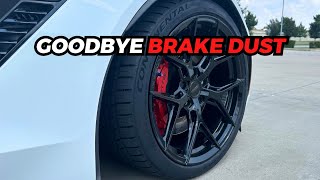
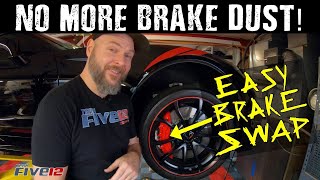
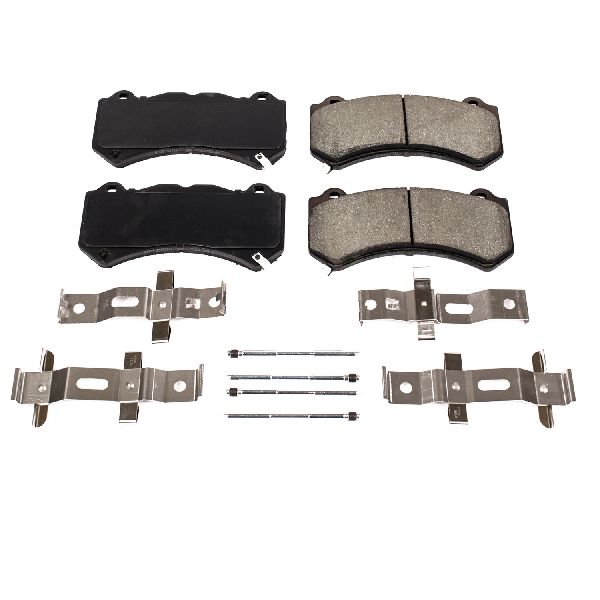
- PowerStop (Z23 & Z26): Overwhelmingly the most popular choice for Corvette owners looking to reduce dust. The Z26 and Z23 carbon-fiber ceramic pads are known to reduce dust by 90% or more with minimal change in stopping power for street driving. They are a cost-effective solution and a common first modification for C7 and C8 owners. 🎬 See how to install PowerStop Z26 pads on a C7.
- Carbotech (1521): Another top contender for a low-dust, high-performance street pad. Owners report excellent pedal feel and low noise. They are more expensive than PowerStop pads, but some drivers prefer their braking feel for street use when not driving at very high speeds. These pads are not recommended for track use.
- Hawk Performance (Ceramic): Hawk's ceramic pads are engineered specifically for ultra-low dust and quiet operation. They provide improved stopping power over factory pads and are a great choice for street-driven Corvettes where clean wheels are a priority.
What's the Difference Between Pad Materials?
- Ceramic: Best for street driving. They are quiet, produce very little, light-colored dust, and are gentle on rotors. Brands like PowerStop and Carbotech specialize in these for Corvettes.
- Semi-Metallic: A mix of metal fibers and other materials. They offer great performance and heat transfer but are often noisier and dustier than ceramic pads. The OEM Brembo pads fall into this category.
- Hybrid/High-Performance Street (HPS): These pads, like the Hawk HPS 5.0, try to bridge the gap between street and track. They offer more bite than standard ceramics but create more dust.
Tier 2: High-Performance Street & Occasional Track Use
For those who enjoy spirited driving and might do a few track days a year.
- Hawk Performance (HPS 5.0): A popular semi-metallic pad that offers a more aggressive bite and better fade resistance than typical ceramic pads. They produce more dust than low-dust ceramic options but are a good step-up for performance driving without committing to a full track pad.
- EBC Brakes (Bluestuff/Yellowstuff): EBC offers pads like Bluestuff that are designed for aggressive street driving and can handle some track use. They are known for a strong initial bite even when cold.
Tier 3: Dedicated Track & Racing Pads
These pads are for serious track enthusiasts. They are not recommended for street use as they can be noisy, dusty, and require heat to work effectively.
- Hawk Performance (DTC Series): The DTC (Dynamic Torque Control) pads are a favorite among track day drivers for their high-temperature stability and consistent performance.
- Pagid / Brembo Racing: These brands offer professional-level racing compounds designed for extreme heat and stopping power, suitable for dedicated track cars.
Known Issues, Recalls, and TSBs
While there are no widespread recalls specifically for the brake pads on 2015-2025 Corvettes, some related issues have been noted:
- Technical Service Bulletin (TSB) #17-NA-040: 🎬 Watch this tech update on common C7 and C8 brake issues. GM issued this bulletin for brake squeal on 2014-2020 Corvettes (and other models) that occurs at low speeds after the car has been sitting. The fix involves applying a specific copper paste to the brake pad abutments to reduce vibration. This is often caused by the original paste washing away.
- 2020 Stop-Sale (Brake Booster): In September 2020, GM issued a stop-sale for some 2020 Corvettes due to a potential issue with a sensor in the electronic brake-by-wire system, which could increase the pedal force needed to stop the car. This was related to the brake booster, not the pads themselves.
- 2015 Parking Brake Recall: A small number of 2015 Corvettes were recalled because a parking brake cable may not have been installed correctly, potentially reducing parking brake effectiveness.
| Pad Type | Estimated Price Range (Front & Rear Set) | Best For |
|---|---|---|
| New Aftermarket (Low-Dust Ceramic) | $100 - $350 | Street driving, eliminating brake dust |
| New Aftermarket (High-Performance/Track) | $350 - $700+ | Spirited driving and track days |
| New OEM (Brembo/ACDelco) | $400 - $800+ | Original performance, but with high dust |
Frequently Asked Questions (FAQ)
Why are my Corvette's wheels always covered in black dust?
This is the number one complaint from C7 and C8 owners, especially those with the Z51 package. The high-performance OEM Brembo pads are semi-metallic and designed for aggressive stopping, but a major side effect is heavy, dark brake dust. Switching to a quality aftermarket ceramic pad, like a PowerStop Z26 or Carbotech 1521, can reduce this dust by over 90%.
Do I have to replace my rotors when I replace my pads?
Not always. If your rotors are not warped (no pulsing in the pedal), have no deep grooves or cracks, and are within the minimum thickness specification, you can often just replace the pads. However, for the best performance and to ensure new pads bed-in correctly, it's good practice to replace pads and rotors at the same time, especially on a high-performance car like a Corvette.
Can I install Corvette brake pads myself?
Yes, for someone with moderate mechanical skill, changing brake pads on a Corvette is a feasible DIY job. The process involves jacking up the car, removing the wheel, unbolting the caliper, and swapping the pads. It's important to have the right tools, including a torque wrench, and to follow proper safety procedures. Disconnecting the battery on C8 models is recommended 🎬 Watch: A complete C8 brake pad replacement walkthrough. before starting.
What does 'bedding in' new brakes mean?
Bedding in is a process of a few controlled, hard stops to transfer an even layer of friction material from the new pads onto the brake rotor. This ensures smooth, powerful, and quiet braking. Most aftermarket pad manufacturers provide specific instructions for this procedure. It is crucial for performance and longevity.
Helpful Videos



Technical Specifications
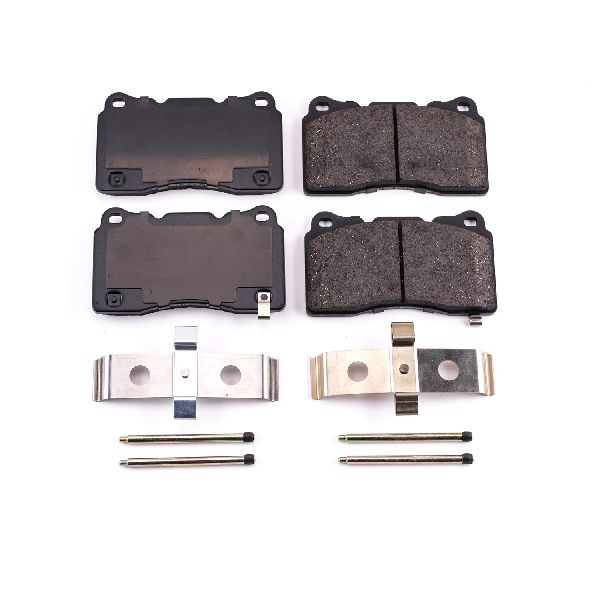
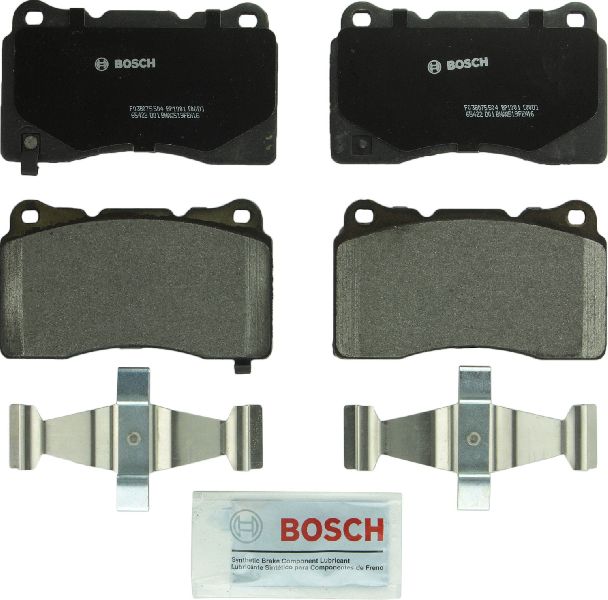
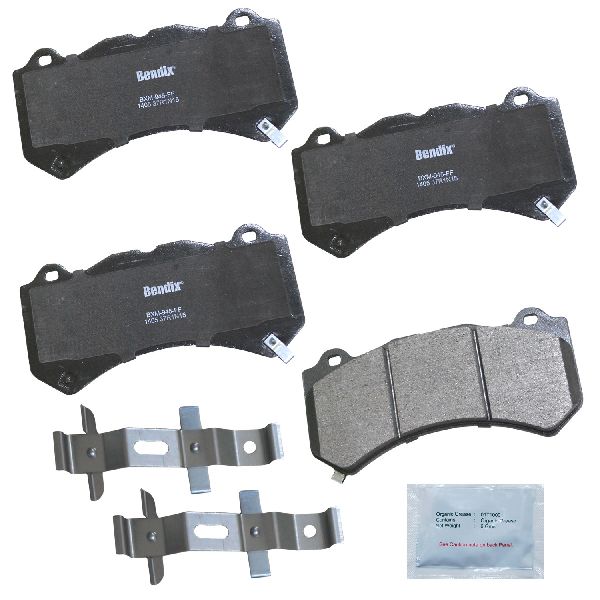
Brake pad material is the key specification. Options include ceramic (for low dust and quiet street use), semi-metallic (for aggressive OEM-style performance), and high-performance compounds (for track use). The choice depends entirely on the vehicle's primary use—street cruising or track performance.
We Have This Part in Stock


The information in this article is provided for general reference and educational purposes only. Vehicle specifications, procedures, and part compatibility can vary by production date, trim level, and region. Always consult your vehicle's factory service manual and verify part numbers before purchasing or performing repairs. Safety-critical components such as airbags, seat belts, and braking systems should be installed by a qualified professional.
- Chevrolet Corvette:
- 🎬 Helpful Videos
- 🛍️ Shop This Part
- Is Something Wrong with Your Corvette's Brakes?
- Common Failure Symptoms:
- Choosing the Right Aftermarket Brake Pads for Your Corvette
- Tier 1: Daily Driver & Low-Dust Champions
- What's the Difference Between Pad Materials?
- Tier 2: High-Performance Street & Occasional Track Use
- Tier 3: Dedicated Track & Racing Pads
- Known Issues, Recalls, and TSBs
- Frequently Asked Questions (FAQ)
- 🎟️ Get 5% Off