

A Practical Guide to the 2015-2025 Mazda 3 Engine Coolant Temperature Sensor
Is your Mazda 3 running rough, getting bad gas mileage, or overheating? Your coolant sensor might be the problem.
- A bad ECT sensor can cause a Check Engine Light, poor gas mileage, rough idle, and overheating.
- For 2014-2017 models, a Check Engine Light with code P2183 often points to a specific, known issue with the No. 2 sensor near the radiator.
- For 2019+ models, slow warm-up and poor heat are likely due to a faulty coolant control valve, not the sensor itself.
- Replacement is a simple DIY task for many owners, typically taking less than an hour with basic tools.
Symptoms of a Failing Coolant Sensor in a Mazda 3

When the Engine Coolant Temperature (ECT) sensor starts to fail, it can cause a variety of problems. Because the sensor's signal is so important, a bad reading can make the car's computer think the engine is colder or hotter than it really is. Here are the most common signs:
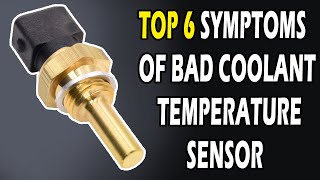
🎬 Watch: 6 common signs of a bad coolant temperature sensor.- Check Engine Light: This is often the first sign. You may see codes like P0117, P0118, or P2183.
- Poor Fuel Economy: The computer might inject too much fuel if it thinks the engine is cold, wasting gas.
- Rough or Unstable Idle: The engine may shake or vibrate at a stop because the fuel mixture is wrong.
- Black Smoke from Exhaust: If the engine runs too rich (too much fuel), unburned fuel can create black smoke in the exhaust.
- Engine Overheating or Running Hot: A bad sensor may not tell the cooling fans to turn on when needed.
- Hard Starting: The wrong fuel mixture at startup can make the engine difficult to start.
Vehicle-Specific Issues for Mazda 3 (2015-2025)

Technical Service Bulletin for 2014-2017 Models
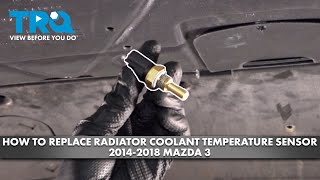
Mazda released a Technical Service Bulletin (TSB 01-011/17) for some 2014-2017 Mazda 3 vehicles. This TSB addresses an issue with the ECT Sensor No. 2, which is located at the bottom of the radiator. This sensor was prone to water getting inside, which caused corrosion and led to a Check Engine Light with code P2183. The fix is to replace it with an updated part that has better water resistance. If you have one of these model years and see this specific code, this is likely the cause.
Is It the Sensor or the Thermostat?
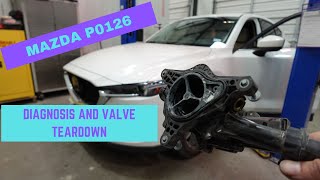
For 2019 and newer Mazda 3 models, a common complaint is the engine taking a very long time to warm up, poor heater performance, and a Check Engine Light with code P0126. While these symptoms seem like a sensor issue, Mazda has identified the cause as a faulty coolant control valve (which contains the thermostat), not the ECT sensor itself. 🎬 See this P0126 diagnosis and coolant control valve teardown. It's important to diagnose the correct part before buying a new sensor.
Choosing the Right Aftermarket Sensor

You don't always need to buy the original factory part. Many aftermarket brands offer good quality, often for less money. For a simple but critical part like the ECT sensor, choosing a quality aftermarket brand is a smart move. Here’s how they generally stack up:
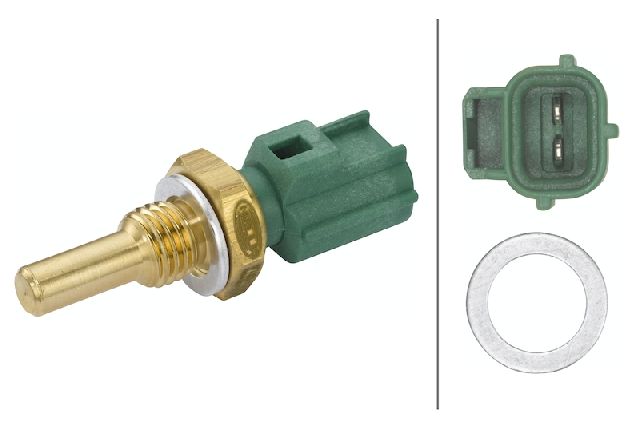
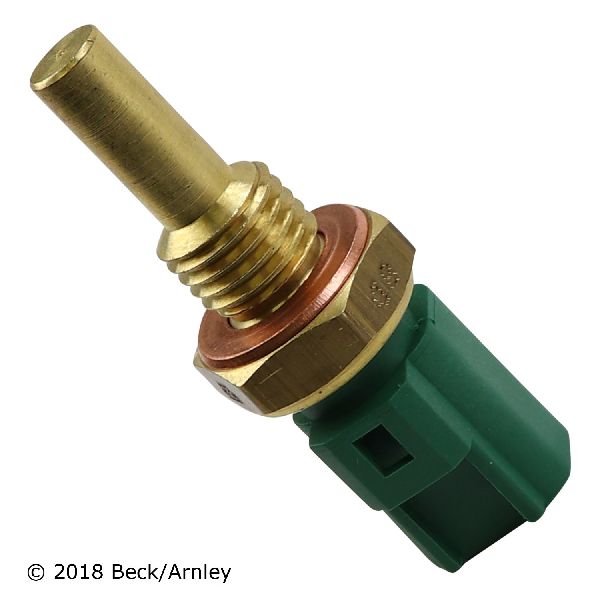
- Premium Aftermarket (OEM-Quality): Brands like Delphi, NGK (NTK), and Hella are known for making parts that meet or exceed original specifications. Delphi, for example, highlights its robust, one-piece design to prevent failures. Beck Arnley is another strong choice, as they focus on sourcing parts that match the form, fit, and function of the original.
- Standard Aftermarket: Brands like Standard Ignition (SMP) and Holstein are reliable, workhorse options that provide good performance for the price. They are a dependable choice for most repairs.
- Budget-Friendly: Brands like Global Parts or other store brands offer the lowest price. They can be a good option if budget is the top priority, but may not have the same long-term durability or precise calibration as premium brands.
Cost to Replace a Mazda 3 Coolant Temperature Sensor
| Part Type | Price Range |
|---|---|
| New OEM (Dealer) | $51 - $64 |
| New Aftermarket | $13 - $48 |
| Shop Labor | $70 - $105 |
Frequently Asked Questions (FAQ)

Where is the ECT sensor located on my Mazda 3?
On the 2014-2018 Mazda 3 with the 2.0L or 2.5L Skyactiv engine, the main ECT sensor is on the driver's side of the engine cylinder head. The ECT Sensor No. 2, mentioned in the TSB, is located at the bottom of the radiator. Locations can vary slightly by year and engine, so always confirm for your specific vehicle.
Can I replace the sensor myself?
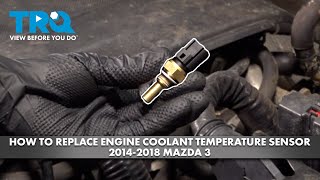
Yes, this is a DIY-friendly job for most people with basic tools. The main sensor 🎬 Watch: How to replace the main ECT sensor yourself. requires removing the engine cover and a small hose for access, then using a 19mm socket to unscrew the old sensor. Always work on a cold engine to avoid burns and pressure release from the cooling system. You will lose a small amount of coolant, so be prepared to top it off afterward.
Do I need to drain the coolant to replace the sensor?
You do not need to drain the entire cooling system. However, the sensor sits in a coolant passage, so when you remove it, some coolant will spill out. Work quickly to minimize the loss and have the new sensor ready to install. Always check and top off the coolant level after the job is done.
What is the difference between the ECT sensor and the ambient air temperature sensor?
The ECT sensor measures the engine coolant temperature. The ambient air temperature sensor measures the temperature of the air outside the car, which is displayed on your dashboard and used by the climate control system. A bad ambient air sensor can cause your A/C to not work properly but will not cause the engine performance issues of a bad ECT sensor.
Helpful Videos
Technical Specifications
OEM Part Numbers: B593-18-840A B593-18-840 PE18-18-840 PE01-18-840
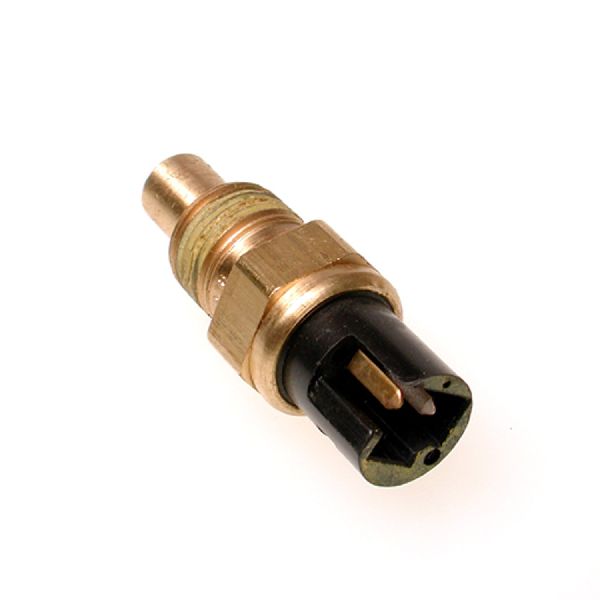
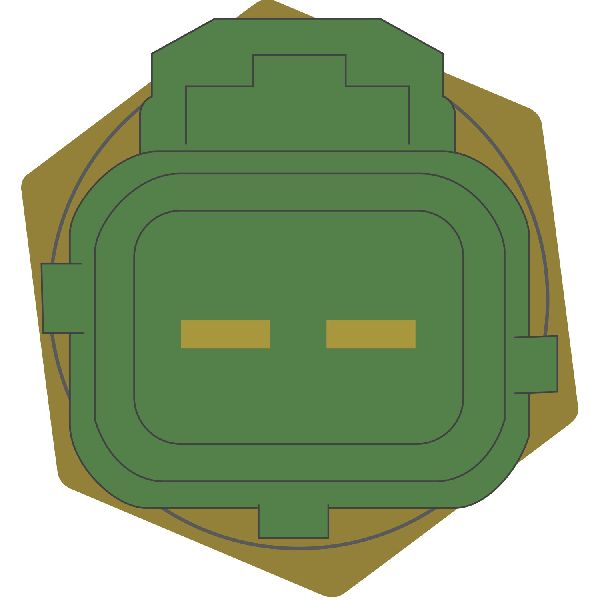
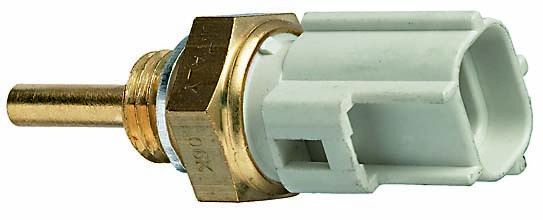
Typically a 2-terminal, blade-style thermistor sensor that screws into a coolant passage. Requires a 19mm socket for removal/installation.
We Have This Part in Stock


The information in this article is provided for general reference and educational purposes only. Vehicle specifications, procedures, and part compatibility can vary by production date, trim level, and region. Always consult your vehicle's factory service manual and verify part numbers before purchasing or performing repairs. Safety-critical components such as airbags, seat belts, and braking systems should be installed by a qualified professional.
- Mazda 3:
- 🎬 Helpful Videos
- 🛍️ Shop This Part
- Symptoms of a Failing Coolant Sensor in a Mazda 3
- Vehicle-Specific Issues for Mazda 3 (2015-2025)
- Technical Service Bulletin for 2014-2017 Models
- Is It the Sensor or the Thermostat?
- Choosing the Right Aftermarket Sensor
- Cost to Replace a Mazda 3 Coolant Temperature Sensor
- Frequently Asked Questions (FAQ)
- 🎟️ Get 5% Off