

Guide to the 2015-2025 Mazda 3 Vapor Canister Purge Solenoid
Understand the common failure symptoms and replacement options for your Mazda 3's purge solenoid.
- A bad purge solenoid is a common cause for a check engine light on a 2015-2025 Mazda 3, often with code P0443.
- Symptoms include a rough idle and difficulty starting the car right after getting gas.
- Before replacing the part, always check that your gas cap is tight and its seal is not cracked.
- Replacement is a simple job for a DIY mechanic and can be completed in under an hour.
Is a Bad Purge Solenoid a Common Problem on the 2015-2025 Mazda 3?

Problems with the evaporative emissions (EVAP) system are not uncommon for Mazda 3s. While many EVAP-related check engine lights can be caused by a simple loose gas cap, a faulty purge solenoid is another frequent culprit. The solenoid can get stuck open or closed, or develop an electrical fault, leading to a variety of symptoms.
Symptoms of a Failing Purge Solenoid

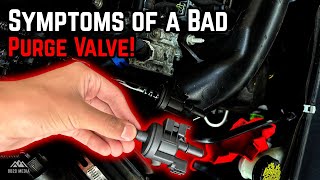
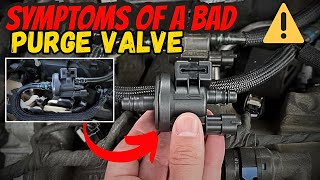
The most common sign of a bad purge solenoid is a Check Engine Light. You may also notice a few performance-related issues:
- Rough Idle: If the valve is stuck open, it can create a vacuum leak, causing your engine to idle poorly or stumble.
- Difficulty Starting After Refueling: A stuck-open valve can allow excess fuel vapors into the engine after you fill up the tank. This can make the engine hard to start right after getting gas.
- Poor Engine Performance: An incorrect air-fuel mixture caused by the faulty valve can lead to sluggish acceleration and general poor performance.
Cost of Replacing a Mazda 3 Purge Solenoid
| Part Type | Cost Range |
|---|---|
| New OEM | $65 - $100 |
| New Aftermarket (Standard Ignition) | $98.85 |
| Shop Labor | $50 - $120 |
Cost estimates are based on national averages and may vary.
Choosing the Right Part: OEM vs. Aftermarket
When it comes to replacing your purge solenoid, you have a choice between Original Equipment Manufacturer (OEM) and aftermarket parts. For the 2015-2025 Mazda 3, the OEM part is a reliable choice. However, reputable aftermarket brands like Standard Ignition offer a quality alternative that meets or exceeds original specifications. Standard Ignition is a long-standing brand in the aftermarket industry, and their parts are often considered a good-quality replacement for OEM components. Given that the purge solenoid is a relatively common failure point, a high-quality aftermarket part from a known brand provides a dependable and cost-effective repair.
Pro Tip: Check the Gas Cap First!
Before you replace the purge solenoid, make sure your gas cap is tight and the seal is in good condition. A loose or faulty gas cap is a very common cause for EVAP system codes like P0456. Tighten the cap until you hear several clicks and inspect the rubber seal for cracks or damage. This simple check can save you from an unnecessary repair.
Known Issues, Recalls, and TSBs
There was a safety recall (NHTSA Campaign Number: 15V584000) for certain 2015-2016 Mazda 3 vehicles related to the fuel system. A defect in the fuel shut-off valve could allow fuel to enter the charcoal canister, potentially causing fuel leaks, engine stalling, and illuminating the check engine light. While this recall does not directly involve the purge solenoid, it affects the same EVAP system. Mazda also issued a Technical Service Bulletin (TSB 01-005/19) for multiple models, including the 2014-2019 Mazda 3, for the code P0456 (very small EVAP leak), noting that the most likely cause is an improperly closed gas cap.
Frequently Asked Questions (FAQ)

Where is the purge solenoid located on a 2015-2025 Mazda 3?
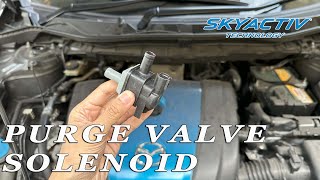
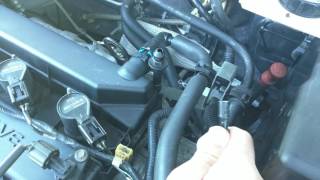
On Mazda 3 models with the Skyactiv engine, the purge solenoid is typically located on the engine itself, near the intake manifold. It's a small, cylindrical component with electrical connectors and two hoses attached. It is generally accessible after removing the engine cover and air cleaner assembly.
Is this a difficult part to replace myself?
For a DIYer with basic tools, this is a very feasible job. The replacement process usually involves disconnecting the battery, removing the engine cover and airbox, unclipping an electrical connector, and detaching two hoses. The part itself is often held by a simple bracket. The entire job can typically be done in under an hour.
What do the common error codes mean?
A code reader can give you valuable clues. P0443 points to a malfunction in the purge control valve circuit itself, such as an electrical issue. P0456 indicates a very small leak in the EVAP system, which could be the purge valve, but is often just a loose gas cap. Other codes like P0441 (Incorrect Purge Flow) can also point to a faulty valve.
Can I keep driving with a bad purge solenoid?
Yes, in most cases, you can continue to drive your car. A bad purge solenoid typically won't leave you stranded. However, you will not be able to pass an emissions test, and you may experience reduced fuel economy and a rough idle. It's best to get it fixed to ensure your car runs efficiently and to turn off that annoying check engine light.
Helpful Videos
Technical Specifications
OEM Part Numbers: PE01-18-740 PE01-18-751
This is an electronically controlled solenoid valve that is part of the engine's EVAP system. It has one electrical connector and ports for two vacuum hoses.
We Have This Part in Stock


The information in this article is provided for general reference and educational purposes only. Vehicle specifications, procedures, and part compatibility can vary by production date, trim level, and region. Always consult your vehicle's factory service manual and verify part numbers before purchasing or performing repairs. Safety-critical components such as airbags, seat belts, and braking systems should be installed by a qualified professional.
- Mazda 3:
- 🎬 Helpful Videos
- 🛍️ Shop This Part
- Is a Bad Purge Solenoid a Common Problem on the 2015-2025 Mazda 3?
- Symptoms of a Failing Purge Solenoid
- Cost of Replacing a Mazda 3 Purge Solenoid
- Choosing the Right Part: OEM vs. Aftermarket
- Pro Tip: Check the Gas Cap First!
- Known Issues, Recalls, and TSBs
- Frequently Asked Questions (FAQ)
- 🎟️ Get 5% Off