

Lexus RC200t Engine Coolant Temperature Sensor Guide for 2016-2017 Models
Don't let a small sensor cause big problems in your RC200t's turbo engine.
- No recalls or widespread TSBs exist for this specific part, so failure is typically due to normal wear.
- Symptoms include a Check Engine Light (P0117/P0118), poor gas mileage, and potential overheating.
- Denso is the OEM supplier; choosing this brand ensures factory-level quality for your repair.
- Replacement is a DIY-friendly task that can be completed in under an hour with basic tools.
Is Your RC200t's Coolant Temp Sensor Failing?
A bad Engine Coolant Temperature (ECT) sensor can cause a surprising number of issues in your Lexus. Because the sensor's reading affects fuel, timing, and cooling, a wrong signal can make the car's computer make bad decisions. This can lead to symptoms that might seem unrelated. Watch for these signs to determine if your ECT sensor is the culprit.
Key Failure Symptoms:
- Check Engine Light: This is the most common sign. The computer will log a fault code like P0117 (circuit low) or P0118 (circuit high) when it sees a signal from the sensor that is out of the expected range.
- Poor Fuel Economy: If the sensor wrongly tells the computer the engine is cold, the ECU will enrich the fuel mixture, causing you to use more gas than necessary.
- Engine Overheating or Running Cool: A bad sensor might fail to trigger the cooling fans when needed, leading to overheating. Conversely, it could send a false hot signal, causing the temperature gauge to read high when the engine is still cold.
- Black Smoke from Exhaust: An overly rich fuel mixture, caused by a false 'cold' signal, may not burn completely, leading to black smoke from the tailpipe.
- Rough Idle or Hard Starting: Incorrect fuel and timing adjustments based on bad temperature data can cause the engine to run rough, hesitate, or be difficult to start, especially when cold.
Choosing the Right Aftermarket Sensor
When replacing the ECT sensor on your RC200t, you have several good options. You don't have to go to the dealer to get a quality part. Aftermarket brands offer a range of choices that balance quality and price.
Aftermarket Brand Tiers
| Tier | Brands | Description |
|---|---|---|
| OEM Supplier | Denso | Denso is a well-known original equipment manufacturer for Toyota and Lexus. Choosing a Denso sensor is the closest you can get to the genuine factory part, ensuring perfect fit and performance. |
| High-Quality Aftermarket | Beck Arnley, Delphi, NGK, Standard Ignition | These brands have a strong reputation for quality. Beck Arnley often sources parts directly from OE manufacturers. Delphi and NGK are also top-tier sensor makers. They meet or exceed OEM specifications and are a reliable choice for a durable repair. |
| Value-Oriented | URO Parts, Facet, Holstein, Motorad | These brands offer a more budget-friendly solution. URO Parts, for example, provides parts that meet OEM specs and often come with a strong warranty, making them a good value proposition. While they are more affordable, they are a viable option for many repairs. |
No Recalls or Widespread Issues Found
Searches of the National Highway Traffic Safety Administration (NHTSA) database and technical service bulletins (TSBs) did not reveal any specific recalls or common failure patterns for the engine coolant temperature sensor on the 2016-2017 Lexus RC200t. While fuel pump recalls exist for these model years, they are unrelated to the cooling system. This suggests that sensor failure is not a widespread defect but rather a part that can fail over time like any other electronic component.
Frequently Asked Questions (FAQ)
Is replacing the ECT sensor a DIY job?
Yes, for most owners with basic tools, this is a manageable DIY task. The sensor is typically located on the engine block or cylinder head. On some Lexus models, you may need to remove the plastic engine cover and air intake components to gain access. The job involves unplugging the electrical connector, unscrewing the old sensor, and quickly installing the new one. The entire process can usually be done in under an hour.
Do I need to drain the coolant to replace the sensor?
You don't have to drain the entire system. If you work quickly, you can swap the old sensor for the new one with minimal coolant loss. Have the new sensor ready to go. When you remove the old one, a small amount of coolant will spill, so place a drain pan underneath and be prepared to plug the hole with the new sensor immediately. Topping off the coolant reservoir afterward is usually all that's needed.
What's the difference between an ECT sensor and a temperature sender?
They are often confused, and sometimes they are integrated into one unit. The Engine Coolant Temperature (ECT) sensor sends information to the car's computer (ECU) to control engine functions. The coolant temperature sender (or sending unit) relays information to the temperature gauge on your dashboard. In many modern cars like your Lexus, a single sensor performs both functions.
Should I buy the cheapest sensor available?
While budget-friendly options can work, the ECT sensor provides critical data to the engine computer. An inaccurate or poor-quality sensor can negatively affect performance and fuel economy. Investing in a reputable brand like Denso, Beck Arnley, or Delphi is recommended for long-term reliability and peace of mind.
Technical Specifications
OEM Part Numbers: 89422-35010
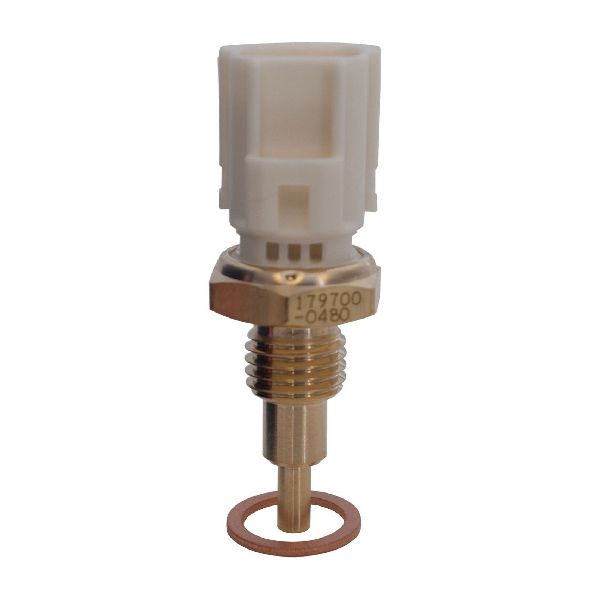
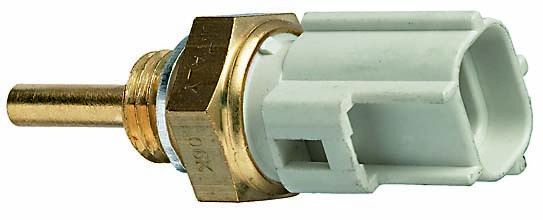
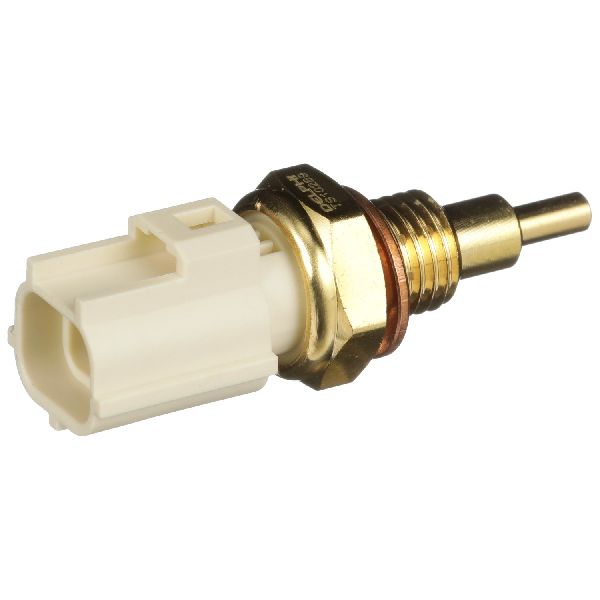
The sensor is a thermistor that changes resistance based on coolant temperature. It typically has a 2-pin electrical connector.
We Have This Part in Stock


The information in this article is provided for general reference and educational purposes only. Vehicle specifications, procedures, and part compatibility can vary by production date, trim level, and region. Always consult your vehicle's factory service manual and verify part numbers before purchasing or performing repairs. Safety-critical components such as airbags, seat belts, and braking systems should be installed by a qualified professional.
- Lexus RC200t: