

A Guide to Replacing Disc Brake Pads on Your 2016-2018 Audi A3 Sportback e-tron
Learn how regenerative braking affects your pad choice and why the rear brake service is unique on your e-tron.
- Your A3 e-tron's brake pads last much longer than normal due to regenerative braking, so inspect them before assuming they need replacement.
- Replacing the rear brake pads requires a special electronic scan tool to retract the parking brake motors; this is not an optional step.
- Choose ceramic pads from brands like Akebono or Wagner for low dust and quiet operation, or semi-metallic pads from Bosch or Textar for an OEM feel.
- Brake noise is a known issue addressed by Audi TSBs; using high-quality pads with new hardware can help prevent it.
Signs Your Brake Pads Need Replacing

Even with the extended life from regenerative braking, your A3 e-tron's brake pads will eventually wear out. Watch for these common symptoms:
- Brake Warning Light: Your dashboard will display a warning message when the electronic brake pad wear sensors are tripped. This is the most direct indicator.
- Squealing or Screeching: A high-pitched noise when you apply the brakes often comes from the built-in wear indicators on the pads, signaling they are low.
- Grinding Noises: A loud, harsh grinding or growling sound means the pads are completely worn away. The metal backing plate is now grinding against the brake rotor, causing severe damage. Stop driving immediately if you hear this.
- Reduced Stopping Power: If you notice it takes longer to stop or you have to press the brake pedal harder, the pads may be worn or contaminated.
How Your A3 e-tron is Different: Regenerative Braking

The single most important factor for your A3 e-tron's brakes is the regenerative system. In many driving situations, the electric motor does the bulk of the braking. This means your friction brake pads can last much longer than the typical 30,000-60,000 miles. Some owners report going over 90,000 miles on their original pads. However, this reduced use can sometimes lead to other issues, like brake noise from lack of use or surface rust on rotors, which is often harmless.
Special Tools Required for Rear Brakes
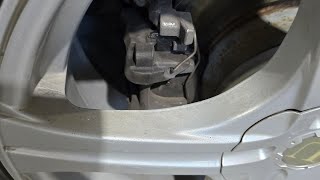
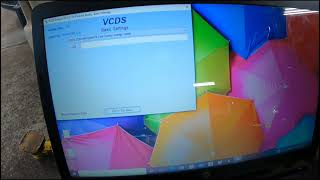
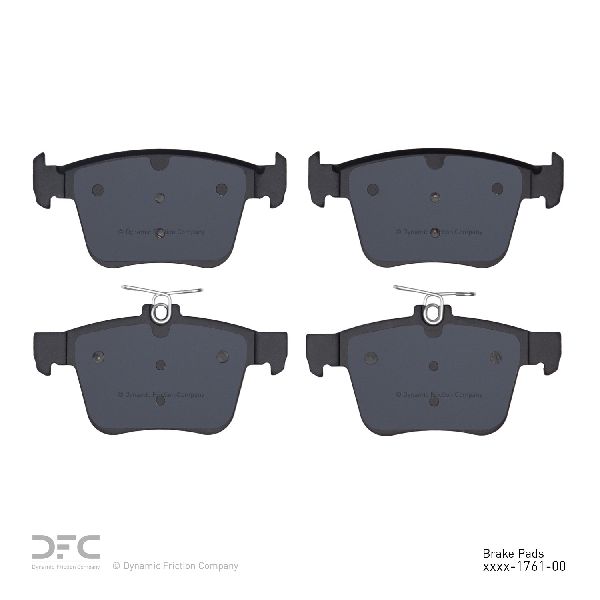
The 2016-2018 A3 e-tron has an Electronic Parking Brake (EPB). You cannot simply push the rear caliper pistons back like on older cars. You must use a compatible diagnostic scan tool (like VCDS or OBDeleven) to put the rear brakes into 'Service Mode' or 'Brake Pad Replacement Mode'. 🎬 Watch: How to put your Audi in service mode. Attempting to compress the piston without doing this will damage the electronic motors inside the calipers, leading to a much more expensive repair.
Choosing the Right Aftermarket Brake Pads

Aftermarket pads offer more choices than the single option from the dealer. They generally fall into three categories, allowing you to tailor your brakes to your driving style and preferences.
OEM-Equivalent Brands
These pads are designed to restore the original performance, feel, and noise levels of your Audi. They are an excellent choice if you are happy with how the car performed from the factory. The original pads are typically a semi-metallic compound.
- Bosch: A well-regarded German brand that often supplies original parts to manufacturers. Their aftermarket pads are known for quality and consistency.
- Brembo: Famous for performance brakes, their standard replacement pads provide an OEM-equivalent experience and are a trusted choice.
- Textar: Often a direct Original Equipment Manufacturer (OEM) for Audi, choosing Textar is like getting the dealer part without the dealer box.
- Pagid: Another OEM supplier known for its quality and adherence to factory specifications.
Performance Upgrade Brands
If you want more initial bite, better resistance to brake fade during aggressive driving, or are a performance enthusiast, these brands are a great step up. They may produce slightly more noise or dust as a trade-off.
- Hawk Performance: Offers several compounds like HPS (High Performance Street) and HPS 5.0, which provide a noticeable increase in stopping power over stock.
- StopTech: A popular choice for street performance, offering a good balance of improved braking without being too aggressive for daily driving.
- Brembo XTRA: This line from Brembo is designed as a performance upgrade over their standard replacement pads.
Daily Driver & Low-Dust Brands
These pads, often made from ceramic compounds, are focused on quiet operation and, most importantly, reducing the amount of black brake dust that accumulates on your wheels. The trade-off can sometimes be a slightly less sharp initial bite compared to semi-metallic pads.
- Akebono: A leader in clean and quiet ceramic brake pads.
- Wagner Brakes: Known for their ThermoQuiet line, which focuses on noise reduction and reliable daily-driver performance.
- Centric: Offers a wide range of pads, including their Posi-Quiet line which is popular for its value and low noise/dust characteristics.
- Dynamic Friction: Provides quality ceramic and semi-metallic options designed to meet or exceed OE standards for fit and function.
Known Issues, Recalls, and TSBs
While there are no major recalls specifically for the brake pads on the 2016-2018 A3 e-tron, Audi has issued several Technical Service Bulletins (TSBs) related to brake noise. Specifically, TSBs A4621252054385_2 and others address creaking or squeaking noises during low-speed braking. This indicates that brake noise can be a characteristic of the vehicle, but using high-quality pads and proper installation with new hardware and lubrication can help minimize it.
Estimated Replacement Costs
| Part Type | Price Range (Per Axle Set) |
|---|---|
| New Aftermarket Brake Pads | $39 - $201 |
| New OEM Brake Pads | $60 - $150 |
| Shop Labor Cost | $150 - $400 |
Pro Tip: Replace Hardware and Rotors
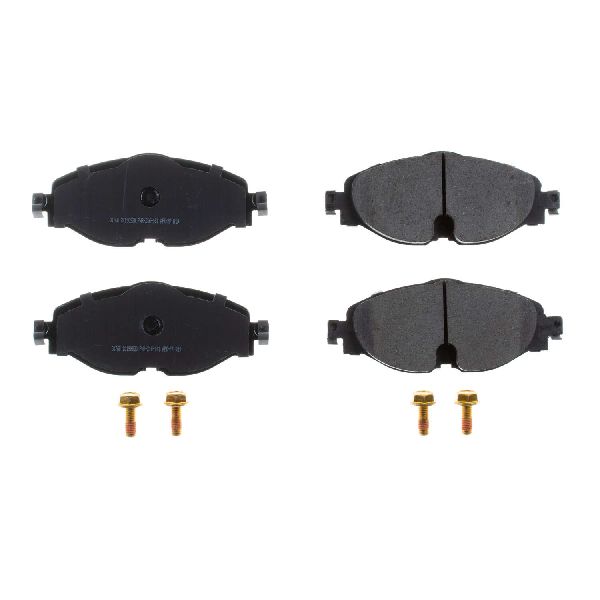
For the best results, always use new anti-rattle clips and guide pin bolts, which often come included with better aftermarket pad sets. Also, inspect your brake rotors. If they are worn below their minimum thickness, have a large lip on the edge, or show signs of heavy scoring, they should be replaced at the same time as the pads for optimal performance and safety.
Frequently Asked Questions (FAQ)

How does regenerative braking affect how often I need to change my pads?
It extends the life dramatically. Because the electric motor handles most of the light to moderate braking, the physical brake pads are used far less. It is not uncommon for A3 e-tron owners to go 80,000 miles or more before needing their first brake job.
Can I really not change the rear brake pads without a special tool?
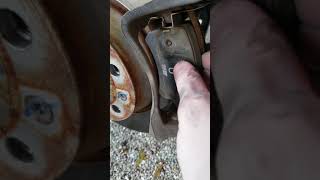
That is correct. The rear calipers have integrated electronic parking brake motors. You must use a compatible scan tool to electronically retract these motors before you can press the piston back. Attempting to force the piston will destroy the motor. 🎬 Watch: Using OBDeleven for a rear brake service DIY. The front brakes do not have this system and can be changed using conventional tools.
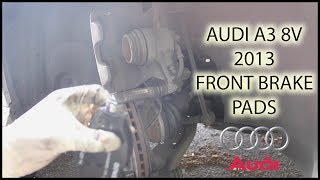
🎬 See this walkthrough for changing your front brake pads.What's the difference between ceramic and semi-metallic pads for my Audi?
Semi-metallic pads, similar to what Audi uses from the factory, offer a strong initial bite and excellent heat dissipation. Their main downside is producing more visible black dust. Ceramic pads are engineered for quiet operation and produce a lighter-colored, less noticeable dust, keeping your wheels cleaner. The choice depends on whether you prioritize performance feel or cleanliness.
Should I replace front and rear pads at the same time?
Not necessarily. Front brakes typically handle more of the braking force and tend to wear out faster than the rears. However, with the e-tron's unique regenerative system, wear can be more even. Replace pads on an axle-by-axle basis as needed, based on inspection or when the wear sensor light comes on.
Helpful Videos
Technical Specifications
OEM Part Numbers: 5Q0698151AM (Front) 8V0698151G (Front) 5Q0698451N (Rear) 5Q0698451AD (Rear)
The 2016-2018 Audi A3 Sportback e-tron uses disc brakes on all four wheels. The front axle uses a single-piston sliding caliper. The rear axle uses a single-piston sliding caliper with an integrated Electronic Parking Brake (EPB) motor. Both front and rear axles are equipped with electronic brake pad wear sensors.
We Have This Part in Stock
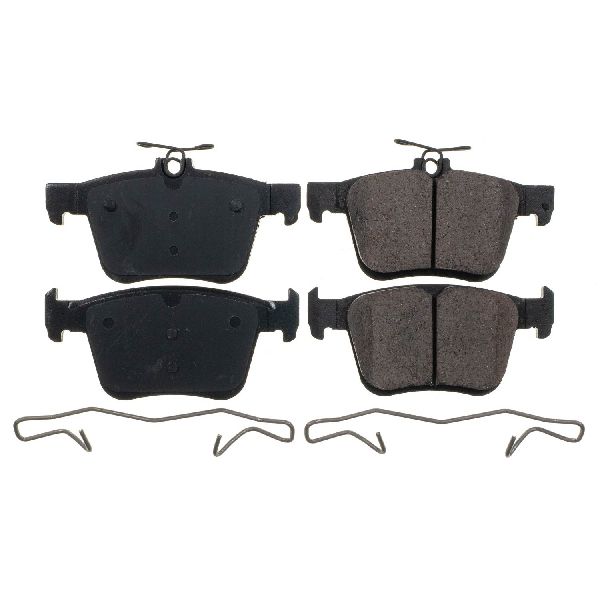
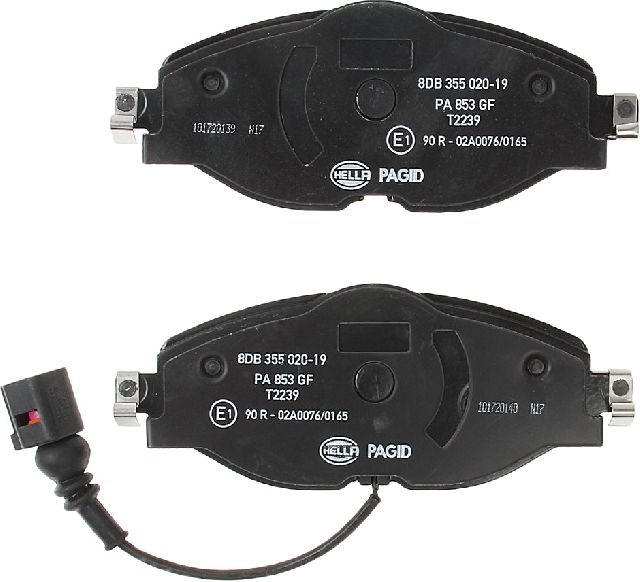
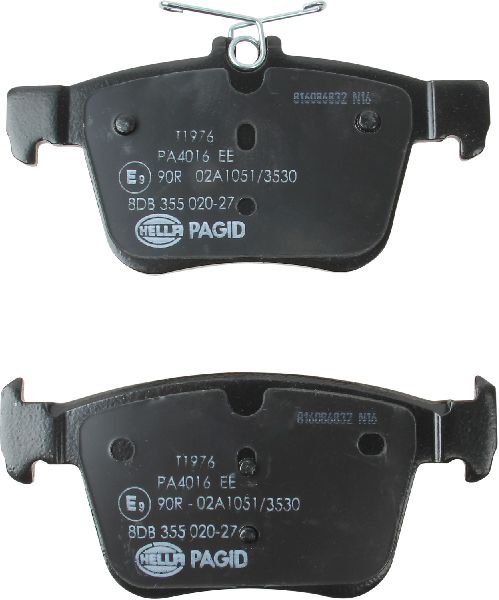
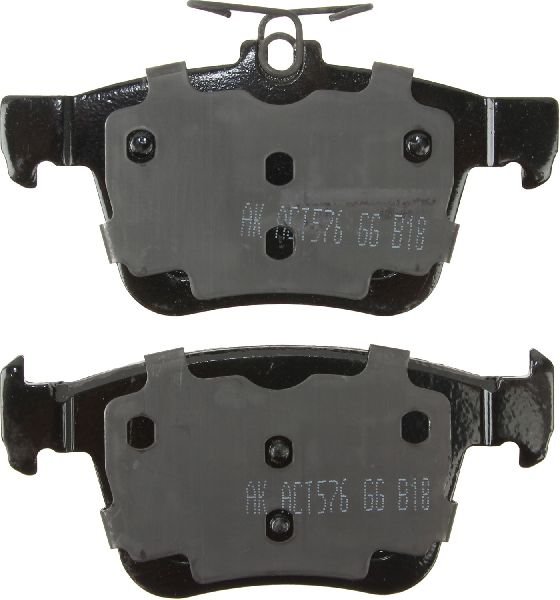

The information in this article is provided for general reference and educational purposes only. Vehicle specifications, procedures, and part compatibility can vary by production date, trim level, and region. Always consult your vehicle's factory service manual and verify part numbers before purchasing or performing repairs. Safety-critical components such as airbags, seat belts, and braking systems should be installed by a qualified professional.
- Audi A3 Sportback e-tron:
- 🎬 Helpful Videos
- 🛍️ Shop This Part
- Signs Your Brake Pads Need Replacing
- How Your A3 e-tron is Different: Regenerative Braking
- Special Tools Required for Rear Brakes
- Choosing the Right Aftermarket Brake Pads
- OEM-Equivalent Brands
- Performance Upgrade Brands
- Daily Driver & Low-Dust Brands
- Known Issues, Recalls, and TSBs
- Estimated Replacement Costs
- Pro Tip: Replace Hardware and Rotors
- Frequently Asked Questions (FAQ)
- 🎟️ Get 5% Off