

A Guide to Replacing the Radiator in Your 2016-2020 Ford Explorer
Keep your Explorer's engine cool and prevent overheating by understanding when and how to replace a failing radiator.
- Overheating can also be caused by a faulty water pump or failed active grille shutters, so proper diagnosis is key.
- Aftermarket brands like CSF, Denso, and Spectra offer a good balance of quality and value compared to the more expensive OEM Motorcraft part.
- Replacing the radiator is a moderately difficult DIY job; it involves removing the cooling fans and sometimes the front bumper cover.
- While replacing the radiator, it's a good practice to also replace the thermostat and radiator hoses to prevent future issues.
Is Your Explorer's Radiator Failing?

A bad radiator is a serious problem that can leave you stranded. If your Explorer's engine overheats, it can cause major damage. Watch for these common signs of a failing radiator.
- Engine Overheating: The most obvious sign is the temperature gauge on your dashboard climbing into the red zone. This often happens in stop-and-go traffic or when idling.
- Coolant Leaks: You might see puddles of bright green, pink, or orange fluid under the front of your vehicle. The plastic tanks on the sides of the radiator can become brittle and crack over time, causing leaks.
- Low Coolant Light: A frequent need to top off your coolant reservoir is a strong indicator of a leak somewhere in the system, with the radiator being a common culprit.
- Visible Damage or Corrosion: Look at the radiator through the grille. If you see bent fins, corrosion, or grime buildup, its ability to cool effectively is reduced.
Overheating Can Be Caused by Other Issues
While the radiator is a common cause, overheating in the 2016-2020 Explorer can also be due to a failed water pump, a bad thermostat, or issues with the active grille shutters. Some owners report the active grille shutter actuator breaking, causing the shutters to stay closed and block airflow to the radiator. It's important to diagnose the problem correctly before replacing parts.
Choosing a New Aftermarket Radiator

When replacing your radiator, you have a choice between an original equipment (OEM) part from Motorcraft or an aftermarket part. Aftermarket radiators often provide similar quality at a better price. They are designed to be a direct fit, meaning no modifications are needed for installation.
Aftermarket Brand Tiers
The brands available offer a range of quality and price points. Here’s a general breakdown:
- Premium Brands (CSF, Koyorad, Denso): These brands are well-regarded for their quality, often meeting or exceeding OEM specifications. CSF, for example, uses high-quality materials and rigorous testing processes, including vibration, thermal cycle, and burst pressure tests. They are a solid choice for owners who want long-term reliability.
- Standard Brands (Spectra, APDI): Brands like Spectra are popular in the aftermarket and offer a good balance of quality and value. They are designed to fit and function like the original part and are a reliable choice for daily driving.
- Economy Brands (Replacement, One Stop Solutions, Global Parts): These are the most budget-friendly options. While they will get the job done, they may not have the same level of construction quality or longevity as premium or standard brands. They are a viable option if the cost is your primary concern.
Check the Connections
Your Explorer's radiator has connections for the main coolant hoses and smaller lines for the transmission fluid cooler, which is integrated into the radiator. Ensure your new radiator has the correct fittings for your specific model and engine type. Most aftermarket radiators are designed as direct-fit replacements with the proper connections.
Radiator Replacement Cost for 2016-2020 Ford Explorer

The cost of replacing the radiator can vary based on the parts you choose and labor rates in your area. Doing the job yourself can save a significant amount on labor.
| Part/Service | Estimated Cost |
|---|---|
| New Aftermarket Radiator | $57 - $443 |
| New OEM (Motorcraft) Radiator | $225 - $500+ |
| Shop Labor | $350 - $600 |
| Total Professional Replacement | $407 - $1100+ |
Frequently Asked Questions

Are there any recalls for the 2016-2020 Explorer radiator?
There are no specific recalls for the radiator itself. However, there have been recalls and customer satisfaction programs for related cooling system components. One program (21N01) addresses a faulty high-speed cooling fan relay on 2016-2018 models, which could cause the fan to fail and lead to overheating at idle. Another recall (25SA4) for some 2016-2023 models involves the engine block heater, which can crack and leak coolant.
How difficult is it to replace the radiator myself?
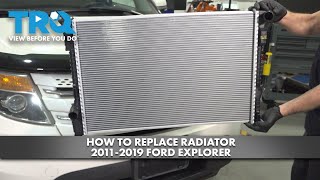
Replacing the radiator on a 2016-2020 Explorer is a moderately difficult job that can take a few hours. It requires draining the cooling system, disconnecting hoses and transmission cooler lines, removing the cooling fans, and potentially removing the front bumper cover to access all the mounting bolts. While it's feasible for a DIYer with mechanical experience and the right tools, a novice may find it challenging.
Should I replace the thermostat and hoses with the radiator?
Yes, it is highly recommended. Since you'll have the cooling system drained and accessible, it's the perfect time to replace the thermostat, upper and lower radiator hoses, and hose clamps. These parts are relatively inexpensive and wear out over time. Replacing them all at once provides peace of mind and helps prevent future cooling system failures.
What type of coolant does the 2016-2020 Ford Explorer use?
The 2016-2020 Ford Explorer requires Motorcraft Orange Prediluted Antifreeze/Coolant. After 2019, Ford began transitioning to a Yellow coolant. Always check your owner's manual or the coolant reservoir cap to confirm the correct type for your vehicle. Using the wrong coolant can cause damage to the cooling system.
Helpful Videos


Technical Specifications
OEM Part Numbers: F2GZ8005A FB5Z8005A GB5Z8005A 8L2Z-8005-A
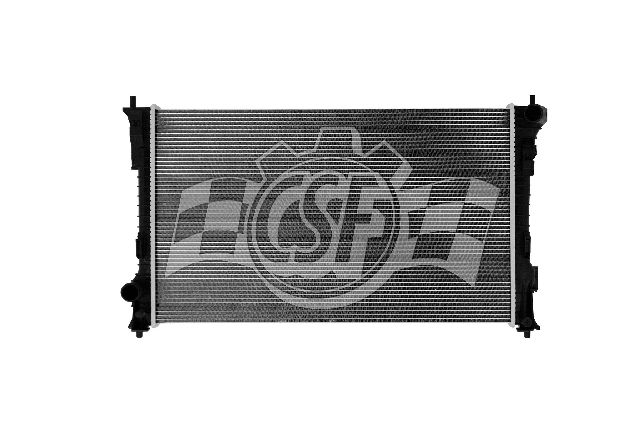
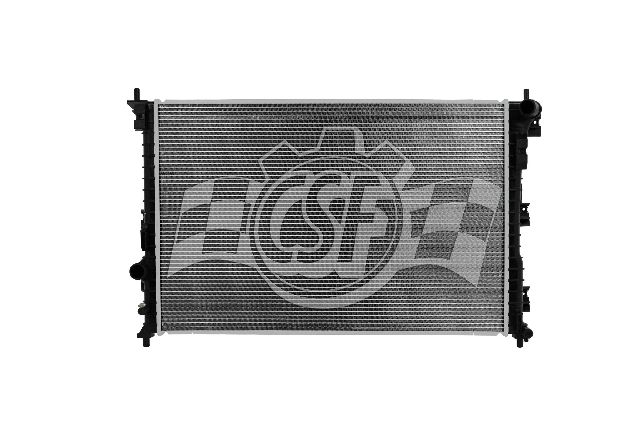
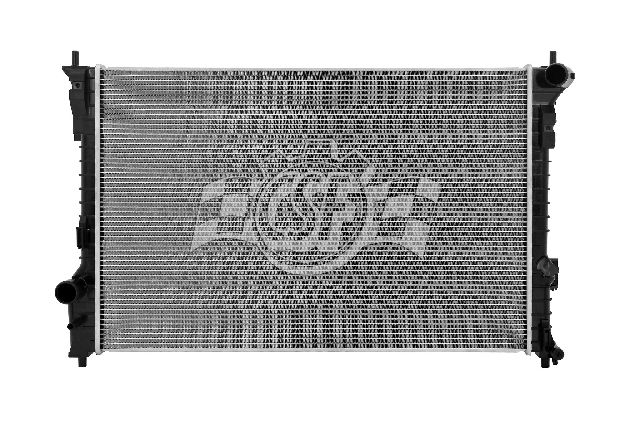
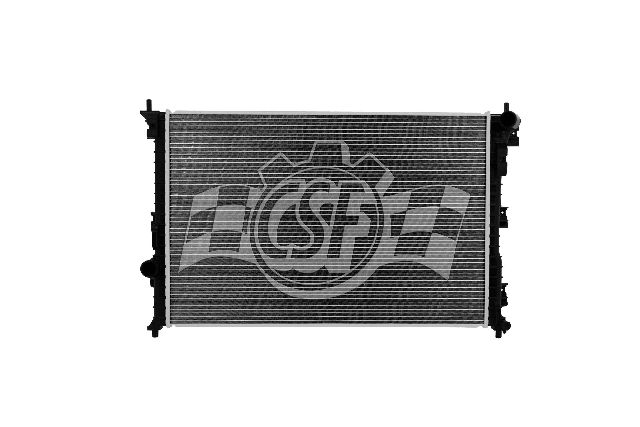
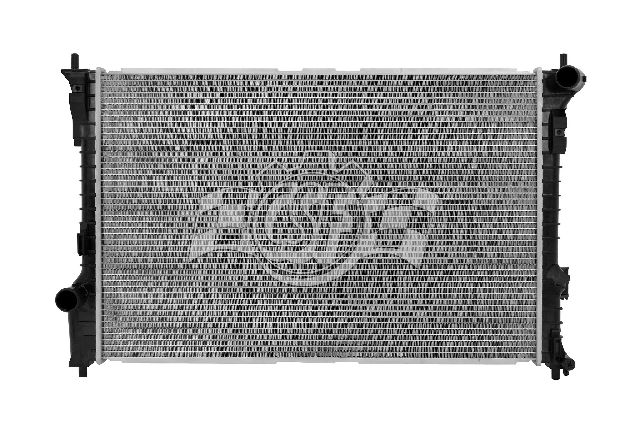
The radiator for the 2016-2020 Ford Explorer is a cross-flow type, typically constructed with an aluminum core and plastic end tanks. It includes an internal transmission oil cooler with quick-connect fittings. Dimensions and hose placement vary slightly depending on the engine (2.3L Turbo or 3.5L V6).
We Have This Part in Stock


The information in this article is provided for general reference and educational purposes only. Vehicle specifications, procedures, and part compatibility can vary by production date, trim level, and region. Always consult your vehicle's factory service manual and verify part numbers before purchasing or performing repairs. Safety-critical components such as airbags, seat belts, and braking systems should be installed by a qualified professional.
- Ford Explorer: