

A Guide to Replacing Oxygen Sensors on Your 2016-2020 Kia Optima
Understand the symptoms of a failing oxygen sensor and learn how to choose the right aftermarket replacement for your Optima.
- Your 2016-2020 Optima has two O2 sensors; use a scanner to identify which one is faulty before buying.
- Ignoring a bad O2 sensor can lead to a damaged catalytic converter, a much more expensive repair.
- Denso and NGK (NTK) are highly recommended aftermarket brands as they are often the original equipment suppliers.
- Replacing an O2 sensor is a manageable DIY task with the right tool (an O2 sensor socket).
Is Your Kia Optima's Oxygen Sensor Failing?

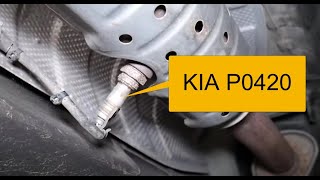
A bad oxygen sensor can cause a range of problems, from annoying to severe. The most common sign is the check engine light turning on. You might also notice your fuel economy getting worse, the engine idling roughly, or hesitating when you accelerate. In some cases, you may smell a rotten egg or sulfur odor from the exhaust, which indicates a problem that could damage your expensive catalytic converter if ignored. 🎬 Learn how a bad sensor can trigger catalytic converter codes. Continuing to drive with a bad O2 sensor can lead to poor engine performance and potentially costly repairs down the line.
Don't Ignore a Failing O2 Sensor
While you can drive with a bad oxygen sensor, it's not recommended for long. An incorrect air-fuel mixture can cause the engine to run too rich (too much fuel), which can eventually clog and destroy the catalytic converter—a much more expensive repair.
Choosing the Right Aftermarket Oxygen Sensor

When replacing an oxygen sensor on your Optima, you don't have to buy the expensive OEM part from the dealer. High-quality aftermarket brands often provide the same performance for less money. For the 2016-2020 Kia Optima, some brands are known to be original equipment suppliers, making them a reliable choice.
- Top Tier (OEM Equivalent): Brands like Denso and NGK (NTK) are often the original equipment manufacturers for many vehicles, including Kia. Choosing one of these brands is the closest you can get to the factory part's quality and fit, ensuring compatibility and longevity.
- Trusted Aftermarket Brands: Bosch is a well-known pioneer in oxygen sensor technology and offers a wide range of direct-fit sensors. While some forum users prefer to stick with the original Japanese brands like Denso or NTK for their Asian vehicles, Bosch is generally considered a reliable option. Walker Products is another established aftermarket brand.
- Budget-Friendly Options: Brands like DriveWire and Encore Automotive offer more affordable solutions. While they may be a good choice for those on a tight budget, their long-term durability may not match that of the top-tier brands. Always ensure they are listed as a "direct-fit" to avoid wiring complications.
How Many Oxygen Sensors Does My 2016-2020 Optima Have?

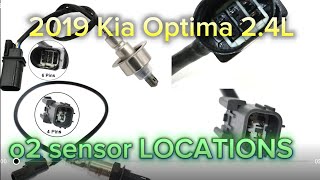
Your Kia Optima with a 4-cylinder engine (like the 2.4L or 2.0T) has two oxygen sensors in its exhaust system.
- Upstream Sensor (Bank 1, Sensor 1): Located on the exhaust manifold before the catalytic converter. It is the primary sensor for adjusting the air-fuel ratio.
- Downstream Sensor (Bank 1, Sensor 2): Located after the catalytic converter. Its job is to monitor the converter's performance. 🎬 See exactly where both sensors are located on your Optima.
Cost of Replacing an Oxygen Sensor on a 2016-2020 Kia Optima
| Part / Service | Estimated Cost |
|---|---|
| New Aftermarket Oxygen Sensor | $69 - $218 |
| New OEM Oxygen Sensor | $150 - $300+ |
| Shop Labor | $75 - $150 |
| Total (DIY) | $69 - $218 |
| Total (at a Shop) | $144 - $468+ |
Note: Costs are estimates and can vary based on your location, specific part, and the repair shop's labor rates.
Frequently Asked Questions

Can I replace the oxygen sensor myself?
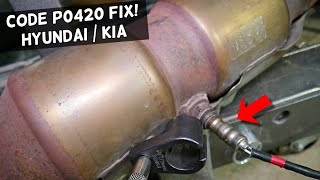
Yes, this is a DIY-friendly job for many. 🎬 Watch this step-by-step guide to replacing your O2 sensor. The upstream sensor is usually easy to access at the top of the exhaust manifold. The downstream sensor requires safely jacking up the car. The main challenge can be removing the old sensor, which may be seized due to heat and rust. Using penetrating oil and a special oxygen sensor socket will make the job much easier.
What tools do I need to replace an O2 sensor?
You will need a special oxygen sensor socket, which has a slot for the wire to pass through. You'll also need a ratchet, possibly an extension, and penetrating oil to help loosen the old sensor. For the downstream sensor, you will need a jack and jack stands to safely lift the vehicle.
Should I replace both sensors at the same time?
It is not strictly necessary to replace both at once. However, since they have a similar lifespan, it is often recommended. If one has failed due to age, the other may not be far behind. Replacing only the failed sensor is acceptable if you are on a budget.
Are there any recalls for the 2016-2020 Kia Optima oxygen sensor?
As of now, there are no specific recalls issued by the NHTSA for the oxygen sensors on the 2016-2020 Kia Optima. There have been other recalls for this vehicle range, including for engine fire risk and software issues, but none directly target the oxygen sensors. Always check the NHTSA website with your VIN for the most current information.
Helpful Videos
Technical Specifications
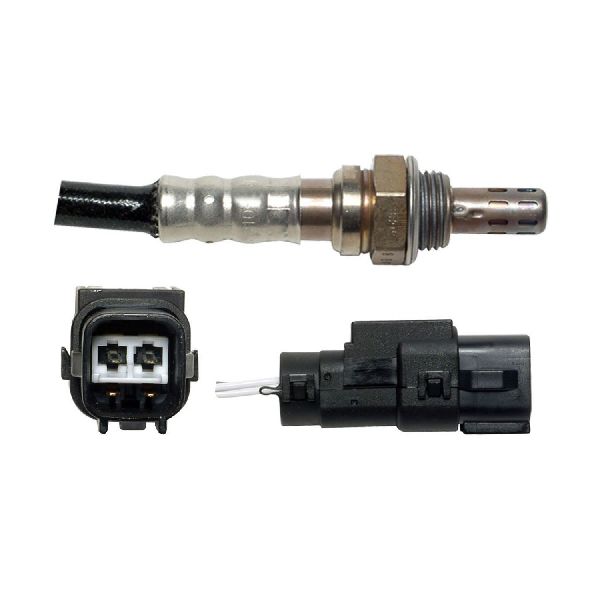
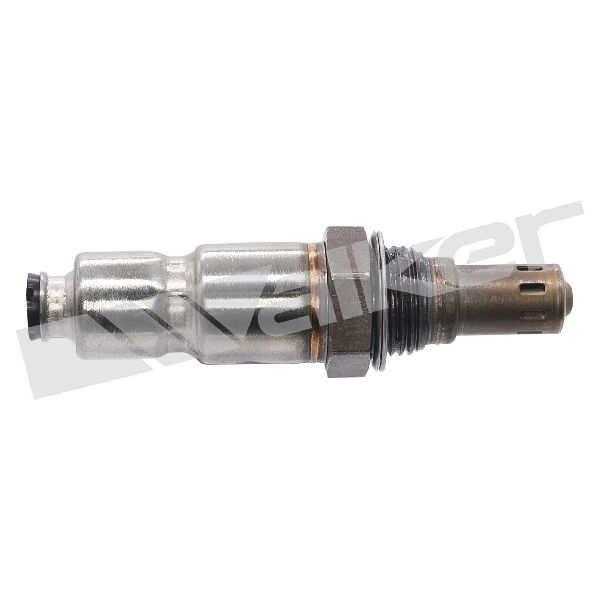
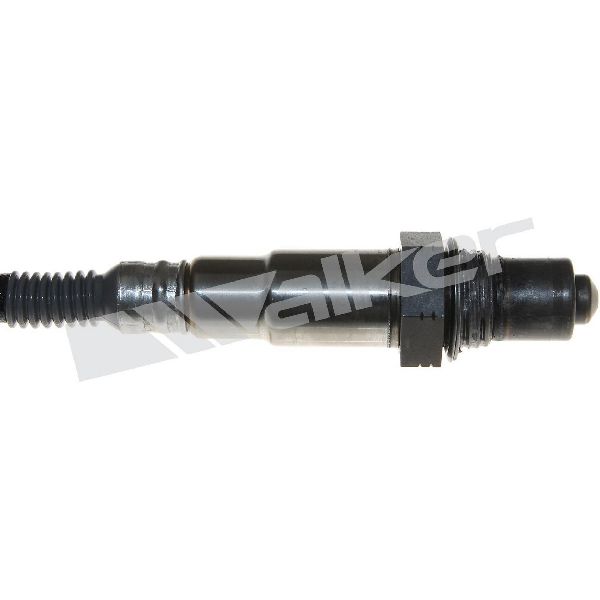
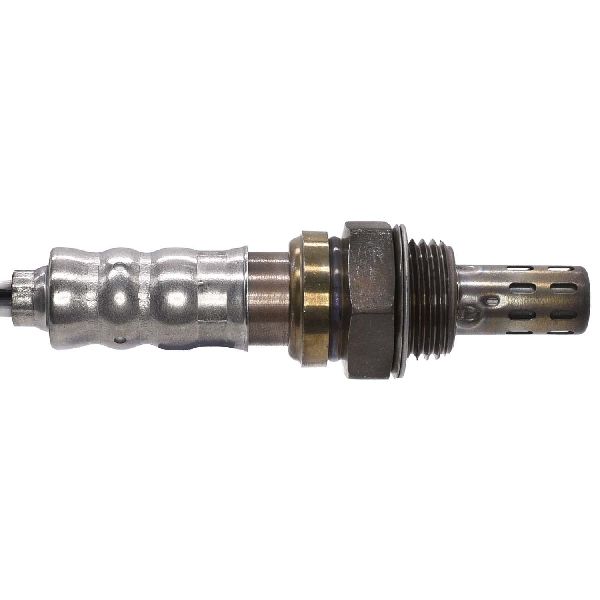
Most 2016-2020 Kia Optima models use a 4-wire heated oxygen sensor. The upstream sensor is often a wideband type (sometimes 5-wire), while the downstream is a switching type. Always verify the specific part for your engine (2.4L, 2.0T, or 1.6T) before purchase.
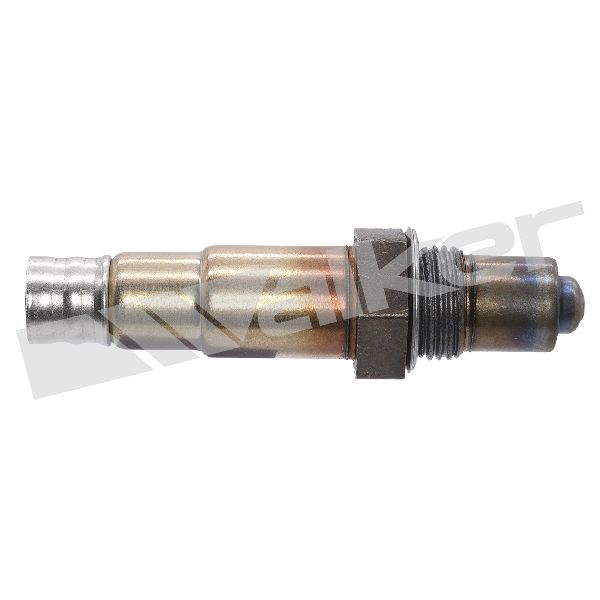
We Have This Part in Stock


The information in this article is provided for general reference and educational purposes only. Vehicle specifications, procedures, and part compatibility can vary by production date, trim level, and region. Always consult your vehicle's factory service manual and verify part numbers before purchasing or performing repairs. Safety-critical components such as airbags, seat belts, and braking systems should be installed by a qualified professional.
- Kia Optima:
- 🎬 Helpful Videos
- 🛍️ Shop This Part
- Is Your Kia Optima's Oxygen Sensor Failing?
- Don't Ignore a Failing O2 Sensor
- Choosing the Right Aftermarket Oxygen Sensor
- How Many Oxygen Sensors Does My 2016-2020 Optima Have?
- Cost of Replacing an Oxygen Sensor on a 2016-2020 Kia Optima
- Frequently Asked Questions
- 🎟️ Get 5% Off