

A Guide to Replacing the Steering Tie Rod End on a 2016-2020 Kia Optima
If your Optima's steering feels loose or makes noise, a bad tie rod end could be the reason.
- A bad tie rod end on your Optima will cause loose steering, clunking noises, and uneven tire wear.
- An alignment is mandatory after replacement to prevent unsafe handling and ruining your tires.
- It's best to replace both the left and right outer tie rod ends at the same time for balanced performance.
- A clicking noise from the steering column is likely the MDPS coupler, not the tie rod end.
Is Your Kia Optima's Steering Acting Up? Signs of a Failing Tie Rod End
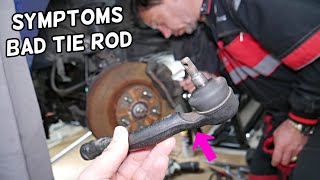
A worn-out tie rod end on your 2016-2020 Kia Optima will give you clear warning signs. The most common symptom is a loose or shaky feeling in the steering wheel. You might feel like you have to constantly correct the wheel to keep the car driving straight, or the steering may feel less responsive than usual. Another major sign is a knocking or clunking sound coming from the front wheels, especially when you turn at low speeds or drive over bumps. You may also feel these clunks through the steering wheel. Finally, take a look at your front tires. Uneven wear, where the inside or outside edge of the tire is wearing down faster than the rest, is a classic sign that a bad tie rod has thrown your alignment out of whack.
Choosing the Right Aftermarket Tie Rod End
When replacing a tie rod end, you don't have to buy the original Kia part. Aftermarket parts offer a wide range of quality and price. For your Optima, brands can be grouped into general tiers based on reputation and materials.
| Brand Tier | Brands | General Assessment |
|---|---|---|
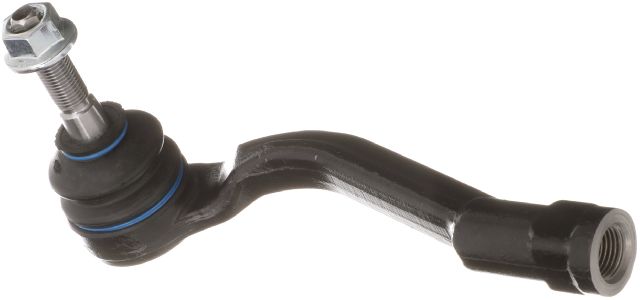
| Premium | Delphi, Moog | Delphi is widely seen as a top-tier brand with quality that often meets or exceeds original parts. Moog has a long history as a high-quality brand, known for strong, often greaseable designs, though some users in forums feel their quality has become less consistent recently. |
| Standard / Mid-Grade | Mevotech | Mevotech offers a balance of quality and price. Their quality can be inconsistent, but some mechanics report their parts for Kia vehicles are a good fit, and their premium lines are well-regarded. |
| Economy | Dorman, Suspensia | These brands provide a cost-effective solution for daily driving. Dorman is a widely available option, though quality can be hit-or-miss according to user reviews. Suspensia is a budget-friendly choice. |
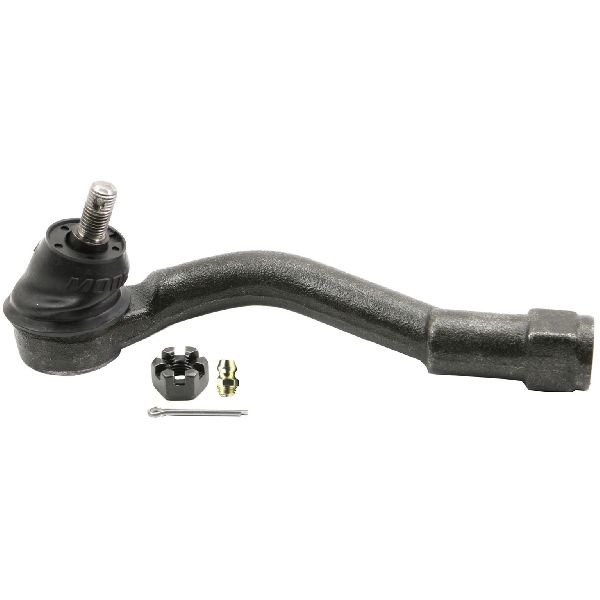
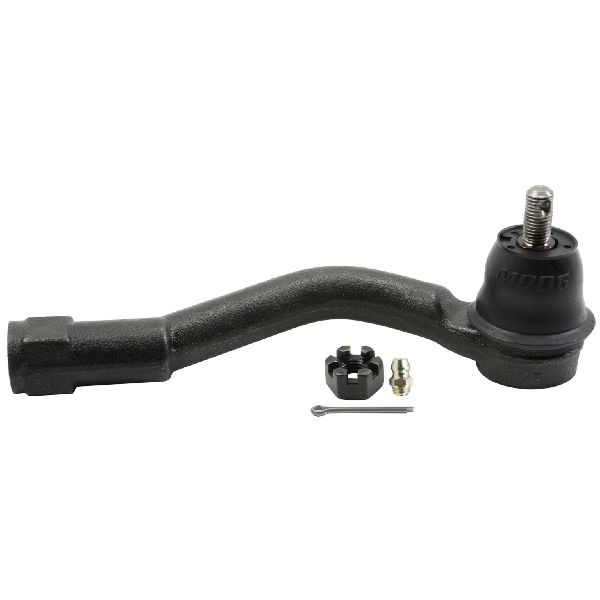
Pro Tip: Many professional-grade aftermarket tie rods from brands like Moog feature a grease fitting. This allows you to add new grease periodically, which can flush out contaminants and extend the life of the part. Original Kia parts are typically sealed and not greaseable.
Known Issues for 2016-2020 Kia Optima Steering
While searching for tie rod issues, you may see many owners discussing a "clicking" or "clunking" noise from the steering column. This is often caused by a worn MDPS flexible coupler, a small, inexpensive part inside the power steering motor. This is a very common issue on many Kia and Hyundai vehicles. If your noise seems to come from inside the car or directly from the steering column when you turn the wheel (even when stopped), it is more likely the coupler than the tie rod ends. 🎬 Watch: How to fix that common Kia steering column clunking noise. There are no specific recalls for the tie rod ends on the 2016-2020 Optima.
Frequently Asked Questions (FAQ)
Do I need a wheel alignment after replacing a tie rod end?
Yes, absolutely. Replacing a tie rod end will change your vehicle's wheel alignment. You must get a professional alignment done immediately after the repair. Skipping this step will cause poor handling and rapid, uneven tire wear.
Should I replace tie rod ends in pairs?
It is highly recommended. If one tie rod end has worn out due to age and mileage, the other side is likely not far behind. Replacing them in pairs ensures even steering response and saves you the cost of a second alignment down the road.
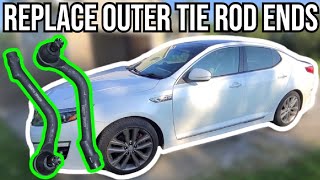
🎬 See this step-by-step walkthrough for replacing your Optima's tie rods.Is it the inner or outer tie rod end that usually fails?
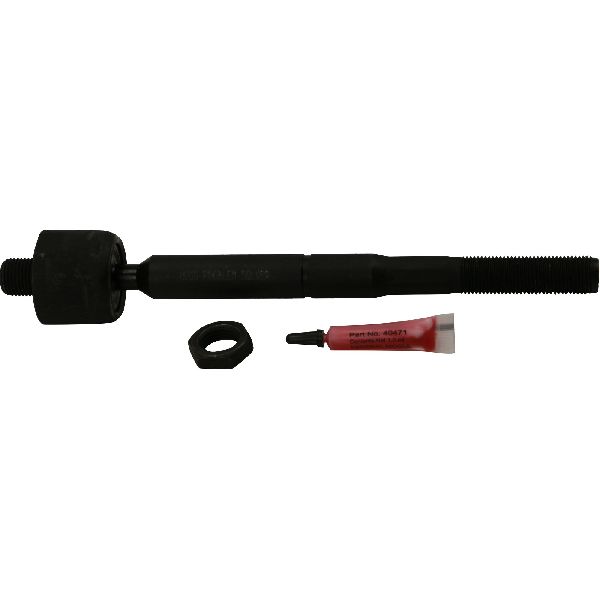
The outer tie rod end is the part that fails most often. It has a more exposed ball joint that does more work. The inner tie rod is usually only replaced if it was damaged in an accident or if the outer tie rod's failure caused it to wear out.
Can I tell the difference between a bad tie rod and a bad ball joint?
The symptoms are very similar (clunking, loose steering). A mechanic can diagnose it by lifting the car and checking for play. When shaking the wheel side-to-side, play usually indicates a bad tie rod end. When shaking it top-to-bottom, play often points to a bad ball joint.
Helpful Videos
Technical Specifications
OEM Part Numbers: 56825-C1090 (Outer, RH) 57724-D4000 (Inner)
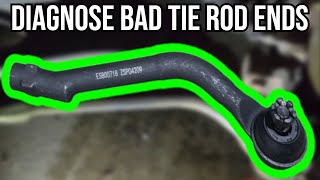
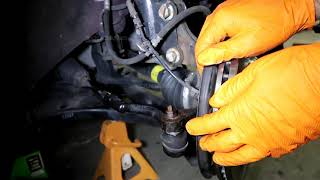
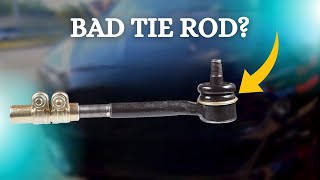
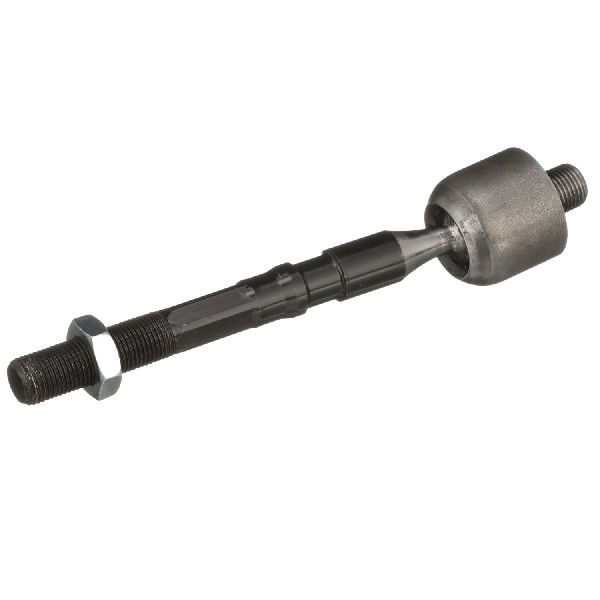
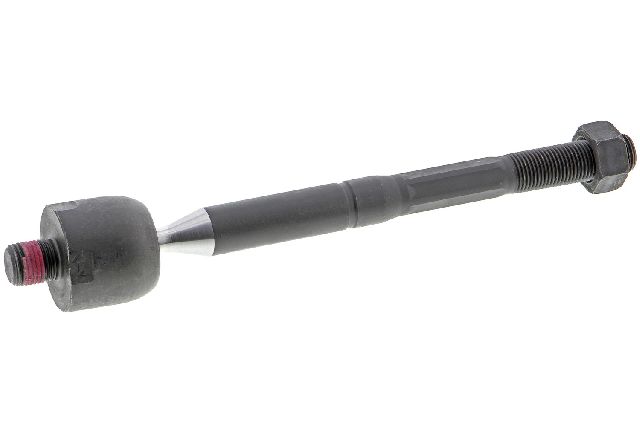
The outer tie rod end connects to the steering knuckle via a ball-and-socket joint, secured with a castle nut and cotter pin. The inner end threads onto the inner tie rod shaft, secured by a jam nut.
We Have This Part in Stock

The information in this article is provided for general reference and educational purposes only. Vehicle specifications, procedures, and part compatibility can vary by production date, trim level, and region. Always consult your vehicle's factory service manual and verify part numbers before purchasing or performing repairs. Safety-critical components such as airbags, seat belts, and braking systems should be installed by a qualified professional.
- Kia Optima: