

Lexus GS F (2016-2020) Engine Coolant Temperature Sensor Guide
Understanding the signs of a failing coolant sensor and how to choose the right aftermarket replacement for your high-performance sedan.
- A failing ECT sensor can cause a Check Engine Light (P0117, P0118), poor fuel economy, and an inaccurate temp gauge.
- For the best results, choose a Denso brand aftermarket sensor, as they are the original equipment manufacturer for Lexus.
- While the part is affordable, professional replacement costs can be high ($468-$571) due to labor charges.
- Driving with a bad sensor is not recommended, as it can lead to poor performance, high fuel consumption, or even engine overheating.
Is Your Lexus GS F Showing Signs of a Bad Coolant Temp Sensor?
A failing Engine Coolant Temperature (ECT) sensor can cause a range of confusing issues that might not immediately point to a small, inexpensive sensor. Because the sensor's data impacts so many engine functions, a bad signal can make the car behave erratically. Recognizing these symptoms early can prevent further complications and keep your GS F running smoothly.
Common Failure Symptoms
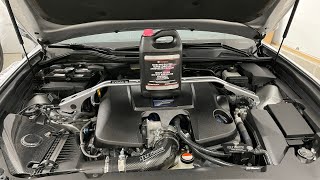
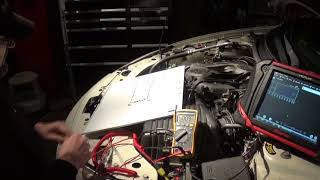
- Check Engine Light: The most obvious sign is a Check Engine Light on your dashboard. Common codes associated with a faulty ECT sensor are P0115, P0117 (low input), and P0118 (high input). 🎬 Watch: A detailed diagnosis of P0117 and P0118 codes.
- Poor Fuel Economy: If the sensor incorrectly tells the ECU that the engine is cold, the system will enrich the fuel mixture, causing you to use more gas than necessary.
- Inaccurate Temperature Gauge: The gauge on your instrument cluster may read unusually high, unusually low, or not move at all, even after the engine has warmed up.
- Black Smoke from Exhaust: A rich fuel mixture from a bad sensor reading can lead to unburnt fuel exiting through the exhaust, appearing as black smoke.
- Rough Idle or Misfires: Incorrect fuel and timing adjustments can cause the engine to run rough, especially when idling.
- Engine Overheating: If the sensor fails to report that the engine is getting hot, the cooling fans may not turn on when needed, leading to potential overheating.
Choosing the Right Aftermarket Sensor for Your GS F
When it comes to electronic sensors for a high-end vehicle like the Lexus GS F, part quality is crucial. While an OEM sensor from a Lexus dealer is always an option, the aftermarket offers several excellent choices, often at a better price. For Lexus vehicles, many owners and mechanics recommend sticking as close to the original manufacturer as possible.
Brand Quality Tiers
Not all aftermarket brands are created equal. Here’s a breakdown of the brands available for your GS F, tiered by reputation and suitability for a Lexus.
- Tier 1 (OEM Supplier / Highly Recommended): Denso. Denso is a well-known original equipment manufacturer for Toyota and Lexus. Choosing a Denso sensor is often the same as buying the genuine Lexus part without the dealership packaging and price. For reliability, Denso is the top aftermarket choice.
- Tier 2 (Reputable Aftermarket): Beck Arnley, Delphi, NGK, Standard Ignition (SMP), Vemo. These brands have a solid reputation in the aftermarket. Beck Arnley is known for sourcing parts from OEM suppliers. Delphi is another major OEM manufacturer for various car brands. NGK and Standard Ignition are trusted names in engine management parts. These are reliable alternatives if a Denso part is unavailable.
- Tier 3 (Value-Oriented): Facet, Four Seasons, Global Parts, Holstein, Motorad, URO Parts. These brands typically offer the most budget-friendly options. While they can be a viable solution, for a critical sensor on a performance vehicle, it's generally recommended to invest in a Tier 1 or Tier 2 brand for long-term peace of mind and performance.
Replacement Cost Breakdown
The cost to replace the ECT sensor can vary significantly depending on whether you do it yourself or have a shop perform the work. The part itself is relatively inexpensive, but labor can be a major factor.
| Cost Category | Estimated Price Range |
|---|---|
| New Aftermarket Part | $13.46 - $82.60 |
| New OEM Part (Lexus) | ~$249 |
| Shop Labor Cost | $220 - $322 |
| Total Professional Replacement | $468 - $571 |
Frequently Asked Questions (FAQ)
Where is the Engine Coolant Temperature Sensor located on the 2016-2020 GS F?
The ECT sensor on the Lexus 2UR-GSE engine is typically located on a coolant passage near the back of the engine, often underneath the intake manifold area. Access can be tight, and may require removing the engine cover and air intake components to reach it.
Is it difficult to replace the ECT sensor myself?
For a DIYer with basic tools, the replacement is feasible. It involves disconnecting the electrical connector, unscrewing the old sensor, and quickly installing the new one to minimize coolant loss. However, given the sensor's location on the GS F, it can be challenging to access. If you are not comfortable working in tight spaces, professional installation is recommended. The estimated difficulty is low to moderate depending on your experience.
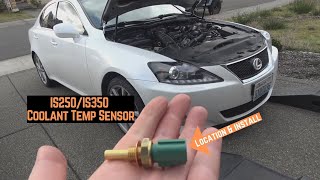
🎬 See this walkthrough for removing and installing the sensor.Are there any recalls or TSBs for the GS F coolant sensor?
As of now, there are no specific recalls or Technical Service Bulletins (TSBs) from Lexus for the Engine Coolant Temperature Sensor on the 2016-2020 GS F. There are recalls related to the fuel pump, but not the cooling system sensors.
🎬 Watch: How to replace the water pump and thermostat on the 2UR-GSE.Why is the OEM part so much more expensive than aftermarket?
The significant price difference is common. You are paying for the Lexus brand name, dealership overhead, and the guarantee of a part that came in a Lexus box. However, since a brand like Denso is the likely original manufacturer, you can get the same quality for a fraction of the price by buying the Denso-branded aftermarket part.
Helpful Videos


Technical Specifications
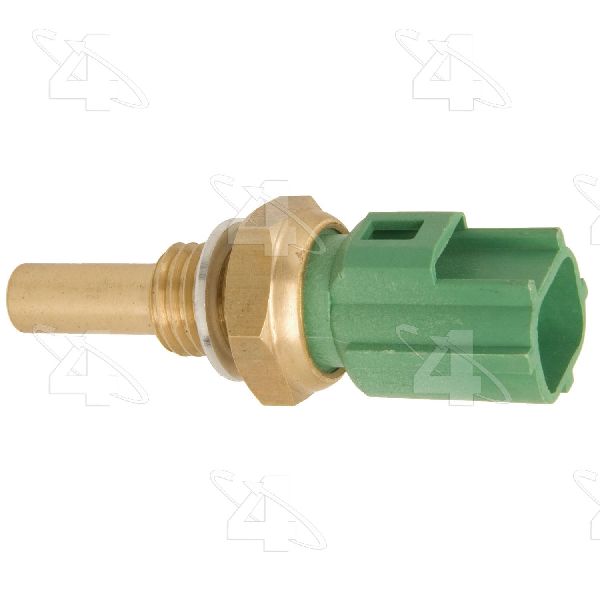
OEM Part Numbers: 89422-33030
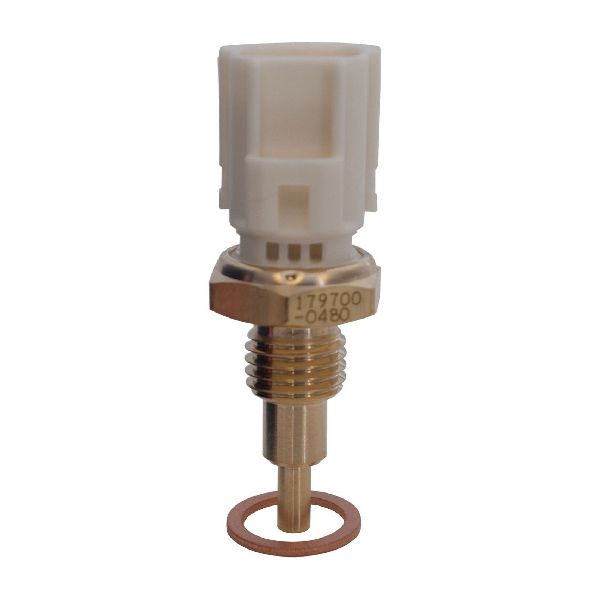
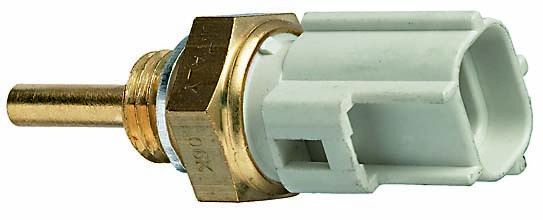
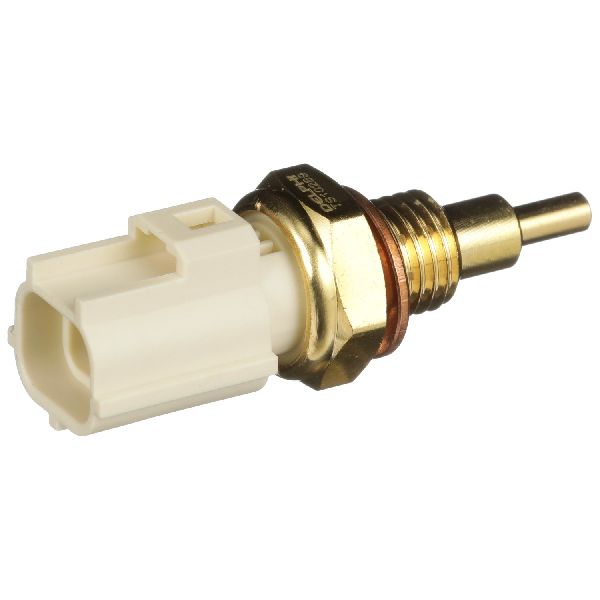
2-pin female connector, threaded body. Transmits coolant temperature to the ECU.
We Have This Part in Stock


The information in this article is provided for general reference and educational purposes only. Vehicle specifications, procedures, and part compatibility can vary by production date, trim level, and region. Always consult your vehicle's factory service manual and verify part numbers before purchasing or performing repairs. Safety-critical components such as airbags, seat belts, and braking systems should be installed by a qualified professional.
- Lexus GS F: