

Volkswagen Golf Engine Mount Guide (2016-2021): Symptoms and Replacement
Experiencing vibrations or clunking noises in your VW Golf? Your engine mounts might be the culprit.
- Vibration at idle and clunking noises are the most common signs of a bad engine mount on a 2016-2021 Golf.
- The passenger-side mount is hydraulic; look for fluid leaks as a sure sign of failure.
- For best results and to avoid excessive vibration, choose an OEM-equivalent brand like Corteco over budget options.
- Always replace the single-use stretch bolts when changing an engine mount.
Is Your Golf Shaking? Understanding Engine Mount Failure

The engine mounts on the Mk7 generation Volkswagen Golf are robust, but they do wear out over time. They are made of rubber and are often filled with hydraulic fluid to dampen vibrations. Over many miles and years, the rubber can crack, and the fluid can leak out, causing the mount to collapse or fail. This is a common wear item, and symptoms will gradually worsen, letting you know it's time for a replacement.
Known Issues & Recalls
As of early 2026, there are no specific recalls or widespread Technical Service Bulletins (TSBs) from Volkswagen for engine mount failure on the 2016-2021 Golf. However, failure is a well-documented issue in owner forums, particularly on higher-mileage vehicles. Some owners report dealers diagnosing "collapsed" mounts, which occurs when the internal fluid leaks out and the mount can no longer support the engine's weight properly.
Symptoms of a Bad Engine Mount on a VW Golf

When an engine mount fails, the engine can move excessively, leading to several noticeable symptoms. The most common is a significant increase in vibration felt inside the car, especially at idle.
- Vibration at Idle: A strong vibration felt through the steering wheel, seats, and dashboard when the car is stopped in gear is a primary symptom.
- Clunking or Thumping Noises: You might hear a distinct "clunk" or "thud" when you accelerate, decelerate, or shift gears. This is the sound of the engine assembly moving and hitting other components.
- Engine Movement: If you have a helper, you can observe the engine while the car is in gear with the brake firmly applied. If the engine lurches or rocks more than an inch 🎬 Watch: See a side-by-side comparison of bad vs. good mounts. or two when the gas is briefly applied, a mount is likely bad.
- Visible Leaks: The passenger-side mount on these vehicles is hydraulic. Look for dark, oily fluid on the mount itself or on the subframe directly below it. This is a clear sign of failure.
Choosing the Right Aftermarket Engine Mount

When replacing your Golf's engine mounts, you have a choice between OEM (Original Equipment Manufacturer) and aftermarket parts. For a daily-driven vehicle where comfort is key, sticking close to OEM quality is important. Cheap aftermarket mounts are known to cause even more vibration than the worn-out original part.
| Brand Tier | Brands | Quality & Performance Assessment |
|---|---|---|
| OEM-Equivalent | Corteco, Lemförder | Corteco is often considered an Original Equipment (OE) supplier for Volkswagen, meaning they may have made the original part for VW. Their mounts are designed to match the original part's vibration-damping characteristics and are a top choice for retaining factory ride quality. Lemförder is another high-quality German brand often trusted for these applications. |
| Standard Aftermarket | URO Parts, Anchor | These brands provide a more budget-friendly option. URO Parts quality can be inconsistent, but they are a common aftermarket choice. Anchor is a well-known budget brand; however, many mechanics and DIYers report that their mounts can be too stiff or fail prematurely, leading to increased cabin vibration. For a component so critical to ride comfort, these are generally recommended only if budget is the absolute primary concern. |
A Note on Performance Mounts
You may see "performance" or polyurethane engine mounts advertised. While these are great for track cars because they lock the engine down for better throttle response, they transmit significantly more noise, vibration, and harshness (NVH) into the cabin. For a daily driver, it's best to stick with OEM-style rubber or hydraulic mounts to maintain comfort.
Frequently Asked Questions (FAQ)

How many engine mounts does a 2016-2021 Golf have?
The VW Golf typically has three main mounts: one on the passenger side (engine mount), one on the driver's side (transmission mount), and a lower mount often called a "dogbone" mount that prevents the engine from rocking. The passenger-side mount is the most common one to fail and cause vibration issues.
Do I need to replace all engine mounts at once?
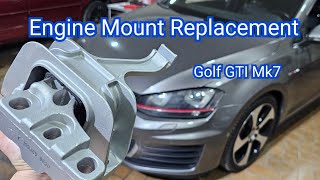
It's a good practice, but not always necessary. When one mount fails, it puts extra stress on the others, which can cause them to fail sooner. If you are paying for labor, it can be cost-effective to replace them all at the same time. If you are doing the work yourself, you can replace them as they fail, starting with the one that has clearly failed 🎬 See this step-by-step walkthrough for replacing the passenger-side mount. (e.g., leaking fluid).
Are the bolts reusable?
No. Volkswagen uses torque-to-yield (TTY) bolts, also known as stretch bolts, for the engine mounts. These bolts are designed for one-time use and must be replaced whenever they are removed to ensure safety and proper clamping force.
What is the "dogbone" mount?
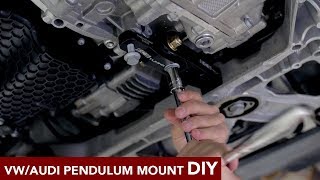
The dogbone mount, or pendulum mount, is located at the bottom of the engine and connects to the subframe. It primarily controls the forward-and-back rocking motion of the engine. While failure of this mount is less common than the side mounts, performance inserts are a popular upgrade for enthusiasts looking for sharper throttle response, though they can increase vibration.
🎬 Watch: How to install a dogbone mount or performance insert.Helpful Videos
Technical Specifications
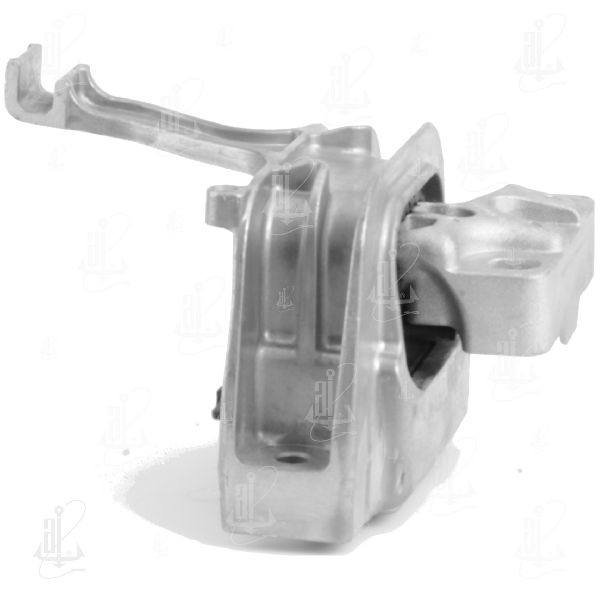
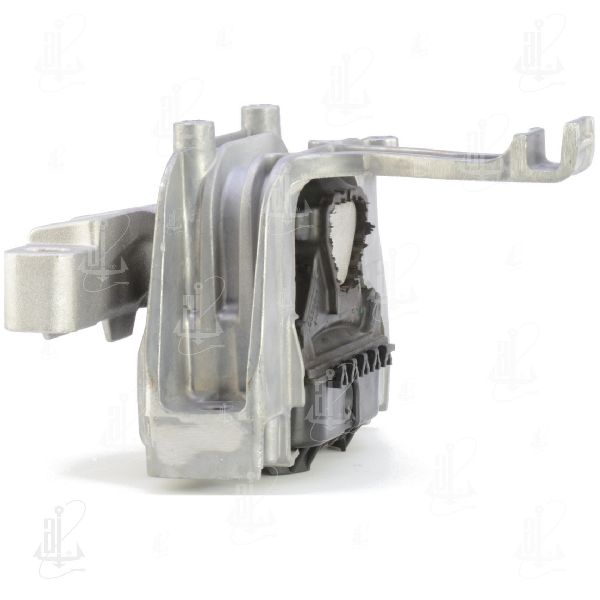
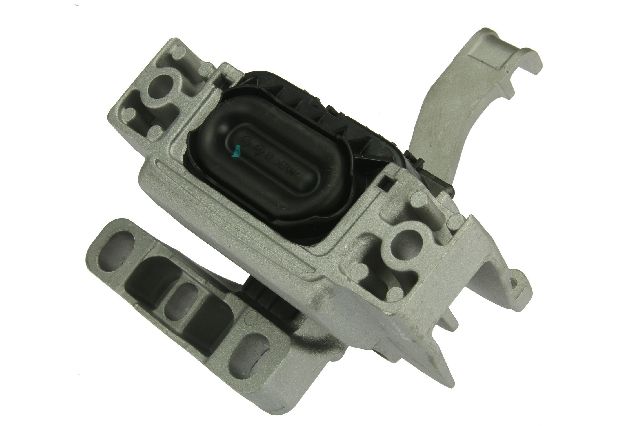
OEM Part Numbers: 5Q0199262BN 5Q0199262BQ 5Q0199262CM
The primary mount that fails is the passenger-side hydraulic engine mount. The bolts are torque-to-yield (TTY) and must be replaced.
We Have This Part in Stock


The information in this article is provided for general reference and educational purposes only. Vehicle specifications, procedures, and part compatibility can vary by production date, trim level, and region. Always consult your vehicle's factory service manual and verify part numbers before purchasing or performing repairs. Safety-critical components such as airbags, seat belts, and braking systems should be installed by a qualified professional.
- Volkswagen Golf: