

Ford Expedition (2016-2022) Cylinder Head Temperature Sensor: A Complete Guide
Understanding the temperature sensor on your 3.5L EcoBoost engine and why it might not be the cause of your gauge problems.
- For erratic temperature gauge spikes, investigate the thermostat and check for air in the cooling system before replacing the sensor.
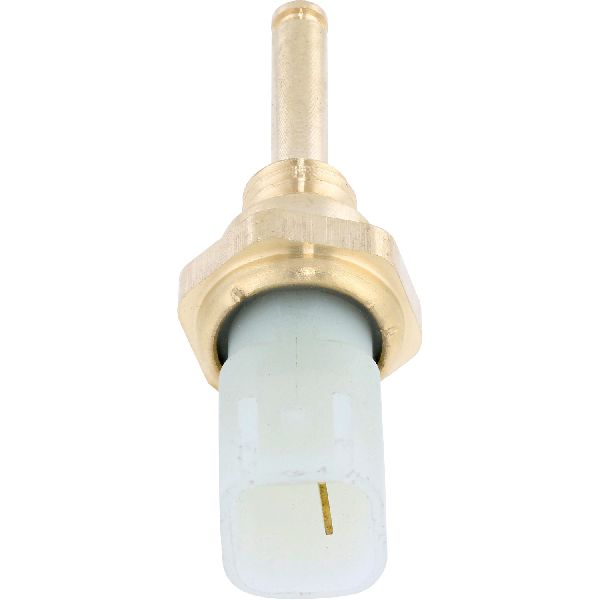
- Your 3.5L EcoBoost uses a Cylinder Head Temperature (CHT) sensor, not a traditional coolant sensor, to measure engine temperature.
- Labor costs can be high if the sensor is in a hard-to-reach location, so using a quality part is recommended to avoid repeat repairs.
- Symptoms of a bad sensor include a check engine light (P0117, P0118), poor fuel economy, and incorrect gauge readings.
Is Your Temperature Gauge Acting Up?

If you own a 2016 to 2022 Ford Expedition, you might experience some alarming issues with your temperature gauge. A common complaint is the gauge suddenly spiking to "Hot," often triggering an overheating warning and forcing the engine into a reduced-power "limp mode," only to return to normal moments later. While this can be scary, the cause might not be what you think.
Warning: Check Your Thermostat First!
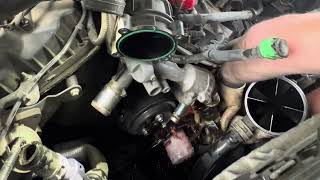
Before you replace the temperature sensor, be aware that the symptoms described above—especially erratic temperature spikes—are very commonly caused by a faulty thermostat in these trucks. Many owners have fixed their issue by replacing the thermostat with an updated OEM part. 🎬 Watch: Step-by-step guide to replacing the thermostat and water pump. Air pockets trapped in the cooling system after a coolant service can also cause the exact same temperature fluctuations. If the problem started after a coolant change, air is a likely culprit.
🎬 See this pro tip for purging air from your cooling system.Symptoms of a Failing CHT Sensor

While less common than a bad thermostat, a CHT sensor can fail. When it does, you might notice:
- Check Engine Light: The computer will log a fault code, like P0117 or P0118, and turn on the light.
- Erratic Temperature Gauge: The gauge may read extremely hot instantly, even on a cold start, or it may not move at all.
- Poor Fuel Economy: If the sensor incorrectly tells the computer the engine is cold, the system will run a rich fuel mixture, wasting gas.
- Rough Idle or Poor Performance: Incorrect temperature readings can lead to the wrong fuel mixture and timing, causing the engine to run poorly.
Choosing the Right Aftermarket Sensor

When it's confirmed that the sensor is the problem, you have a choice between OEM (Motorcraft) and aftermarket parts. Aftermarket sensors offer significant cost savings, which is appealing for a part this inexpensive.
Brand Tiers Explained:
- OEM (Motorcraft): This is the part your Expedition was built with. It guarantees perfect fit, function, and quality, but comes at a higher price. For critical sensors, OEM is always a safe bet.
- Premium Aftermarket (e.g., Holstein): Brands like Holstein aim to meet or exceed OEM standards, often using high-quality materials and providing warranties. They are a good balance of price and quality, though specific long-term performance on this vehicle is not widely documented in forums.
- Standard Aftermarket (e.g., Global Parts): These brands focus on providing a cost-effective solution. While they are designed to function like the original part, the quality can be more variable. They can be a good choice for budget-conscious repairs, but for a critical sensor, consider the potential for a shorter lifespan.
Pro Tip: The Real Cost is Labor
The CHT sensor itself is not expensive. However, depending on its exact location on your engine, it can be difficult to access, sometimes requiring removal of the intake manifold. This can make the professional labor cost much higher than the part cost. Because of this, it's often wise to use a high-quality OEM or premium aftermarket sensor to avoid paying for the same labor twice if a cheaper part fails prematurely.
| Part Type | Part Cost | Shop Labor Cost |
|---|---|---|
| New OEM (Motorcraft) | $30 - $70 | $100 - $450+ |
| New Aftermarket | $10.99 - $40.30 |
Frequently Asked Questions (FAQ)

Is it an ECT or CHT sensor on my Expedition?
The 3.5L EcoBoost engine in your 2016-2022 Expedition uses a Cylinder Head Temperature (CHT) sensor to calculate coolant temperature. It does not use a traditional Engine Coolant Temperature (ECT) sensor that is submerged in coolant.
Can I replace the CHT sensor myself?
Maybe. The sensor's location can be difficult to reach, potentially under the intake manifold. This makes the job challenging for a beginner. If you are an experienced DIY mechanic, it is feasible, but be prepared for a potentially time-consuming job. We rate it as moderately difficult.
🎬 Watch: A clever shortcut for replacing the CHT sensor yourself.My temp gauge spikes but then goes back to normal. Is it the sensor?
It's possible, but it is more likely to be a failing thermostat or air in the cooling system. This is a very common issue on these trucks. It is highly recommended to investigate the thermostat and bleed the cooling system properly before replacing the sensor.
Are there any recalls for this sensor?
No, there are no specific recalls or widespread technical service bulletins (TSBs) for a faulty CHT sensor on the 2016-2022 Ford Expedition.
Helpful Videos

Technical Specifications
OEM Part Numbers: 9L8Z-6G004-E GN1Z-6G004-A
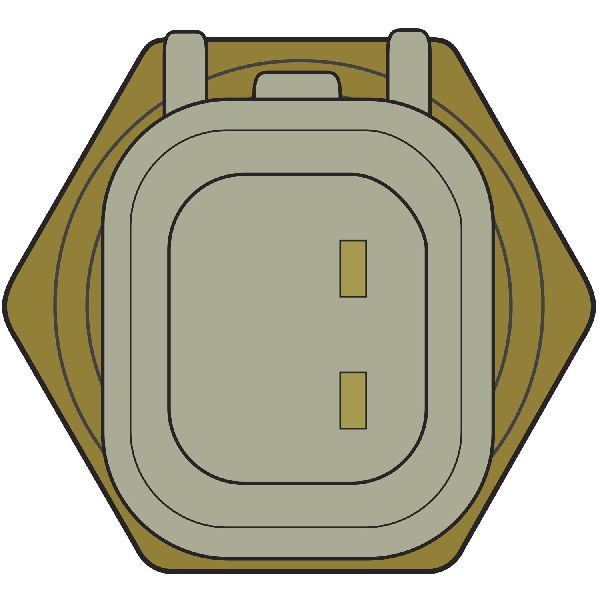
This is a Cylinder Head Temperature (CHT) sensor used to infer engine coolant temperature. It is a thermistor-type sensor that changes resistance based on temperature.
We Have This Part in Stock

The information in this article is provided for general reference and educational purposes only. Vehicle specifications, procedures, and part compatibility can vary by production date, trim level, and region. Always consult your vehicle's factory service manual and verify part numbers before purchasing or performing repairs. Safety-critical components such as airbags, seat belts, and braking systems should be installed by a qualified professional.
- Ford Expedition: