

A Guide to Replacing the Starter on Your 2016-2022 GMC Yukon
If your Yukon just clicks or won't crank, your starter might be the problem—here's what you need to know before you buy a new one.
- A clicking sound when starting is the top symptom, but always test your battery first, as it's the most common cause of a no-start.
- Replacement is a manageable DIY job for many owners, requiring basic tools and access from under the vehicle.
- There are no specific recalls for the starter on these Yukons; failures are typically from normal wear.
- Aftermarket brands like Valeo and Remy offer a good balance of quality and value compared to more expensive OEM parts.
Is Your Yukon's Starter Failing?

A problem with your starter can leave you stranded. Before you blame the starter, make sure your battery is fully charged and the terminals are clean and tight. A weak battery is the most common reason a vehicle won't start. If the battery is good, you may have a failing starter if you notice these symptoms:
- Single Loud Click: You push the start button and hear one loud click, but the engine doesn't turn over. This often points to a bad starter solenoid, which is part of the starter assembly.
- Rapid Clicking Noise: A series of fast clicks can mean the starter is trying to engage but doesn't have enough power, which could be a weak battery or a problem within the starter motor itself.
- No Sound at All: If the dash lights come on but you hear nothing when you try to start it, the issue could be the starter, the starter relay, or the ignition switch.
- Slow or Labored Cranking: If the engine turns over much slower than usual, it could be a sign that the starter motor is wearing out and drawing too much current.
- Grinding Noise: A grinding sound during or after the engine starts can indicate a problem with the starter gear not disengaging from the engine's flywheel correctly.
Check the Simple Things First
Starting problems aren't always the starter's fault. According to repair data, only about 20% of no-start issues are caused by a failed starter. The battery is the cause 38% of the time, and a bad alternator is the issue in 27% of cases. Always test your battery and check for loose or corroded cables before replacing parts.
🎬 Watch: How to diagnose no-start conditions on a YukonKnown Issues, Recalls, or TSBs
As of early 2026, there are no active recalls or widespread Technical Service Bulletins (TSBs) from General Motors specifically for starter motor failure on the 2016-2022 GMC Yukon. Problems with the starter on these vehicles are typically due to normal wear and tear rather than a specific manufacturing defect.
Choosing the Right Aftermarket Starter

When replacing the starter on your Yukon, you can choose between an original equipment (OEM) part from the dealer or an aftermarket part. Aftermarket starters offer significant cost savings, and many meet or exceed OEM quality. Here’s a look at the available brands:
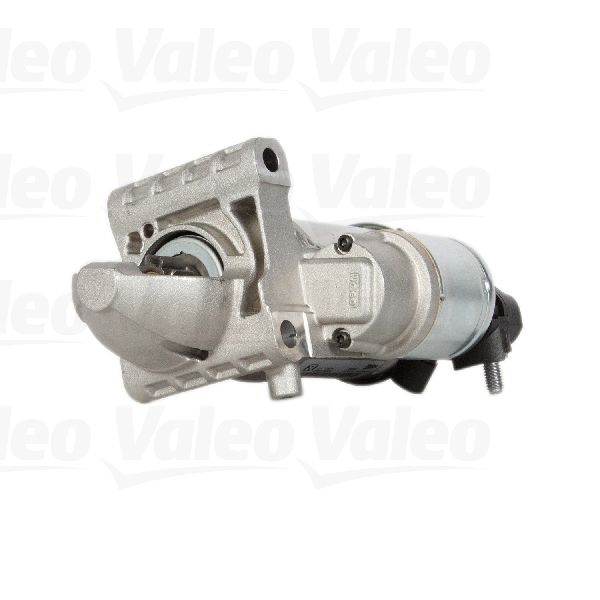
- Valeo: Valeo is a well-regarded brand that is often an OEM supplier for major automakers, including General Motors. Choosing a Valeo starter is often the closest you can get to OEM quality in the aftermarket, providing confidence in its fit and durability.
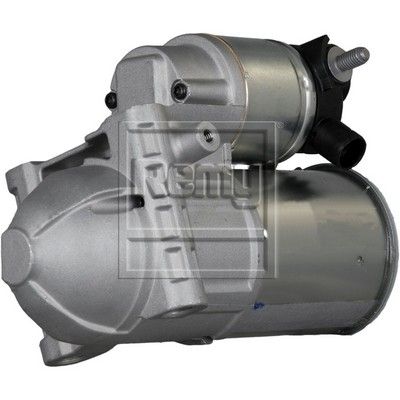
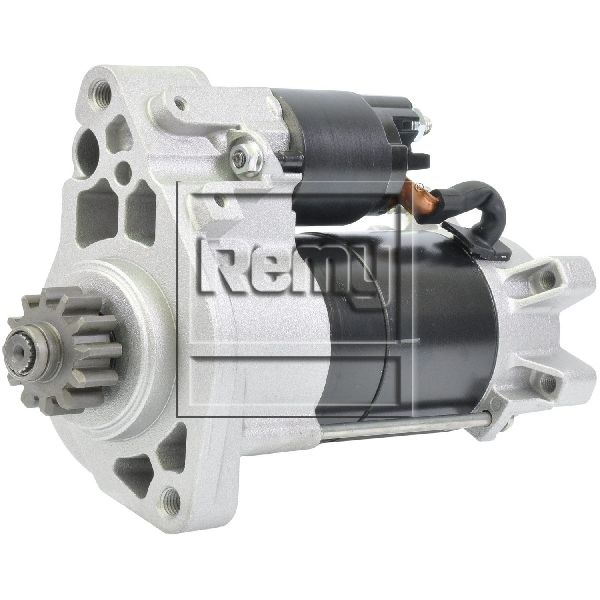
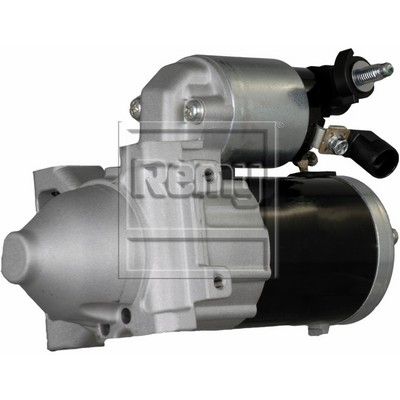
- Remy: Remy has a long history with GM, as it was once part of the original Delco-Remy division. Today, it is a popular aftermarket brand, and many mechanics consider it a reliable go-to for starters and alternators. While quality is generally considered good, some user reviews are mixed, which is common for aftermarket electrical parts.
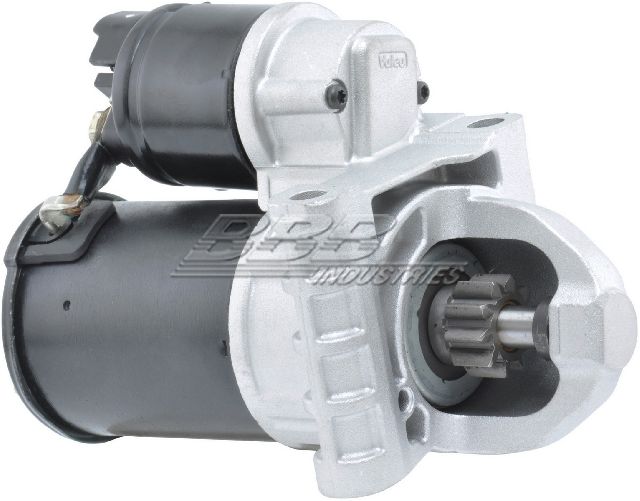
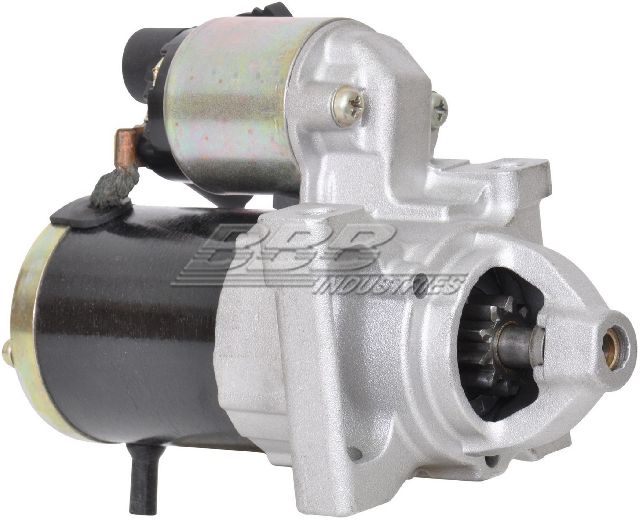
- BBB Industries: BBB Industries is a major remanufacturer of starters and alternators, supplying parts to many retail stores. These parts provide a budget-friendly option, but some professional technicians express a preference for new units or low-mileage OEM parts over remanufactured components.
New vs. Remanufactured
A new aftermarket starter is built from all-new components. A remanufactured starter has been disassembled, cleaned, and had its worn or failed components replaced with new ones before being tested. Both can be reliable options, but new units often come with a slight price premium and the peace of mind that every component is fresh.
GMC Yukon Starter Replacement Cost

The cost to replace the starter can vary depending on your vehicle's specific year and whether you do the work yourself or hire a professional. The starter on the 2021-2022 models is more expensive and takes longer to replace than on the 2016-2020 models.
| Part/Service | Estimated Cost |
|---|---|
| New Aftermarket Starter | $156 - $259 |
| New OEM Starter | $330 - $350 |
| Shop Labor | $75 - $215 |
| Total Professional Replacement (Aftermarket) | $231 - $474 |
| Total Professional Replacement (OEM) | $405 - $565 |
Frequently Asked Questions (FAQ)
Can I drive my Yukon with a bad starter?
No. If the starter has failed completely, the engine will not be able to start, leaving you stranded. If it is failing intermittently, you risk it not working the next time you try to start the vehicle.
Is replacing the starter on a GMC Yukon a DIY job?
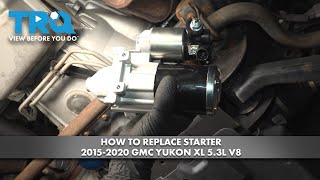
Yes, for someone with moderate mechanical skill. The starter is located on the passenger side of the engine and is held on by two bolts. The job requires safely lifting the vehicle, disconnecting the battery, removing a small heat shield, and then swapping the electrical connections and bolts. It is a relatively simple replacement on 2016-2020 models.
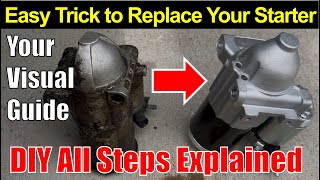
🎬 See this easy trick for replacing the starter yourselfHow long does a starter last on a GMC Yukon?
An original starter can last well over 100,000 miles. Some owners have reported starters lasting nearly 200,000 miles. Lifespan depends on driving conditions, the number of start cycles, and exposure to elements like heat and moisture.
What tools are needed to replace the Yukon's starter?
You will typically need a ratchet with extensions, a 10mm socket for the battery terminal and heat shield, and a 13mm socket for the main starter bolts and electrical nut. 🎬 Watch: Step-by-step starter replacement walkthrough for 5.3L V8 engines You will also need a jack and jack stands to safely work under the vehicle.
Helpful Videos
Technical Specifications
OEM Part Numbers: 84950186 12670352 12697221
Voltage: 12V. Rotation: Clockwise. Design: Permanent Magnet Gear Reduction (PMGR).
We Have This Part in Stock

The information in this article is provided for general reference and educational purposes only. Vehicle specifications, procedures, and part compatibility can vary by production date, trim level, and region. Always consult your vehicle's factory service manual and verify part numbers before purchasing or performing repairs. Safety-critical components such as airbags, seat belts, and braking systems should be installed by a qualified professional.
- GMC Yukon: