

Guide to the Automatic Transmission Mount for the 2016-2022 Honda Pilot
Stop excessive vibrations and clunking noises by understanding the signs of a failing transmission mount and how to choose the right replacement.
- The most common symptom of a bad mount is a heavy vibration at idle when the Pilot is in gear, which disappears in Neutral.
- Loud clunking noises when shifting from Park to Drive are a clear sign of a failed mount.
- Aftermarket brands like Anchor and DEA are budget-friendly but may not dampen vibrations as well as OEM or higher-quality aftermarket options like Pioneer.
- While you can drive with a bad mount, it's best to get it replaced soon to avoid damage to other components like axles and exhaust pipes.
Symptoms of a Failing Transmission Mount
When a transmission mount wears out on your Honda Pilot, it can no longer do its job of absorbing vibration and securing the transmission. This failure leads to several noticeable symptoms. It's important to distinguish these from other transmission issues, as many 2016-2022 Pilots have been subject to class-action lawsuits and TSBs for transmission juddering and shifting problems related to software or internal components. A bad mount is a mechanical issue with its own unique signs.
Key Symptoms to Watch For
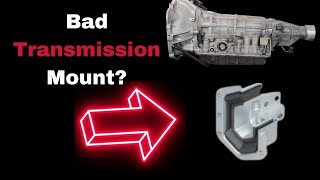
🎬 Watch this video to see common bad transmission mount symptoms.- Excessive Vibration: This is the most common sign. You'll feel a strong vibration through the floor, seats, or steering wheel, especially when the Pilot is stopped at a light but still in Drive. The vibration often lessens or disappears when you shift into Neutral or Park.
- Clunking or Banging Noises: A loud "clunk" or "bang" when you shift from Park to Drive or Reverse is a classic symptom. You might also hear these noises during hard acceleration or braking as the transmission shifts and hits against the frame.
- Rough Shifting Sensation: Beyond the noise, you may feel a physical jolt as the transmission engages. This happens because the worn mount allows for too much movement when torque is applied.
Choosing the Right Aftermarket Mount
When replacing your Pilot's transmission mount, you'll find both OEM (Original Equipment Manufacturer) and aftermarket options. For a vehicle like the Pilot, which may have complex, fluid-filled "active" mounts to counteract engine vibrations, this choice is important.
- OEM Mounts: These are the same parts Honda installed at the factory. They are guaranteed to fit and perform exactly as designed, effectively damping vibrations. However, they are significantly more expensive.
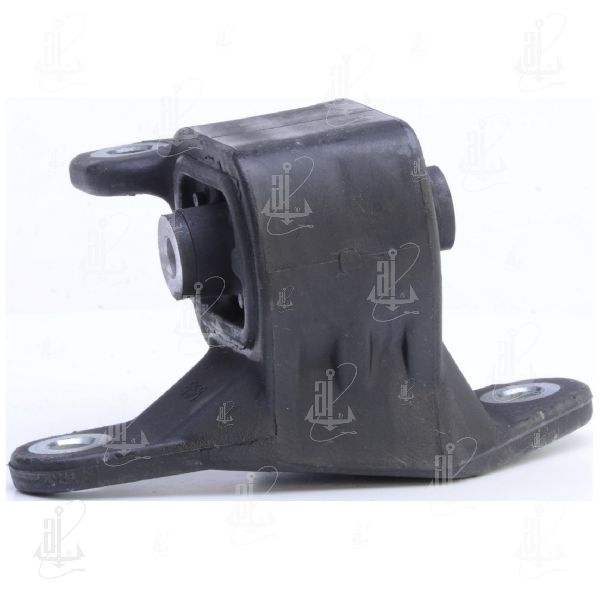
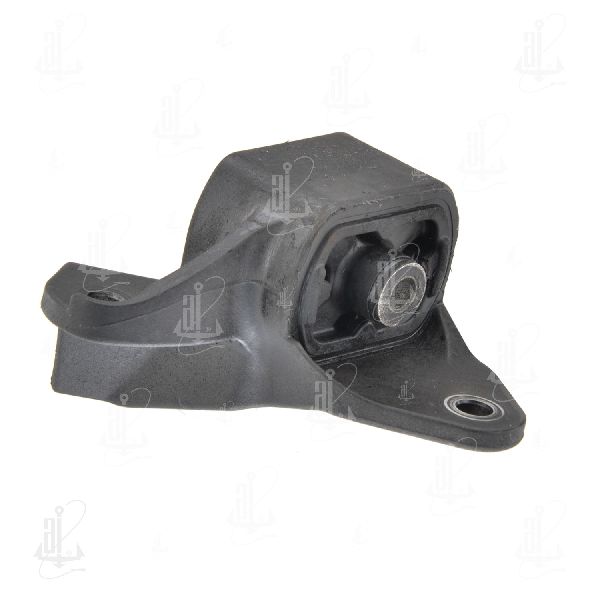
- Aftermarket Mounts: Brands like Anchor, DEA, and Pioneer offer a more budget-friendly choice. The quality can be inconsistent, with some forum users describing budget brands as "junk" that fails quickly, while others find them acceptable for the price. Pioneer is sometimes regarded as having better quality, with some users noting they look and feel similar to OEM parts. Aftermarket mounts may use solid rubber instead of the advanced hydraulic-filled design of the original, which can result in slightly more cabin vibration even when new.
Pro Tip: Given that some of the Pilot's mounts are sophisticated active/hydraulic types, a cheap aftermarket part might solve the "clunking" but fail to absorb vibrations properly. For the best results without the high OEM price, research specific part reviews for brands like Pioneer, which may offer a better balance of quality and cost.
Replacement Cost for a 2016-2022 Honda Pilot
The cost to replace a transmission mount can vary depending on your location, the specific mount being replaced, and the parts you choose. Some mounts on the Pilot are more difficult to access than others.
| Part/Service | Estimated Cost |
|---|---|
| New OEM Part | $107 - $198 |
| New Aftermarket Part | $51 - $72 |
| Shop Labor | $86 - $126 |
| Total Professional Replacement (Aftermarket) | $137 - $198 |
| Total Professional Replacement (OEM) | $193 - $324 |
Frequently Asked Questions (FAQ)
Are there any recalls for the Honda Pilot transmission mount?
No, there are no specific recalls for the transmission mounts on the 2016-2022 Honda Pilot. However, there is a Technical Service Bulletin (TSB 20-068) for 2018-2019 models that addresses a chirping noise from the rear engine mount, which is a related part. There are also several recalls and TSBs related to transmission performance, such as juddering or software issues, which can sometimes be confused with mount problems.
Can I replace just one bad mount?
Yes, you can replace just the one failed mount. However, mounts tend to wear at a similar rate. If one has failed, it's a good idea to inspect the others, including the engine mounts, for signs of wear, cracking, or leaking fluid (if they are hydraulic). Replacing them all at once can save on future labor costs.
How difficult is it to replace a transmission mount on a 2016-2022 Pilot?
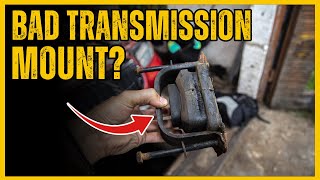
Replacing the transmission mount is a moderately difficult job for a DIY mechanic. It requires safely lifting the vehicle, supporting the transmission with a jack and a block of wood, and accessing bolts that may be in tight spaces. Some mounts, particularly the rear one, can be very difficult to access. 🎬 Learn how to access and replace the difficult rear mount. It is a feasible DIY project if you have the right tools and experience.
🎬 See a step-by-step guide for replacing Honda Pilot engine mounts.What happens if I don't replace a bad transmission mount?
Continuing to drive with a failed mount is not recommended. The excessive movement of the engine and transmission can put stress on other components, such as CV joints, axles, hoses, and exhaust pipes, leading to more expensive repairs down the road.
Helpful Videos


Technical Specifications
OEM Part Numbers: 50820-TZ5-A01 50820-TZ5-A02 50810-TZ5-A03 50830-TZ5-A02 50850-TZ5-A01
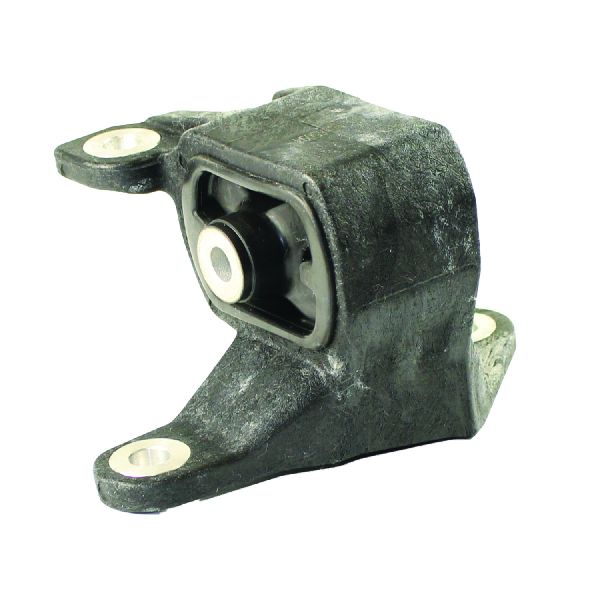
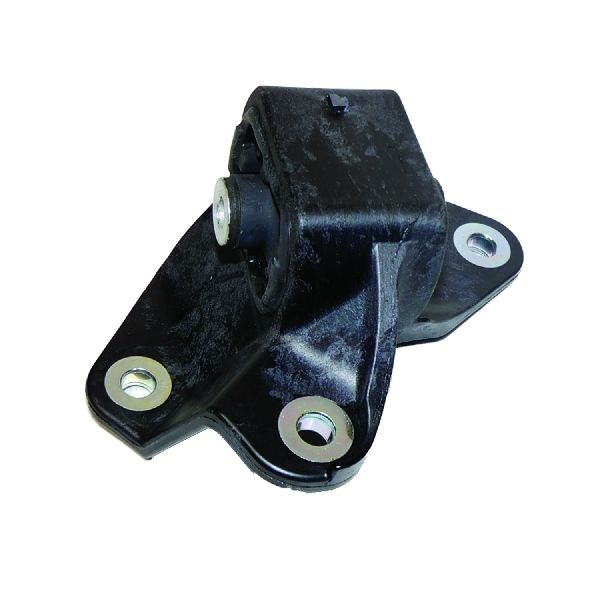
The 2016-2022 Honda Pilot uses a combination of standard and active hydraulic engine/transmission mounts to secure the 3.5L V6 engine and transmission. The active mounts are electronically controlled to counteract vibrations, particularly from the Variable Cylinder Management (VCM) system.
We Have This Part in Stock

The information in this article is provided for general reference and educational purposes only. Vehicle specifications, procedures, and part compatibility can vary by production date, trim level, and region. Always consult your vehicle's factory service manual and verify part numbers before purchasing or performing repairs. Safety-critical components such as airbags, seat belts, and braking systems should be installed by a qualified professional.
- Honda Pilot: