

Lincoln Navigator Engine Coolant Temperature Sensor (2016-2022): What You Need to Know
Is your Navigator's temperature gauge acting up or is it running rough? The engine coolant temperature sensor could be the problem.
- A faulty Engine Coolant Temperature Sensor can cause poor fuel economy, rough running, and incorrect temperature gauge readings.
- For 2018-2022 models, be aware of TSB 22-2089, as A/C issues and constantly running fans might point to the evaporator sensor instead.
- Replacement is DIY-friendly and aftermarket brands like Holstein or GPD offer a reliable, cost-effective alternative to OEM parts for this sensor.
- Common related trouble codes include P0117 (low input), P0118 (high input), and P0128 (thermostat rationality).
Is My Navigator's Engine Coolant Temp Sensor Failing?
A failing Engine Coolant Temperature (ECT) sensor can cause a range of confusing symptoms in your 2016-2022 Lincoln Navigator. Because the sensor provides bad information to the engine's computer, the truck may behave as if it's too cold or too hot, even when it isn't. Catching the problem early can prevent further issues like poor fuel economy and engine strain.
Key Failure Symptoms
Look out for these common signs of a bad ECT sensor:
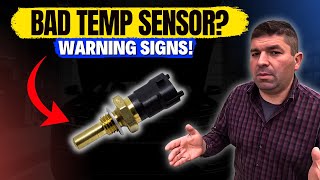
🎬 Watch this video to see top symptoms you shouldn't ignore.- Check Engine Light: This is often the first sign. The computer detects a signal from the sensor that is out of the normal range and triggers a warning light. Common trouble codes include P0117, P0118, and P0128.
- Poor Fuel Economy: If the sensor incorrectly tells the computer the engine is cold, the computer will enrich the fuel mixture, causing you to use more gas than necessary.
- Engine Overheating or Running Cool: A faulty sensor can fail to trigger the cooling fans when needed, leading to overheating. Conversely, it might keep the fans running constantly or provide a false overheating warning on your dash.
- Black Smoke from Exhaust: A very rich fuel mixture, caused by a bad sensor reading, can result in unburnt fuel burning in the exhaust, creating black smoke.
- Rough Idling or Poor Performance: The engine may run rough, hesitate, or feel sluggish because the fuel and timing adjustments are based on incorrect temperature data.
Known Issue: TSB for A/C and Cooling Fan Problems
For 2018-2022 Lincoln Navigators, Ford issued Technical Service Bulletin (TSB) 22-2089. 🎬 Learn why your A/C airflow might suddenly stop working. This TSB addresses issues like poor A/C performance, loss of airflow, and the engine cooling fans running continuously. The cause is often a faulty evaporator temperature sensor, not the engine coolant temperature sensor. However, since the symptoms (especially the fans running constantly) overlap, it's important to diagnose the correct sensor before replacing parts.
Choosing an Aftermarket Replacement Sensor
When replacing the ECT sensor on your Navigator, you have a choice between Original Equipment (OEM) from Motorcraft and various aftermarket brands. For a simple sensor like this, an aftermarket part is often a cost-effective and reliable choice.
- Top-Tier Aftermarket (e.g., Holstein): Brands like Holstein position themselves as producing parts in the same factories as OEM suppliers, aiming for identical fit, form, and function. They often come with competitive warranties and are a solid choice for owners looking for a balance of quality and price.
- Standard Aftermarket (e.g., Global Parts Distributors - GPD): These brands offer a functional, budget-friendly replacement. They are designed to meet original specifications and are a practical option for a straightforward repair.
For a non-critical, easy-to-replace sensor, most owners will be well-served by a quality aftermarket brand. There is no significant evidence from forums or TSBs to suggest that only an OEM sensor should be used for this specific part on the Navigator.
| Part Type | Average Part Cost | Shop Labor Cost | Total Estimated Cost |
|---|---|---|---|
| New OEM (Motorcraft) | $25 - $50 | $78 - $114 | $103 - $164 |
| New Aftermarket (Holstein, Global Parts) | $10 - $42 | $78 - $114 | $88 - $156 |
Note: Cost estimates are based on available market data and may vary by location and supplier. Labor costs are based on an estimated 0.5-1.0 hour replacement time. 🎬 See more symptoms and a breakdown of replacement costs.
Frequently Asked Questions (FAQ)
Where is the ECT sensor located on the 2016-2022 Navigator?
On the 3.5L V6 engine used in these Navigators, the sensor is typically located on a cylinder head, often near the thermostat housing or under the high-pressure fuel pump on the rear of the engine. It will have an electrical connector attached.
Can I replace the ECT sensor myself?
Yes, this is a DIY-feasible repair for many home mechanics. The process involves letting the engine cool, locating the sensor, placing a drain pan to catch a small amount of coolant, disconnecting the electrical connector, unscrewing the old sensor, installing the new one, and reconnecting it. You may need to top off the coolant afterward.
Are there any recalls for the ECT sensor on the Navigator?
As of early 2026, there are no specific NHTSA recalls for the engine coolant temperature sensor on the 2016-2022 Lincoln Navigator. Always check the official NHTSA website for the most up-to-date recall information for your specific vehicle.
What's the difference between an ECT sensor and a thermostat?
The ECT sensor is an electronic device that measures temperature and sends a signal. The thermostat is a mechanical valve that opens and closes to control the flow of coolant based on its temperature. A stuck-open thermostat is a common cause of the P0128 trouble code because it prevents the engine from reaching its proper operating temperature.
Helpful Videos
Technical Specifications
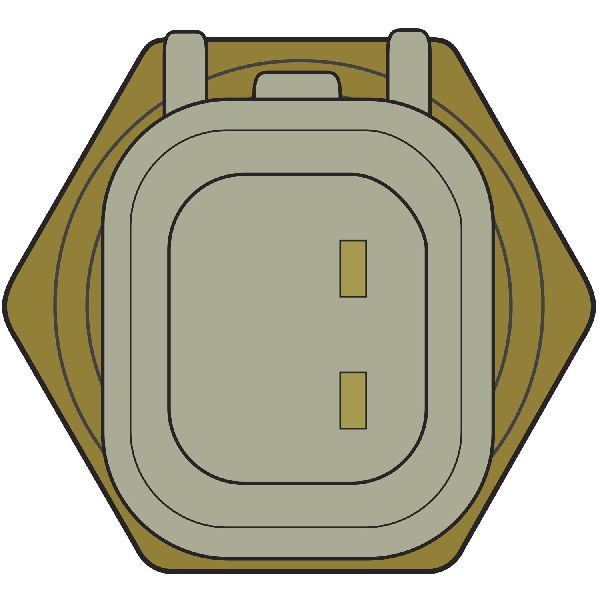
OEM Part Numbers: 8L3Z-6G004-A
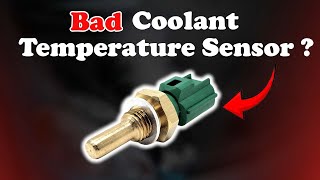
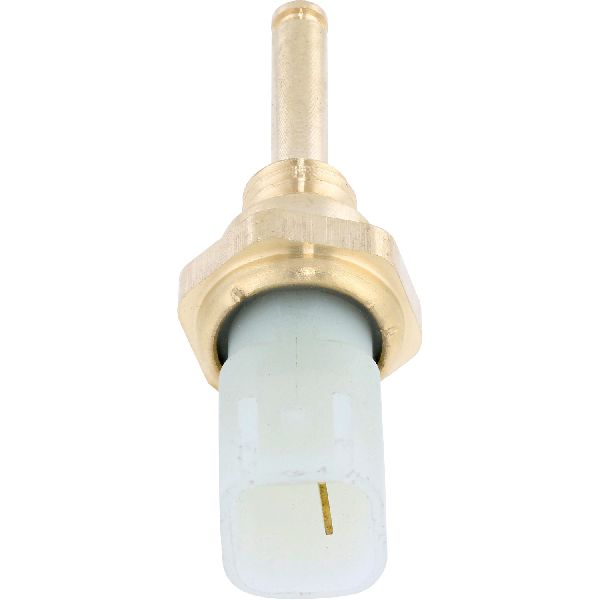
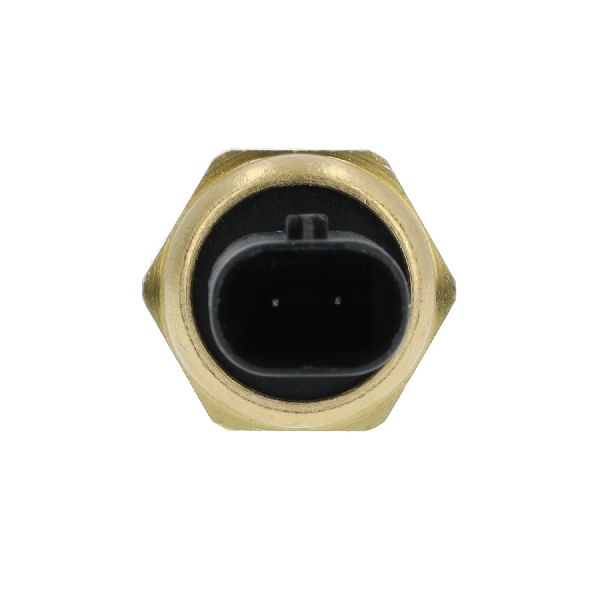
The sensor for the 2016-2022 Lincoln Navigator is a two-wire thermistor-type sensor, typically with a brass body for accurate temperature sensing and a plastic connector. It functions by changing its internal resistance based on the coolant's temperature. Note that Ford sometimes refers to this as a Cylinder Head Temperature (CHT) sensor.
We Have This Part in Stock

The information in this article is provided for general reference and educational purposes only. Vehicle specifications, procedures, and part compatibility can vary by production date, trim level, and region. Always consult your vehicle's factory service manual and verify part numbers before purchasing or performing repairs. Safety-critical components such as airbags, seat belts, and braking systems should be installed by a qualified professional.
- Lincoln Navigator: