

Lincoln Navigator (2016-2022) Engine Cylinder Head Temperature Sensor Guide
Understanding the signs of a failing temperature sensor in your Navigator's 3.5L EcoBoost engine and how to choose the right replacement.
- A failing CHT sensor on a 2016-2022 Navigator can cause an erratic temperature gauge, constant fan noise, and Check Engine Light codes like P1299, P0117, or P0118.
- Before replacing the sensor, check for low coolant or a bad thermostat, as these can cause similar symptoms.
- Replacement is DIY-feasible; the sensor is on the back of the passenger-side cylinder head and does NOT require intake manifold removal.
- Confirm any high labor quotes, as they may be based on the incorrect engine layout for a different vehicle.
Is Your Navigator's Engine Temperature Sensor Failing?
When the Cylinder Head Temperature (CHT) sensor in your 2016-2022 Lincoln Navigator begins to fail, it can send incorrect information to the engine's computer. This can make the vehicle behave as if it's overheating when it's not, or vice-versa, leading to a variety of performance issues. Identifying the problem correctly is key to avoiding unnecessary repairs and potential engine strain.
First, Check Other Cooling System Parts
Before replacing the CHT sensor, it's important to rule out other common issues. A P1299 code, which indicates an overheating condition, can also be caused by low coolant levels, a faulty thermostat, or air in the cooling system. Always check your coolant level and inspect the thermostat's operation first, especially if you are experiencing sudden temperature spikes.
🎬 Watch: Understanding the P1299 code and how to fix itSymptoms of a Bad CHT Sensor
A faulty CHT sensor can cause several distinct symptoms. Often, the first sign is a Check Engine Light with specific trouble codes stored in the computer.
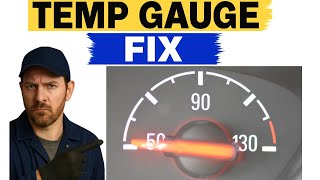
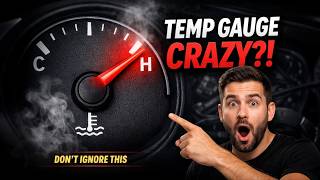
- Erratic Temperature Gauge: The needle on your dashboard may swing wildly, stick on cold, or jump straight to hot immediately after starting the engine. 🎬 See common causes for a fluctuating temperature gauge
- Cooling Fans Run Constantly: The engine computer may receive a false 'hot' signal, causing it to run the radiator fans at full speed all the time, even when the engine is cold.
- Poor Engine Performance: You may notice reduced fuel economy, a rough idle, black smoke from the exhaust, or difficulty starting the engine.
- 'Limp Mode' Activation: In a perceived overheat event (often triggering code P1299), the PCM may activate a 'fail-safe' or 'limp' mode to protect the engine, which dramatically reduces power.
A Note on TSB 22-2089
For 2018-2022 Navigators, be aware of Technical Service Bulletin 22-2089. If your primary symptoms are constantly running fans and A/C performance issues, the cause may be a faulty A/C evaporator temperature sensor, not the CHT sensor. Proper diagnosis is key.
Choosing the Right Aftermarket Replacement Part
For a sensor like the CHT, you have the choice between an OEM part from Ford/Motorcraft or an aftermarket replacement. Given the moderate difficulty of the replacement, choosing a quality part is important to avoid doing the job twice.
- OEM (Motorcraft): Original equipment parts are guaranteed to fit and perform exactly like the one your Navigator came with from the factory. For this specific sensor, the OEM part is often competitively priced with aftermarket options.
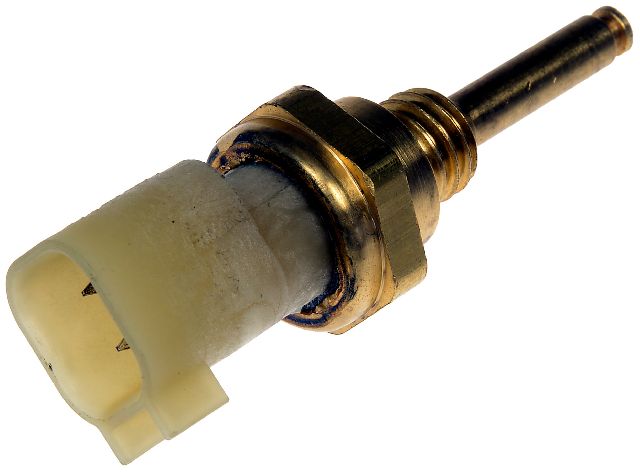
- Standard Aftermarket (Dorman): Brands like Dorman produce direct replacement parts that are designed to match the fit and function of the original. They offer a cost-effective solution and are a common choice for repairs. For this application, the Dorman part number is 926-711.
For this specific repair, both OEM and quality aftermarket parts are viable choices. The cost difference is minimal, so the decision often comes down to availability.
Replacement Cost Breakdown
The cost to replace the CHT sensor can vary based on whether you do it yourself or take it to a repair shop. The part itself is inexpensive, so the main cost variable is labor.
| Part Type | Estimated Part Cost |
|---|---|
| New OEM (Motorcraft) | $20 - $29 |
| New Aftermarket (Dorman) | $30 - $31 |
| Shop Labor | $90 - $150 |
| Estimated Total (Shop Repair) | $110 - $180 |
Frequently Asked Questions (FAQ)
Where is the CHT sensor located on the 2016-2022 Navigator?
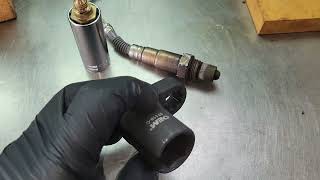
On the 3.5L EcoBoost engine in the rear-wheel-drive Navigator, the sensor is located on the back of the passenger-side cylinder head, just above the transmission bell housing. 🎬 Watch: Locate the CHT sensor on a 3.5L EcoBoost engine Access is from underneath the vehicle and can be tight. It does NOT require removing the intake manifold, unlike on some other Ford vehicles with the same engine in a transverse (front-wheel-drive) layout.
Can I replace the CHT sensor myself?
Yes, this is a feasible DIY job for someone with moderate mechanical skill. It does not require special tools, but access is tight, and you will likely be working by feel. Removing the front passenger-side wheel and/or a nearby O2 sensor may provide better access for your arm. The estimated time is around 1 to 1.5 hours.
Why did I get a very high repair quote of over $400?
Some repair shops may mistakenly reference the procedure for a transverse-mounted 3.5L engine (like in a Ford Taurus or Flex). In those vehicles, the sensor is buried under the intake manifold, which is a much more labor-intensive job. If you receive a high quote, confirm the shop is aware of the sensor's location on a rear-wheel-drive Navigator.
Are there any recalls for this sensor?
No, as of early 2026, there are no specific NHTSA recalls for the engine cylinder head temperature sensor on the 2016-2022 Lincoln Navigator.
Helpful Videos



Technical Specifications
OEM Part Numbers: GN1Z-6G004-A
Fits 3.5L EcoBoost Engine. Aftermarket equivalent is Dorman 926-711.
We Have This Part in Stock

The information in this article is provided for general reference and educational purposes only. Vehicle specifications, procedures, and part compatibility can vary by production date, trim level, and region. Always consult your vehicle's factory service manual and verify part numbers before purchasing or performing repairs. Safety-critical components such as airbags, seat belts, and braking systems should be installed by a qualified professional.
- Lincoln Navigator:
- 🎬 Helpful Videos
- 🛍️ Shop This Part
- Is Your Navigator's Engine Temperature Sensor Failing?
- First, Check Other Cooling System Parts
- Symptoms of a Bad CHT Sensor
- A Note on TSB 22-2089
- Choosing the Right Aftermarket Replacement Part
- Replacement Cost Breakdown
- Frequently Asked Questions (FAQ)
- 🎟️ Get 5% Off