

Subaru Outback Engine Coolant Temperature Sensor Guide for 2016-2022 Models
Learn to spot the signs of a failing coolant temperature sensor in your Outback and choose the right replacement part.
- For 2019+ models, verify if the issue is the simple ECT sensor or the more complex Thermo Control Valve (TCV), which has an extended warranty.
- Common signs of failure include a check engine light (P0117, P0118), poor fuel economy, and an erratic temperature gauge.
- Replacement is a simple DIY task for most owners, requiring basic tools and about 30 minutes.
- Quality aftermarket brands offer a reliable and budget-friendly alternative to more expensive OEM parts for this specific sensor.
Is Your Outback's Engine Acting Up? It Could Be the Coolant Temp Sensor

If your 2016-2022 Subaru Outback is experiencing issues like poor fuel mileage, an illuminated check engine light, or strange behavior from the temperature gauge, a faulty Engine Coolant Temperature (ECT) sensor could be the culprit. This sensor tells the car's computer how hot or cold the engine is, which affects everything from fuel injection to the cooling fans. When it fails, it can lead to a range of problems, some minor and some that could lead to serious engine damage if ignored.
Important: Is It the ECT Sensor or the Thermo Control Valve (TCV)?
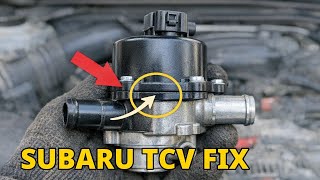
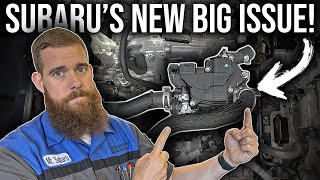
For 2019 and newer Outback models, it's crucial to distinguish between a failing ECT sensor and a failing Thermo Control Valve (TCV). Many symptoms overlap, but the TCV is a more complex component known for issues on these vehicles. Subaru has even extended the warranty on the TCV to 15 years or 150,000 miles. 🎬 Watch: Understanding the Subaru TCV failure and warranty coverage. A key symptom of a bad TCV can be a check engine light with a temperature gauge that doesn't move at all. If you have a 2019-2022 Outback, have the diagnostic codes checked by a professional to confirm which part has failed before ordering a replacement.
Common Symptoms of a Bad ECT Sensor

A failing ECT sensor can make your car behave in several ways. Here are the most common signs:
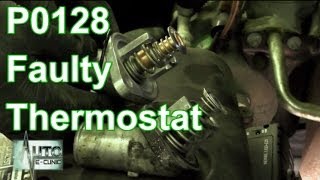
- Check Engine Light: This is often the first sign. The ECU detects an illogical signal from the sensor and triggers a fault code. Common codes include P0117 (circuit low), P0118 (circuit high), or P0128 (coolant temp below regulation). 🎬 See how to test and replace a sensor for these codes.
- Poor Fuel Economy: If the sensor is stuck sending a "cold" signal, the ECU will inject extra fuel, thinking the engine needs to warm up. This wastes gas.
- Engine Overheating: A sensor that fails to report a hot engine can prevent the radiator fans from turning on when they should, leading to overheating, especially when idling or in traffic.
- Black Smoke from Exhaust: In severe cases, an overly rich fuel mixture caused by a false "cold" signal can lead to unburned fuel igniting in the exhaust, producing black smoke.
- Erratic Temperature Gauge: The needle on your dash might jump around, stay on cold, or shoot to hot unexpectedly.
Choosing the Right Aftermarket ECT Sensor

For a part like the ECT sensor, a quality aftermarket replacement offers excellent value compared to the OEM part. Brands like Standard Ignition and Holstein are well-established in the automotive world and produce reliable parts that meet or exceed original equipment specifications. Given the low cost of the sensor, choosing a reputable aftermarket brand is a smart way to fix the problem without overspending.
| Part Type | Estimated Cost |
|---|---|
| New Aftermarket Sensor | $14.51 - $55.50 |
| New OEM Sensor | $50 - $77 |
| Shop Labor | $80 - $130 |
Pro Tip: A Simple DIY Job
Replacing the ECT sensor is a straightforward task that most DIYers can handle in under 30 minutes with basic tools. The sensor is typically located near the thermostat housing on the engine. The process involves letting the engine cool, disconnecting the battery, unplugging the sensor's electrical connector, and unscrewing the old sensor to install the new one. Having a drain pan ready is a good idea to catch any coolant that might spill.
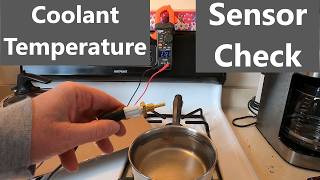
🎬 Watch this step-by-step walkthrough of an Outback sensor replacement.Frequently Asked Questions (FAQ)

Where is the ECT sensor located on my Outback?
The ECT sensor is usually screwed into the engine block or thermostat housing, often near where the upper radiator hose connects to the engine. A quick search for your specific model year and engine (2.5L or 3.6L) can provide diagrams for the exact location.
What happens if I don't replace a bad ECT sensor?
Ignoring a bad ECT sensor can lead to persistent poor fuel economy, failed emissions tests, and rough engine performance. The most serious risk is engine overheating, which can cause severe and expensive damage like a warped cylinder head.
Is an OEM sensor better than an aftermarket one for this part?
While OEM parts guarantee a perfect fit, high-quality aftermarket sensors from brands like Standard Ignition or Holstein are reliable and cost-effective for this repair. They are designed to function just like the original part and are a trusted choice for many mechanics and vehicle owners.
Will replacing the sensor turn off the check engine light?
After replacing the sensor, the check engine light may turn off on its own after several driving cycles. However, the fastest way to clear it is to use an OBD2 scanner to erase the stored fault codes. You can also disconnect the battery for about 15 minutes to reset the ECU.
Helpful Videos

Technical Specifications
OEM Part Numbers: 22630AA27A 22630AA230
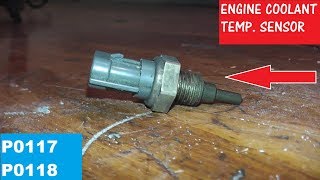
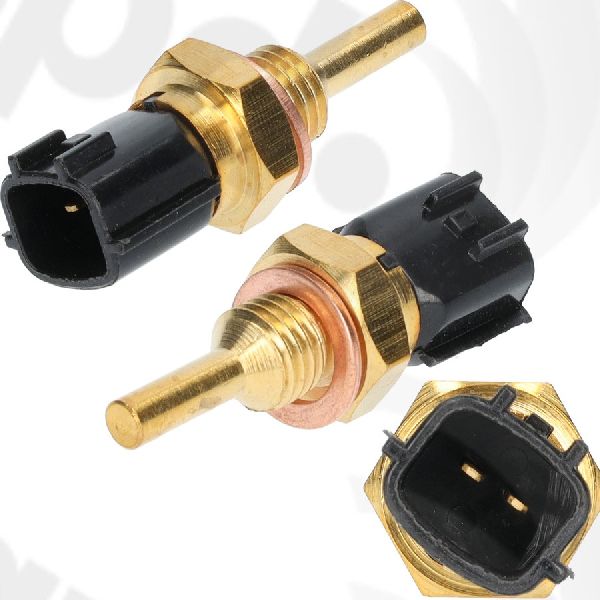
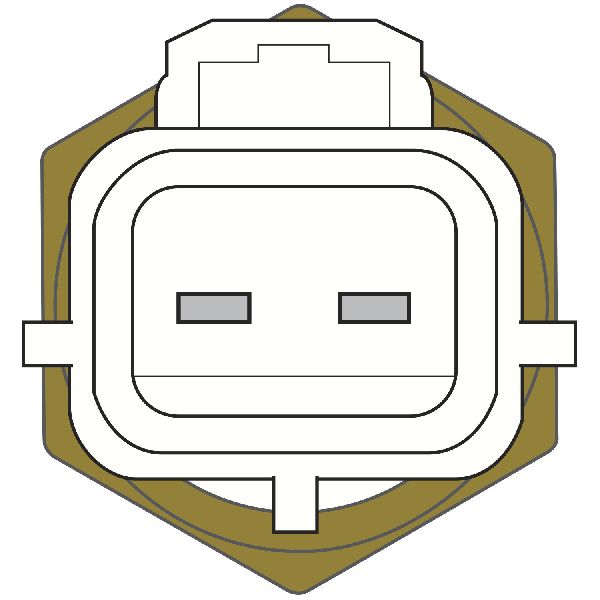
The Engine Coolant Temperature sensor is a two-wire thermistor. Its electrical resistance changes in response to the coolant's temperature, sending a variable voltage signal to the ECU.
We Have This Part in Stock


The information in this article is provided for general reference and educational purposes only. Vehicle specifications, procedures, and part compatibility can vary by production date, trim level, and region. Always consult your vehicle's factory service manual and verify part numbers before purchasing or performing repairs. Safety-critical components such as airbags, seat belts, and braking systems should be installed by a qualified professional.
- Subaru Outback:
- 🎬 Helpful Videos
- 🛍️ Shop This Part
- Is Your Outback's Engine Acting Up? It Could Be the Coolant Temp Sensor
- Important: Is It the ECT Sensor or the Thermo Control Valve (TCV)?
- Common Symptoms of a Bad ECT Sensor
- Choosing the Right Aftermarket ECT Sensor
- Pro Tip: A Simple DIY Job
- Frequently Asked Questions (FAQ)
- 🎟️ Get 5% Off