

Tesla Model S (2016-2022) A/C System O-Ring and Gasket Kit Guide
Losing cool air in your Model S? The problem might be smaller than you think.
- A failing A/C o-ring is a common cause of refrigerant leaks, leading to poor cooling performance.
- This is not a DIY job. The repair requires specialized equipment to handle refrigerant and is best left to a professional.
- Reputable aftermarket brands like Four Seasons offer a reliable and cost-effective alternative to OEM parts.
- The majority of the repair cost is for labor and the A/C system service, not the o-ring kit itself.
Is Your Model S A/C Losing Its Cool?

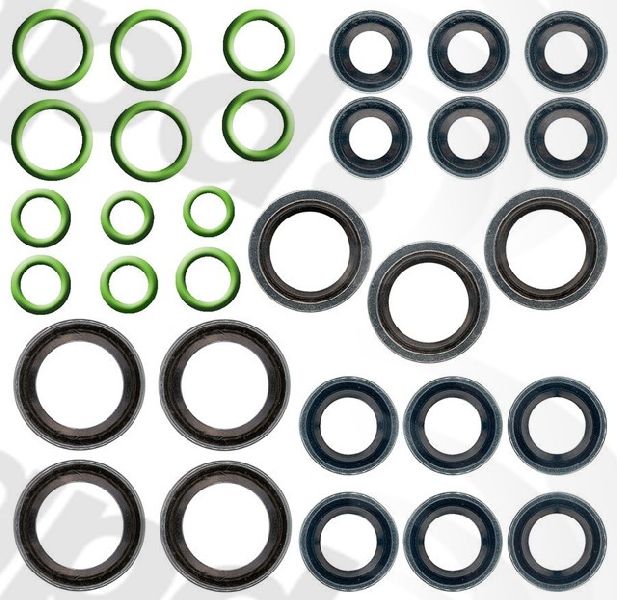
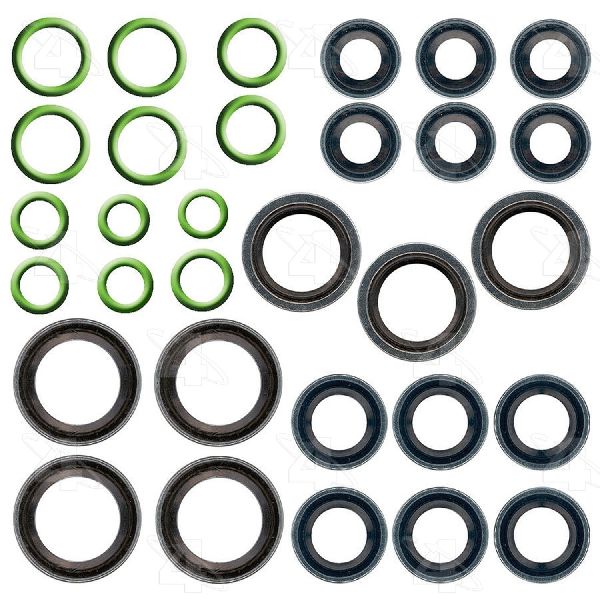
If your Tesla's air conditioning isn't blowing as cold as it used to, the cause is often a refrigerant leak. While several components could be the culprit, the most common failure points in any A/C system are the seals that hold it all together. An A/C System O-Ring and Gasket Kit is a collection of all the necessary seals to overhaul the connection points in your vehicle's A/C lines.
Symptoms of a Failing A/C O-Ring
A bad o-ring creates a slow leak, which can be hard to detect at first. The signs are often gradual.
- Weak Airflow: The A/C might feel like it's not blowing as hard or as cold as it once did.
- A/C Cools Intermittently: The system may blow cold for a few minutes and then switch to warmer air as the low refrigerant level causes the compressor to cycle off.
- Hissing Noises: A distinct hissing sound from under the hood or dashboard can indicate refrigerant escaping from a seal.
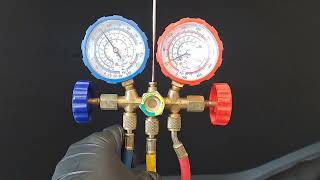
- Visible Dye or Oily Residue: Technicians often inject a UV dye to find leaks. You might see a bright greenish-yellow residue or an oily film around A/C line connections where an o-ring has failed. 🎬 Watch: A comprehensive walkthrough on diagnosing Tesla Model S A/C issues.
This is Not a DIY Repair
Replacing A/C o-rings requires specialized and expensive equipment to safely and legally recover the old refrigerant, pull a vacuum to remove moisture, and recharge the system to the correct pressure. Attempting this without the proper tools can damage your A/C system and is illegal due to environmental regulations regarding refrigerants. This job should be left to a qualified professional.
Choosing the Right Aftermarket Kit

For the 2016-2022 Tesla Model S, you have options when it comes to A/C o-ring kits. While Tesla offers original equipment (OEM) parts, reputable aftermarket brands provide a cost-effective and reliable alternative.
The o-rings in these kits are typically made from HNBR (Hydrogenated Nitrile Butadiene Rubber), a material designed to withstand the chemicals and temperature extremes in modern A/C systems using R134a or R1234yf refrigerant. Your Model S could have either, so it's important the parts are compatible.
Brand Tiers: OEM vs. Aftermarket
- OEM (Tesla): OEM parts are guaranteed to fit perfectly. However, Tesla may sell individual o-rings rather than a complete kit, which can complicate the ordering process. The quality is excellent, but the cost will be higher.
- Premium Aftermarket (Four Seasons): Four Seasons is a well-regarded brand in the A/C parts world. Mechanics often trust their components for quality and fitment, making them a solid choice that balances cost and reliability.
- Standard Aftermarket (Global Parts Distributors - GPD): GPD offers kits that are often the most affordable. While they are designed to meet OE specifications, some professional installers have a preference for brands like Four Seasons based on long-term experience.
| Part Type | Estimated Cost |
|---|---|
| New Aftermarket Kit | $24 - $28 |
| Shop Labor & A/C Service | $350 - $550 |
The cost of the o-ring kit is a very small part of the total repair bill. The majority of the cost is the labor to access the A/C lines and the A/C service (refrigerant recovery and recharge).
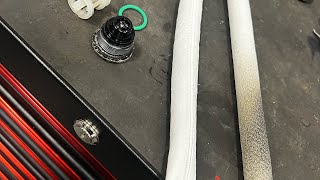
🎬 See what is involved in a professional Tesla A/C service.Known Issues, Recalls, and Service Bulletins

There are no specific recalls or Technical Service Bulletins (TSBs) from the NHTSA for widespread A/C o-ring failures on the 2016-2022 Tesla Model S. However, a software-related recall (NHTSA ID: 22V-050) was issued for some 2021-2022 Model S vehicles. This recall concerned a software error in the heat pump that could affect windshield defrosting performance in cold weather and was resolved with an over-the-air update. This issue is unrelated to the physical o-ring seals.
Frequently Asked Questions

Why can't I just top off the refrigerant?
Topping off a leaking system is only a temporary fix. The refrigerant will just leak out again. It is also illegal to knowingly release refrigerant into the atmosphere. The proper repair is to find and fix the leak, which often means replacing the failed o-ring or seal.
Does my 2016-2022 Model S use R134a or R1234yf refrigerant?
It could use either. Tesla transitioned between refrigerants during this period. The specific type is listed on a label under the hood. A professional shop will have the equipment to service both types.
Should I replace all the o-rings at once?
If you are opening the A/C system for a major repair (like replacing a compressor), it is highly recommended to replace all accessible o-rings and the desiccant bag at the same time. The cost of the seals is minimal compared to the labor, and this preventative measure can save you from another leak in the near future.
Is an A/C leak covered by the Tesla warranty?
This depends on the age and mileage of your vehicle and which warranty is applicable. A/C system repairs can be covered under the Basic Vehicle Limited Warranty. You would need to check your specific warranty details or contact Tesla Service to confirm coverage for your vehicle.
Helpful Videos
Technical Specifications
OEM Part Numbers: 1111738-00-A 1111740-00-A
Material: HNBR (Hydrogenated Nitrile Butadiene Rubber). Compatible with R134a and R1234yf refrigerants.
We Have This Part in Stock

The information in this article is provided for general reference and educational purposes only. Vehicle specifications, procedures, and part compatibility can vary by production date, trim level, and region. Always consult your vehicle's factory service manual and verify part numbers before purchasing or performing repairs. Safety-critical components such as airbags, seat belts, and braking systems should be installed by a qualified professional.
- Tesla S: