

Tesla Model X A/C System O-Ring and Gasket Kit Guide (2016-2022)
Losing cold air in your Model X? Your A/C system's seals might be the cause.
- A loss of cold air in a Model X is frequently caused by a refrigerant leak from a failed o-ring or gasket.
- This is not a DIY repair. It requires specialized equipment to recover and recharge the A/C system and involves high-voltage safety risks.
- When repairing a leak, it is best practice to replace all seals in the area being serviced and to replace the A/C desiccant bag.
- Ignoring a leak can lead to the failure of the much more expensive A/C compressor due to loss of lubrication.
Is Your Model X A/C Blowing Warm Air?
If your Tesla Model X air conditioning isn't as cold as it used to be, the first suspect is often a refrigerant leak. While the leak could be from a major component like the condenser or a hose, it frequently comes from a failed o-ring or gasket at a connection point. These small, inexpensive seals are critical for keeping the entire system airtight. When they fail, refrigerant escapes, and the A/C compressor can no longer create cold air. Ignoring this can lead to more expensive damage, as the A/C system's oil circulates with the refrigerant, and a loss of lubrication can destroy the compressor.
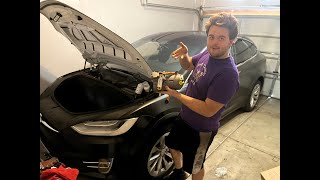
🎬 Watch: See how a technician replaces a Model X compressor.Symptoms of a Failing A/C O-Ring or Gasket
- Weak or No Cold Air: This is the most obvious sign. The system can't cool effectively with low refrigerant.
- A/C Works Intermittently: The system might cool for a short time and then blow warmer air as pressure drops.
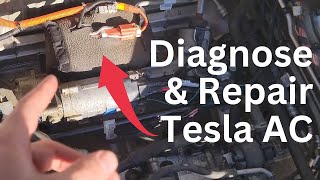
- Visible Oily Residue: You might see a greasy film on A/C line connections in the front trunk (frunk) area. This is the refrigerant oil leaking out with the gas.
- Hissing Noises: A distinct hissing sound from the A/C lines could indicate escaping refrigerant, though this is rare unless the leak is large.
Professional Installation is Required
Replacing A/C o-rings is not a typical DIY job. The system must be professionally evacuated with a special machine before it can be opened. After the seals are replaced, the system needs to be vacuum-tested for other leaks and then recharged with the precise amount of refrigerant and oil. Working on a Tesla's A/C also involves proximity to high-voltage components, which is extremely dangerous without proper training and safety equipment.
Choosing the Right Aftermarket O-Ring Kit
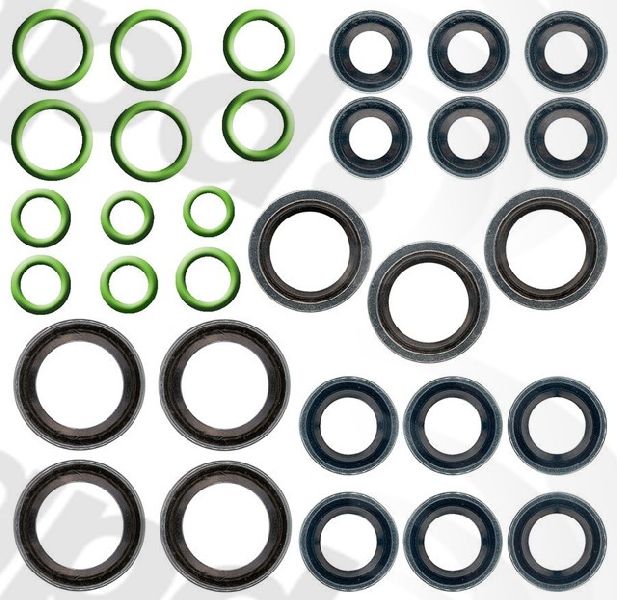
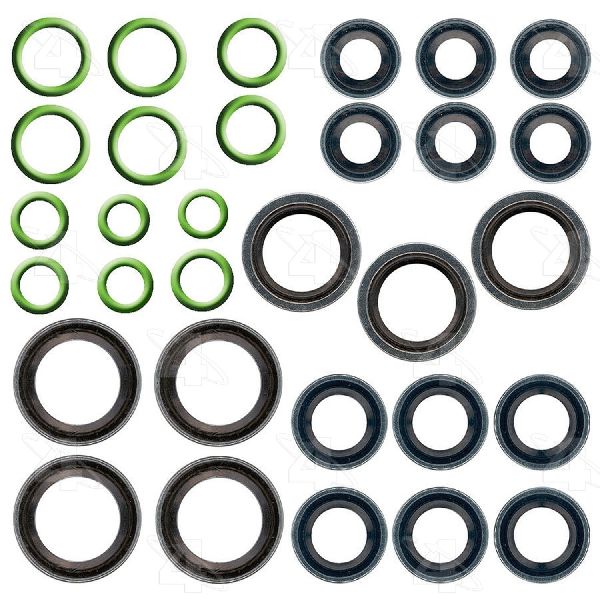
When your technician opens the A/C system to fix a leak, it is standard practice to replace all the seals on the components being serviced. An aftermarket kit provides a cost-effective way to get all the necessary seals at once. For the 2016-2022 Tesla Model X, brands like Four Seasons and Global Parts are available.
- OEM (Original Equipment Manufacturer): Tesla does not sell a complete o-ring "kit." You would have to buy each seal individually from the service center, which can be time-consuming and expensive. The quality is guaranteed to match what the vehicle was built with.
- Aftermarket Brands:
- Four Seasons: This is a well-known aftermarket brand. Reviews for their A/C components on other vehicles are mixed; some users report long-lasting success while others have experienced premature failures or leaks. For a part like an o-ring, where quality is paramount to avoid a repeat repair, this is a consideration.
- Global Parts (GPD): GPD is a large supplier of aftermarket A/C parts. They emphasize quality control, such as helium leak-testing their compressors. As a brand focused entirely on A/C systems, their sealing components are generally considered reliable for professional repairs.
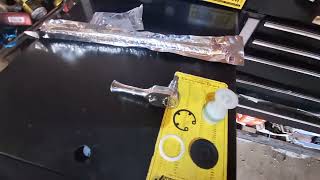
Pro Tip: When the system is open, it is highly recommended to also replace the A/C desiccant bag. 🎬 See this walkthrough of a Model X desiccant bag service. Tesla service documents state this should be done any time the system has had a leak to ensure moisture is properly removed.
Cost to Replace Tesla Model X A/C O-Rings
| Part Type | Estimated Part Cost |
|---|---|
| New Aftermarket Kit | $24 - $28 |
| Shop Labor & Recharge | $250 - $500 |
Frequently Asked Questions
Can I just add more refrigerant if my A/C is low?
No. Simply adding refrigerant (a "top-off") is a temporary fix that does not solve the underlying leak. It is also illegal to knowingly release refrigerant into the atmosphere. The leak must be found and repaired, which involves replacing the faulty seal or component.
Are there any recalls for Model X A/C leaks?
There are no widespread official recalls from the NHTSA for A/C o-ring or gasket failures on the 2016-2022 Model X. However, refrigerant leaks are a commonly reported problem.
Will a bad o-ring cause a check engine light or warning?
It will not cause a traditional "check engine light," but a significant loss of refrigerant can trigger fault codes within the Tesla's diagnostic system related to the thermal management system, which a technician can read.
Does a bad seal affect the battery?
Yes, potentially. The A/C system is part of the vehicle's larger thermal management system, which also cools the high-voltage battery. While there are redundant cooling loops, a poorly performing A/C system could, in extreme conditions, impact the efficiency of battery cooling.
Helpful Videos
Technical Specifications
Kit contains multiple o-rings and gaskets for various A/C line and component connections. Must be compatible with R-134a or R1234yf refrigerant and associated POE oil, depending on vehicle build date.
We Have This Part in Stock

The information in this article is provided for general reference and educational purposes only. Vehicle specifications, procedures, and part compatibility can vary by production date, trim level, and region. Always consult your vehicle's factory service manual and verify part numbers before purchasing or performing repairs. Safety-critical components such as airbags, seat belts, and braking systems should be installed by a qualified professional.
- Tesla X: