

Dodge Challenger (2016-2023) Accessory Drive Belt Replacement Guide
Keep your Challenger's engine running strong by knowing when and how to replace your accessory drive belt.
- A squealing noise is the first and most common sign of a worn accessory belt.
- Visually inspect the belt for cracks, frays, or a shiny surface as part of your regular maintenance.
- When replacing the belt, it is highly recommended to also replace the belt tensioner and idler pulleys.
- If the belt breaks, pull over immediately to prevent severe engine damage from overheating.
Is Your Accessory Drive Belt Failing?
A failing accessory drive belt on your 2016-2023 Dodge Challenger will give you clear warning signs. Don't ignore them, as a complete belt failure can leave you stranded and potentially cause other engine damage.
Key Symptoms of a Bad Belt
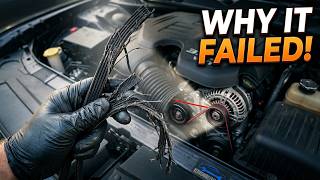
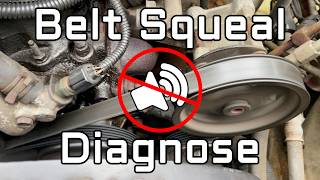
- Squealing or Chirping Noises: This is the most common sign. You'll hear a high-pitched noise from the engine bay, especially when starting the car, accelerating, or turning on the A/C. This sound means the belt is slipping. 🎬 Watch: How to diagnose common belt squeaks and squeals.
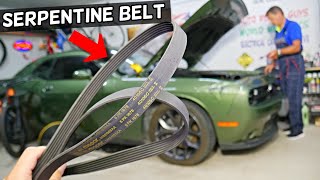
- Visible Wear and Tear: Look at the belt. If you see cracks, frayed edges, missing ribs, or a shiny, glazed surface, it's time for a replacement.
- Accessory Malfunctions: If your A/C isn't blowing cold, your power steering feels stiff, or your battery warning light comes on, the belt may not be properly powering those components.
- Engine Overheating: The belt drives the water pump, which circulates coolant. If the belt slips or breaks, the engine can overheat quickly, leading to serious damage.
Choosing the Right Aftermarket Belt
When replacing the belt on your Challenger, you don't have to buy the OEM part from the dealer to get good quality. Reputable aftermarket brands often meet or exceed OEM specifications and can be a more affordable option. For this part, both OEM and quality aftermarket belts are reliable choices.
Brand Tiers:
- ACDelco: A well-known and trusted brand that offers professional-grade parts. ACDelco belts are a reliable choice and are often considered equivalent to OEM quality.
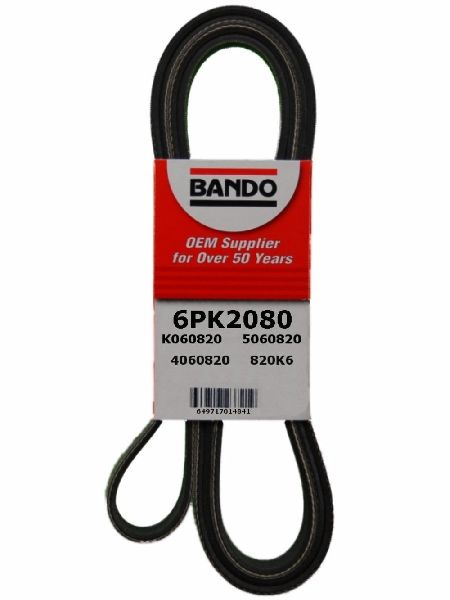
- Bando: Another highly-regarded brand, Bando is known for making quality belts that are often used as the original equipment by some car manufacturers. They are a solid choice for reliability and value.
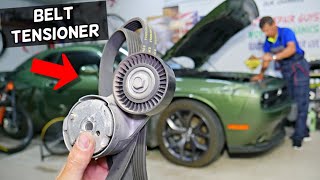
Pro Tip: While you're replacing the belt, it's a very good idea to inspect the tensioner and idler pulleys. These parts wear out over time and have a similar lifespan to the belt. Replacing them at the same time as the belt can save you from doing the job twice and prevent the new belt from failing prematurely.
🎬 See this walkthrough for replacing your idler and tensioner pulleys.Known Issues, Recalls, and TSBs
While there are no specific recalls for the accessory drive belt itself on the 2016-2023 Dodge Challenger, there have been recalls for related components like the alternator on earlier models. A failing alternator can sometimes be misdiagnosed as a belt issue or cause the belt to fail. Always check for any open recalls on your vehicle using your VIN on the NHTSA website.
| Part/Service | Estimated Cost |
|---|---|
| New Aftermarket Accessory Drive Belt | $40.67 - $66.91 |
| New OEM Accessory Drive Belt | $46 - $67 |
| Shop Labor for Replacement | $57 - $72 |
| Total Professional Replacement (Aftermarket) | $97 - $139 |
Frequently Asked Questions
How often should I replace my Challenger's accessory drive belt?
Most manufacturers recommend inspecting the belt at regular service intervals and replacing it between 60,000 and 100,000 miles as preventative maintenance. However, you should replace it immediately if it shows any signs of wear, such as cracking, fraying, or making noise.
Is it hard to replace the accessory drive belt myself?
For a DIYer with some experience, replacing the belt is a feasible job. It typically requires a breaker bar or a serpentine belt tool to release the tensioner, and you must be very careful to route the new belt correctly. 🎬 Watch: Step-by-step 3.6L belt replacement and routing diagram guide. An incorrect routing can cause the water pump to spin backward and lead to overheating. The job can take between 30 minutes to 1.5 hours.
Does my Challenger have a timing belt or a timing chain?
The 2016-2023 Dodge Challenger engines (3.6L, 5.7L, 6.4L) use a timing chain, not a timing belt. The accessory drive belt is a separate component located on the outside of the engine.
What happens if the belt breaks while I'm driving?
If the accessory drive belt breaks, your engine will lose power to the alternator, water pump, and power steering pump. The battery will stop charging, the engine will quickly overheat, and steering will become very difficult. You should pull over immediately and have the vehicle towed to avoid catastrophic engine damage.
Helpful Videos

Technical Specifications
OEM Part Numbers: 68495977AA
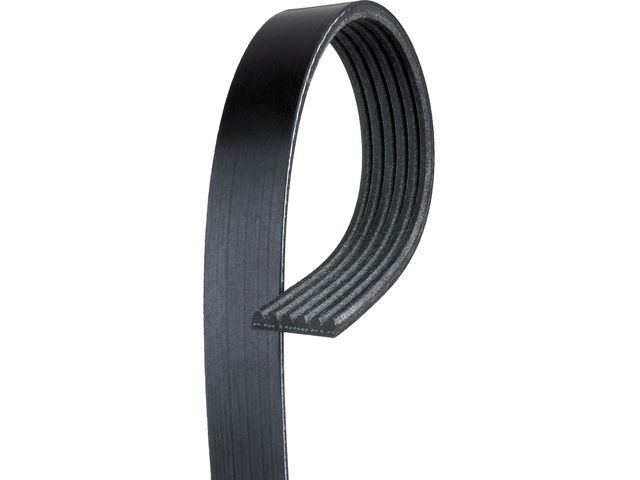
Varies by engine (3.6L V6, 5.7L V8, 6.4L V8). Belts are typically 6-rib EPDM rubber construction. Length is specific to the engine and accessory configuration.
We Have This Part in Stock

The information in this article is provided for general reference and educational purposes only. Vehicle specifications, procedures, and part compatibility can vary by production date, trim level, and region. Always consult your vehicle's factory service manual and verify part numbers before purchasing or performing repairs. Safety-critical components such as airbags, seat belts, and braking systems should be installed by a qualified professional.
- Dodge Challenger: