

Dodge Challenger 2016-2023 Manifold Absolute Pressure (MAP) Sensor: A Complete Guide
Learn to spot the signs of a failing MAP sensor and choose the right aftermarket replacement for your Challenger.
- A failing MAP sensor will almost always trigger a Check Engine Light with codes like P0106, P0107, or P0108.
- Replacement is a very simple DIY task that most owners can complete in under 30 minutes with basic tools.
- For reliability, choose a premium aftermarket brand like Delphi, NGK, or Standard Ignition, which offer OEM-level quality for less than the Mopar part.
- Symptoms like rough idle, hesitation, and poor gas mileage strongly point to a MAP sensor issue, but should be confirmed with a code scanner.
Is Your Challenger's MAP Sensor Failing?
A bad Manifold Absolute Pressure (MAP) sensor can cause a range of noticeable problems. Because it directly affects the air-fuel mixture and ignition timing, a faulty sensor can make your Challenger run poorly. If you notice any of the symptoms below, it's a good idea to have your MAP sensor checked.
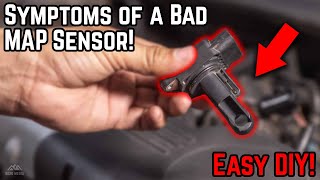
🎬 Learn more about common symptoms and easy fixes for sensors.Common Symptoms of a Bad MAP Sensor:
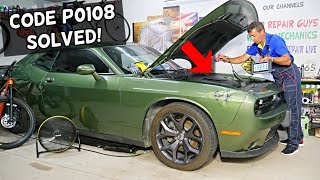
- Check Engine Light: This is often the first sign. Codes like P0106, P0107, or P0108 point directly 🎬 Watch how to diagnose a P0108 code on your Challenger. to the MAP sensor circuit.
- Rough or Erratic Idle: The engine may vibrate, and the RPMs might fluctuate when the car is stopped.
- Poor Acceleration and Power Loss: You might feel a delay or hesitation when you press the gas pedal.
- Reduced Fuel Economy: An incorrect air-fuel mixture can cause your Challenger to use more gas than usual.
- Black Smoke from Exhaust: This indicates the engine is running too rich (too much fuel), which can be caused by a bad MAP sensor reading.
Choosing the Right Aftermarket MAP Sensor
When it's time to replace your MAP sensor, you have several options beyond the dealership. Aftermarket parts offer a wide range of quality and price. For a critical sensor like this, it's important to choose a reliable brand.
OEM vs. Aftermarket
Mopar is the original equipment manufacturer (OEM) for your Challenger, offering a guaranteed fit and performance, but often at a higher price. High-quality aftermarket brands like Delphi, NGK/NTK, and Standard Ignition are often made to meet or exceed OEM standards and can provide excellent value. While budget-friendly options exist, sensors are precise electronic components, and a part that fails prematurely can cause the same driveability issues and require you to do the job twice.
Aftermarket Brand Tiers for Your Challenger
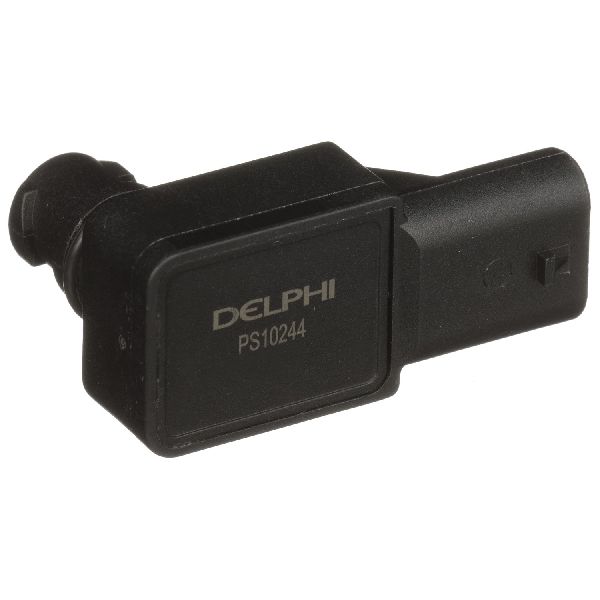
- Premium Aftermarket (Recommended): Brands like Delphi, NGK (NTK), and Standard Ignition have a strong reputation for producing reliable sensors that are tested to OE standards. They are often suppliers to vehicle manufacturers themselves. These are a solid choice for a balance of quality and cost.
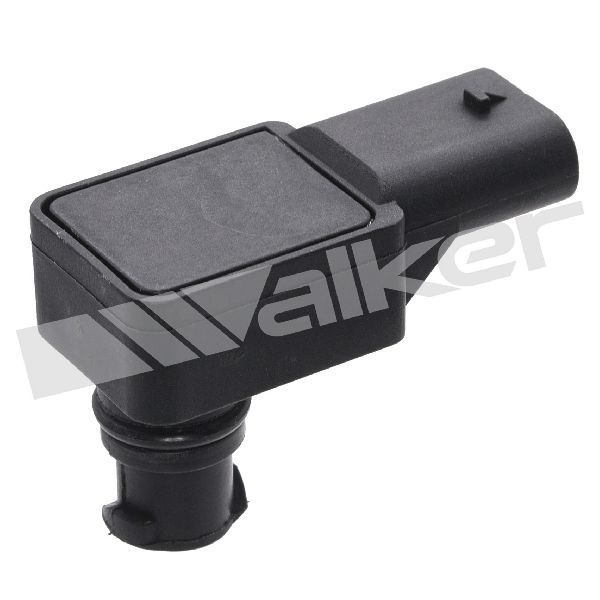
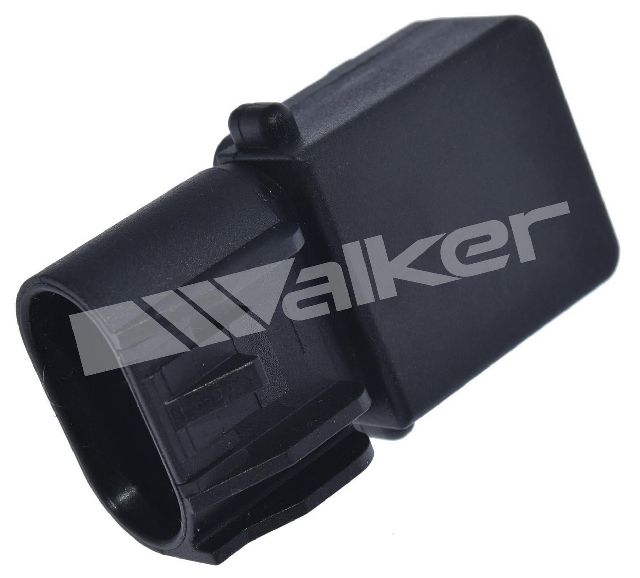
- Standard Aftermarket: Brands such as Walker Products, Spectra, and Holstein offer a good balance of affordability and function. They are a viable option for many owners looking for a cost-effective repair.
- Economy Brands: Options like Crown Automotive and Global Parts are typically the most budget-friendly. While Crown has a decent reputation in the Jeep community, less is known about their sensor reliability for Challengers compared to premium brands.
Estimated Replacement Costs
Replacing the MAP sensor is a relatively inexpensive repair. The part itself is affordable, and the labor is minimal because the sensor is usually easy to access on top of the engine.
| Part or Service | Estimated Cost |
|---|---|
| New OEM (Mopar) Part | $70 - $160 |
| New Aftermarket Part | $26 - $157 |
| Shop Labor | $50 - $100 |
Frequently Asked Questions
Where is the MAP sensor located on a 2016-2023 Dodge Challenger?
On most Challenger engines, including the 3.6L V6 and V8 HEMIs, the MAP sensor is located on the intake manifold, typically near the throttle body at the top of the engine. It is usually held in by a single screw or a twist-lock mechanism and is very easy to access after removing the engine cover.
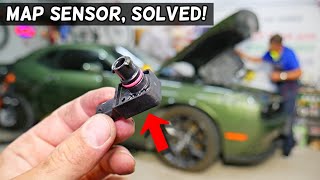
🎬 See exactly where the MAP sensor is located and replaced.Can I clean a MAP sensor instead of replacing it?
While some people try cleaning the sensor with an electronics-safe cleaner, it is generally not recommended as a permanent fix. The sensor's internal components can fail electronically, which cleaning cannot resolve. If the sensor is sending incorrect data, replacement is the only reliable solution.
Is replacing a MAP sensor a difficult DIY job?
No, this is one of the easier DIY jobs. For most Challenger models, it requires only basic hand tools, takes less than 30 minutes, and involves removing the engine cover, disconnecting an electrical connector, and removing the sensor itself. Be careful not to break the plastic locking tabs on the connector or the sensor housing.
Are there any recalls for the Dodge Challenger MAP sensor?
As of early 2026, there are no specific, widespread recalls or Technical Service Bulletins (TSBs) from the NHTSA for MAP sensor failure on the 2016-2023 Dodge Challenger. Failures are typically isolated incidents due to age or electronic malfunction.
Helpful Videos

Technical Specifications
OEM Part Numbers: 68271094AB 68371847AB 68199324AA 5149091AA 56041018AC
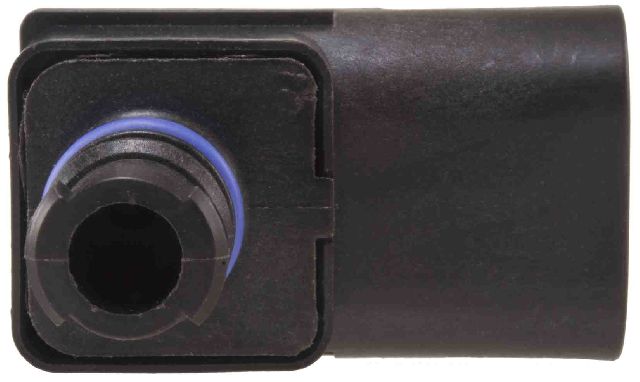
3-terminal, bolt-on or twist-lock plastic body sensor. Located on the intake manifold.
We Have This Part in Stock


The information in this article is provided for general reference and educational purposes only. Vehicle specifications, procedures, and part compatibility can vary by production date, trim level, and region. Always consult your vehicle's factory service manual and verify part numbers before purchasing or performing repairs. Safety-critical components such as airbags, seat belts, and braking systems should be installed by a qualified professional.
- Dodge Challenger: