

Diagnosing and Replacing the Transmission Mount on Your 2016-2023 Ford F-150
That clunking noise when you shift into gear might be a bad transmission mount, a common wear item on the F-150.
- A loud clunk when shifting into gear is the most common symptom of a bad transmission mount on the F-150.
- Be sure to distinguish mount failure from the common harsh shifting issues of the 10-speed transmission, which feel different.
- Budget aftermarket brands like Anchor and DEA have a poor reputation for this part, often causing more vibration than the failed original.
- For a smooth, long-lasting repair, using an OEM Ford mount is the most recommended option for this truck.
What is a Transmission Mount and Why Does It Fail?
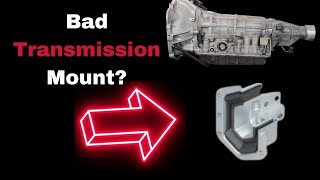
Think of the transmission mount as a heavy-duty rubber and steel sandwich. The metal provides the strength to hold the transmission in place, while the rubber absorbs noise and vibration. Over time, this rubber can break down. Constant exposure to heat, fluids, and the stress of holding a heavy transmission in place causes the rubber to crack, tear, or separate from the metal brackets. When this happens, the mount can no longer do its job effectively.
Symptoms of a Failing Transmission Mount
A bad transmission mount on an F-150 will give you a few clear signs. The most common is a loud clunk or a solid thump when you shift from Park into Drive or Reverse. You might also feel this jolt when you accelerate hard or let off the gas suddenly. Other symptoms include:
🎬 Watch: 7 common signs of a failing transmission mount- Excessive Vibration: You may feel a new vibration in the cab, floor, or steering wheel, especially when idling in gear or accelerating.
- Drivetrain Shudder: Some owners report a shudder or wheel-hop feeling from a stop, which was traced back to a failed mount allowing the drivetrain to shake violently.
- Impact Noises: A hard sound when braking from high speed or during sharp downshifts can also point to a worn-out mount.
Important: Is It Your Mount or the 10-Speed Transmission?
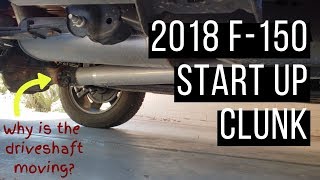
Many 2017-2023 F-150s with the 10-speed automatic transmission are known for having harsh, clunky shifting, especially when cold. This is often due to software or internal transmission issues, not the mount. A bad mount typically makes a single, solid 'clunk' when torque is applied (like shifting into gear). 🎬 See an example of the F-150 start up clunk The 10-speed's issues are more related to clunky gear *changes* while driving. If you only experience harshness between gears, the problem may be internal to the transmission itself.
Choosing the Right Aftermarket Mount
When replacing your F-150's transmission mount, you have a choice between the original Ford part (OEM) and aftermarket brands. For this specific part, the quality difference can be significant.
Budget Aftermarket Brands (e.g., Anchor, DEA)
Brands like Anchor and DEA are widely available and inexpensive. However, forum discussions among truck owners and mechanics are filled with negative reviews for these brands when used on trucks. The most common complaints are that the rubber used is too hard, leading to an increase in cabin vibration compared to the worn-out original part. Fitment can also be an issue, with bolt holes not lining up correctly. While the price is low, their reputation for premature failure and causing new vibration problems makes them a risky choice.
OEM and Premium Aftermarket Brands
For a part that affects ride quality so much, sticking with the Ford OEM mount is the safest bet. Ford updated the mount design for V6 trucks after 2015 with a stiffer unit that solved shuddering problems for some owners. An OEM part ensures you get the correct rubber density designed to absorb your truck's specific vibrations without being too soft or too hard. A premium aftermarket brand that specifically markets itself as an OEM-equivalent in quality would be the next best choice, though for this part, most owners recommend sticking with the dealer part to avoid issues.
Replacement Cost Comparison
| Part Type | Part Cost | Shop Labor Cost | Total Estimated Cost |
|---|---|---|---|
| New Aftermarket (Budget) | $85.37 - $149.59 | $125 - $250 | $210 - $399 |
| New OEM | $150 - $250 | $125 - $250 | $275 - $500 |
Frequently Asked Questions (FAQ)
Can I replace the F-150 transmission mount myself?
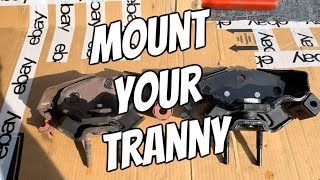
Yes, this is a feasible DIY job for someone with basic tools. The process involves supporting the transmission with a jack, removing a crossmember that holds the mount, and unbolting the old mount. You will typically need 15mm and 21mm sockets. The entire job can usually be done in 1-2 hours in a driveway.
🎬 Follow this step-by-step 2015+ F-150 mount replacement walkthroughAre there any recalls on the 2016-2023 F-150 transmission mount?
No, there are no specific recalls for the transmission mount itself. There have been recalls for the 2017-2018 F-150s related to a roll pin in the 10-speed transmission that could cause a loss of 'Park'. There is also an ongoing NHTSA investigation into 2015-2017 models with the 6-speed (6R80) for sudden, unexpected downshifts. These issues are not related to the mount's function.
Why would a new aftermarket mount cause more vibration?
The rubber in a mount is specifically engineered for a balance of durability and vibration absorption (a property called durometer). Budget aftermarket brands often use a harder, cheaper rubber compound. While this rubber is durable, it's too stiff to absorb the subtle vibrations of the powertrain, transmitting them directly into the truck's frame and making the ride feel harsher than with a worn OEM mount.
How can I be sure the mount is bad?
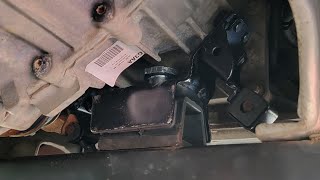
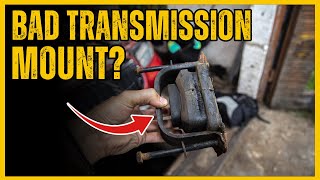
A visual inspection is the best way. Look at the rubber part of the mount for any cracks, tears, or signs that it is sagging or has separated from the metal. You can also have a helper shift the truck from Drive to Reverse with the brake held firmly while you watch the transmission. If you see the transmission lift or move excessively, the mount is likely worn out.
Helpful Videos
Technical Specifications
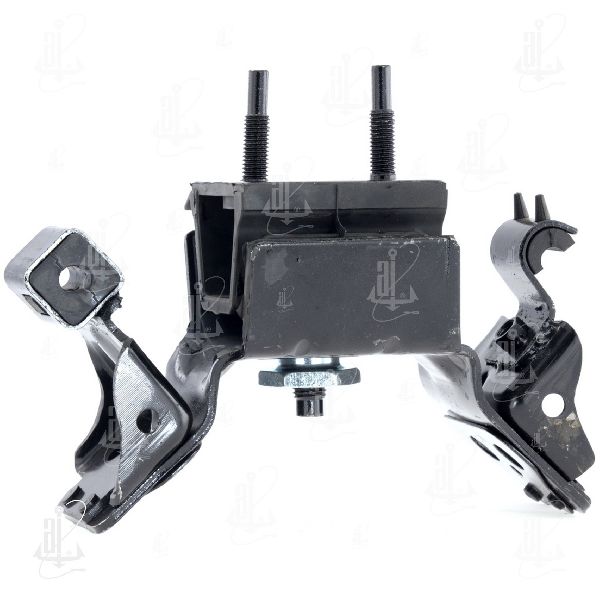
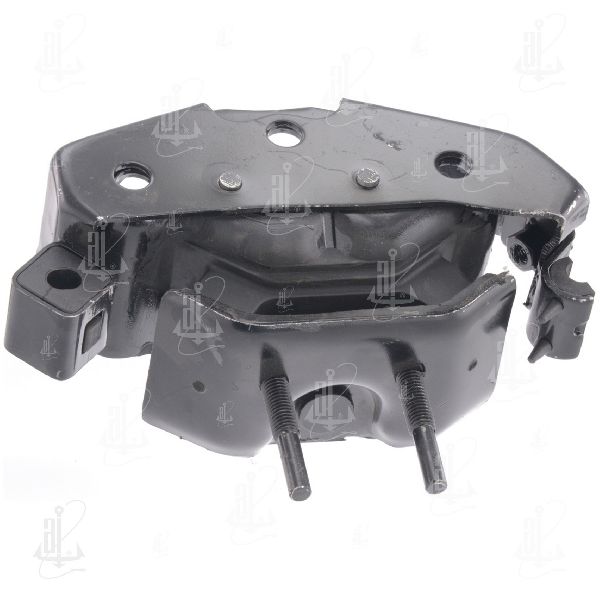
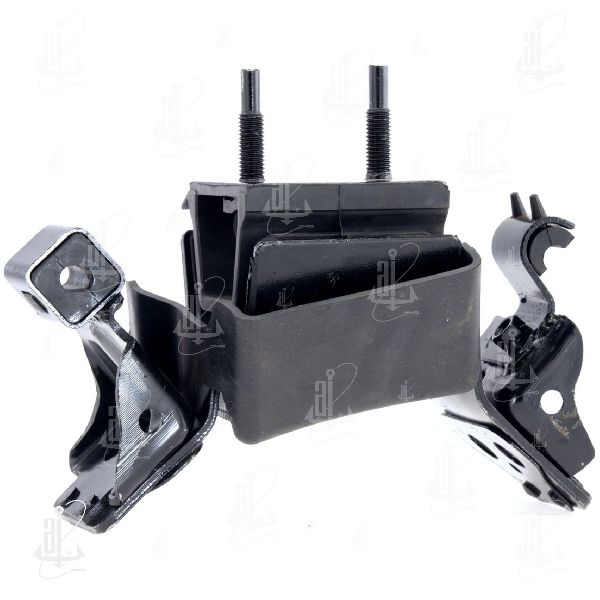
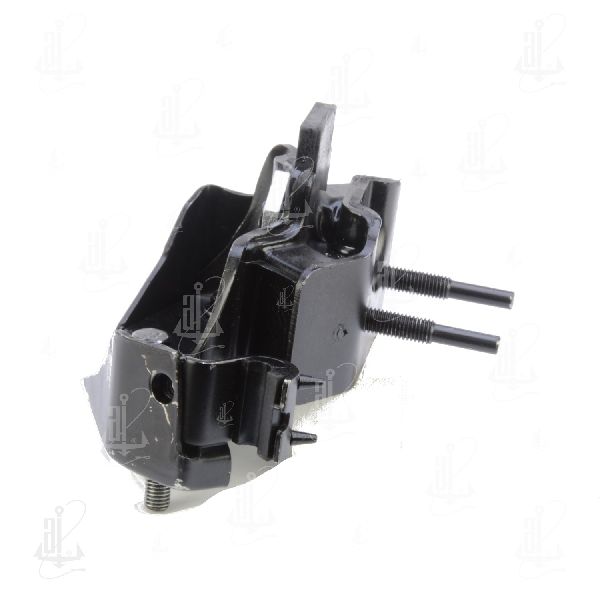
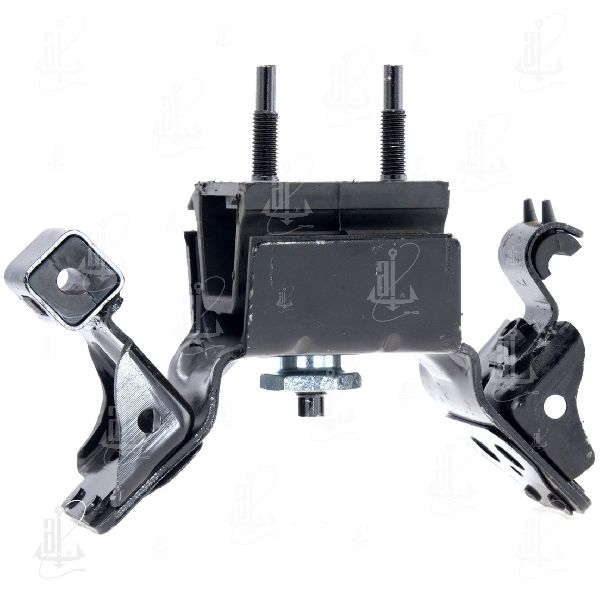
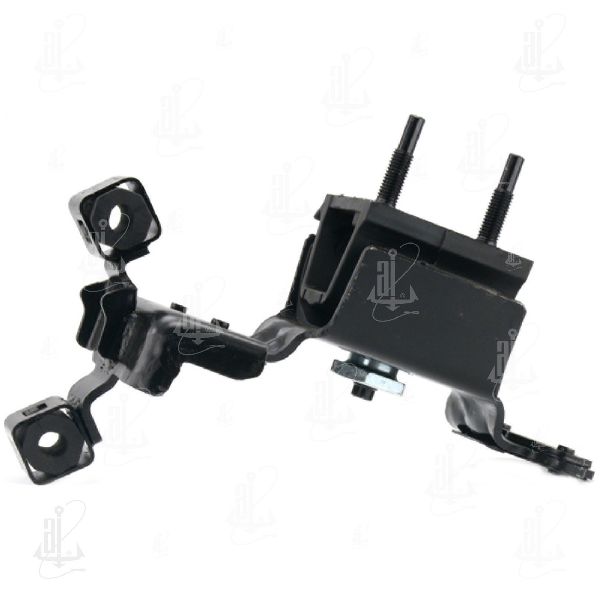
The automatic transmission mount for the 2016-2023 Ford F-150 is a solid-type mount, typically constructed with a steel frame and a bonded rubber insulator. It bolts to the transmission housing and the vehicle's central crossmember.
We Have This Part in Stock

The information in this article is provided for general reference and educational purposes only. Vehicle specifications, procedures, and part compatibility can vary by production date, trim level, and region. Always consult your vehicle's factory service manual and verify part numbers before purchasing or performing repairs. Safety-critical components such as airbags, seat belts, and braking systems should be installed by a qualified professional.
- Ford F-150: