

A Ford F-150 Owner's Guide to Direct Ignition Coil Replacement (2016-2023)
If your F-150's engine is running rough, a bad ignition coil is a likely culprit—here's how to choose the right aftermarket replacement.
- A flashing check engine light means stop driving to prevent expensive catalytic converter damage.
- For reliability, stick with OEM Motorcraft or OEM-equivalent Denso coils; many forum users warn against cheap or inconsistent aftermarket brands.
- Always replace the spark plugs when you replace the ignition coils to ensure a long-lasting repair.
- Replacement is an easy DIY job on 5.0L and 2.7L engines, but the 3.5L EcoBoost is more difficult.
Is Your F-150's Ignition Coil Failing?

A bad ignition coil usually makes itself known through poor engine performance. Because each cylinder has its own coil, the failure of just one can make the entire truck feel wrong. Look for these common symptoms.
Key Failure Symptoms:
- Check Engine Light: This is often the first warning. If the light is flashing, it signals a severe engine misfire that can quickly damage expensive parts like your catalytic converter. It's best to pull over and get the code read as soon as possible.
- Rough Idle and Misfires: You'll feel a distinct shaking, stumbling, or shuddering from the engine. This is most noticeable when you're stopped at a light or when accelerating.
- Loss of Power: Your truck will feel sluggish and won't accelerate like it normally does.
- Worse Fuel Economy: A misfiring cylinder wastes fuel, so you'll notice you're filling up your tank more often.
- Engine Noises or Backfiring: In some cases, unburned fuel can ignite in the exhaust system, causing a loud bang or a coughing sound from the tailpipe.
Choosing the Right Aftermarket Ignition Coil

When shopping for a replacement, you'll find many brands at different price points. While OEM Motorcraft coils are the benchmark, several aftermarket brands offer a good balance of quality and value. Here’s how they generally stack up based on owner and mechanic feedback.
Brand Quality Tiers
- Tier 1: OEM Equivalent
These brands are known to be original equipment suppliers or are widely regarded as having the same quality as the factory part. They are the safest bet for reliability.
Brands: Denso, Motorcraft (OEM).
Honest Assessment: Many forum users report that Denso is the actual manufacturer for Motorcraft coils. Choosing Denso can often get you OEM quality for a lower price. These are highly recommended for a hassle-free repair. - Tier 2: Performance Aftermarket
These brands are designed to offer more voltage or a "hotter spark" than stock coils. They are popular with enthusiasts but have mixed reviews on longevity.
Brands: MSD, Granatelli.
Honest Assessment: MSD is a huge name in ignition systems. Some users report a smoother idle and better throttle response. However, others have experienced premature failures and recommend sticking with OEM coils for daily driving. They are a premium-priced option. Granatelli also has reports of early failure. These are best for owners prioritizing performance over maximum reliability. - Tier 3: Standard Aftermarket
These are well-known aftermarket brands that offer a direct replacement for the original part. Quality can be inconsistent compared to OEM.
Brands: Accel, Hella, Karlyn STI, Prenco.
Honest Assessment: Accel is a very common brand that claims performance benefits, but they have a poor reputation in F-150 forums for failing much sooner than OEM parts. While some have no issues, many owners advise avoiding them. For other standard brands, quality can be a gamble.
Replacement Cost for 2016-2023 Ford F-150 Ignition Coils

The cost can vary depending on the brand you choose and whether you do the work yourself. The job is simple enough for most DIYers.
| Part/Service | Estimated Cost |
|---|---|
| New OEM (Motorcraft) Coil (1) | $50 - $90 |
| New Aftermarket Coil (1) | $28 - $100+ |
| Shop Labor (1 Coil) | $50 - $100 |
| Shop Labor (All Coils) | $100 - $250+ |
Note: Labor for the passenger side of a 3.5L EcoBoost engine will be higher as it requires more work to access the coils.
Known Issues and Service Bulletins
There are no widespread safety recalls for ignition coils on the 2016-2023 F-150. However, a Technical Service Bulletin (TSB) was issued for some 2021-2023 F-150 models with the 3.5L PowerBoost hybrid engine that could experience misfires. Generally, the EcoBoost engines are considered to be harder on ignition components, making the use of high-quality parts even more important.
Frequently Asked Questions (FAQ)
Should I replace all ignition coils at once?
This is a common debate. Coils are wear items and tend to have similar lifespans, so if one fails, others may soon follow. Replacing them all provides peace of mind. However, to save money, it is perfectly fine to only replace the single failed coil. A good strategy is to replace the bad one and keep a new spare in your truck.
Do I need to replace my spark plugs at the same time?
Yes, it is highly recommended. A worn or improperly gapped spark plug can put extra strain on the ignition coil, causing it to fail prematurely. Replacing them together ensures the entire ignition system is healthy.
Is this a difficult job to do myself?
No, for most F-150 engines, this is a very easy DIY job that takes less than an hour. It typically requires only an 8mm socket, a ratchet, and a small screwdriver. The coils on the passenger side of the 3.5L EcoBoost are more difficult to access and may require removing the intake manifold.
What is dielectric grease and do I need it?
Dielectric grease is a non-conductive, silicone-based grease applied to the inside of the ignition coil boot before installing it. It helps seal out moisture and prevents corrosion. Using a small dab is a recommended step for a long-lasting repair.
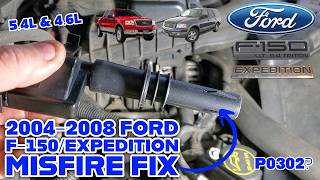
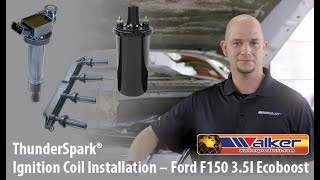
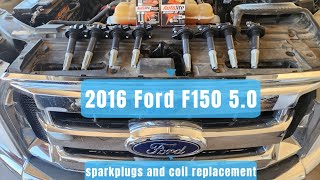
Helpful Videos
Technical Specifications
OEM Part Numbers: DG542 DG564 BL3Z-12029-C GN10636
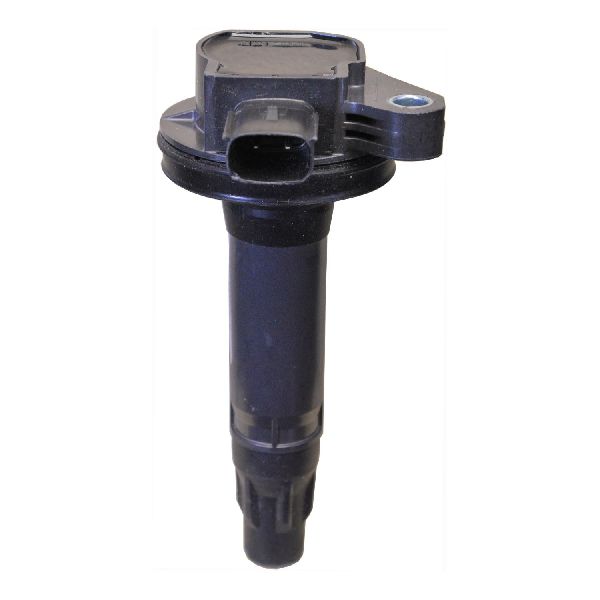
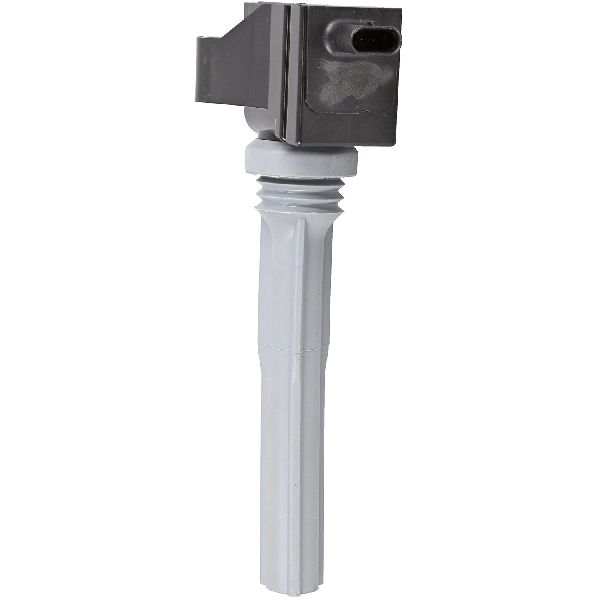
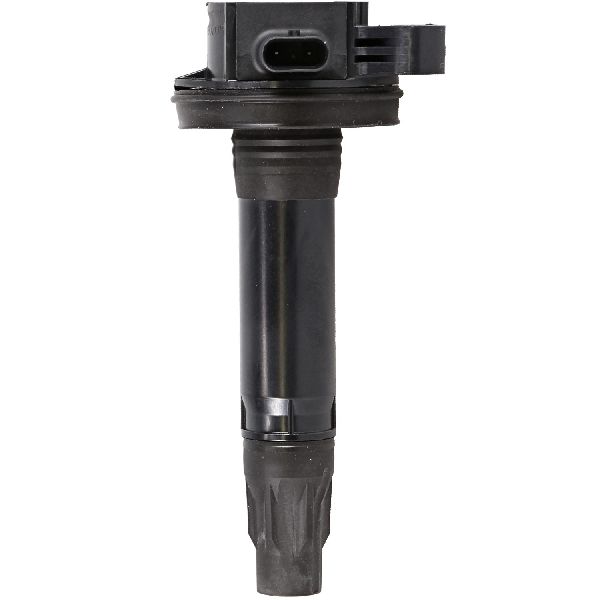
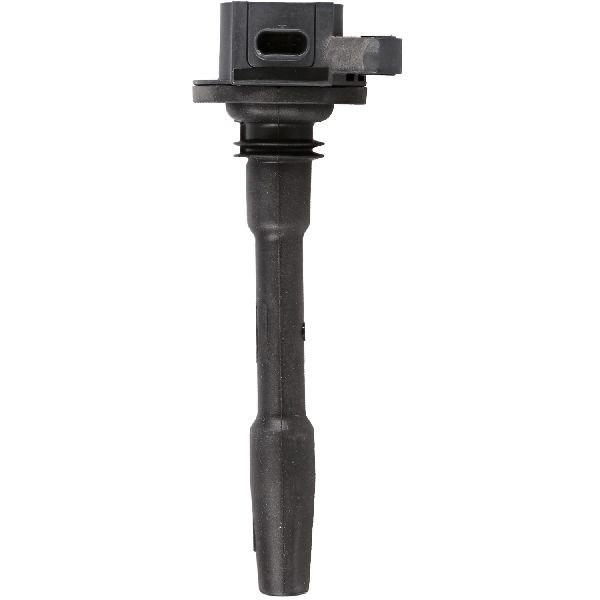
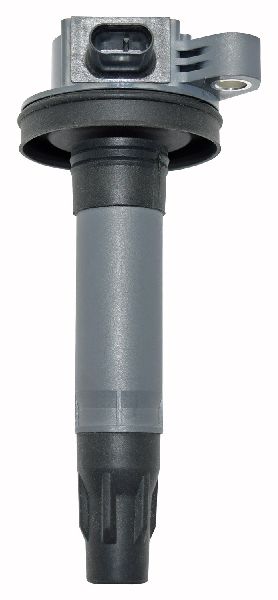
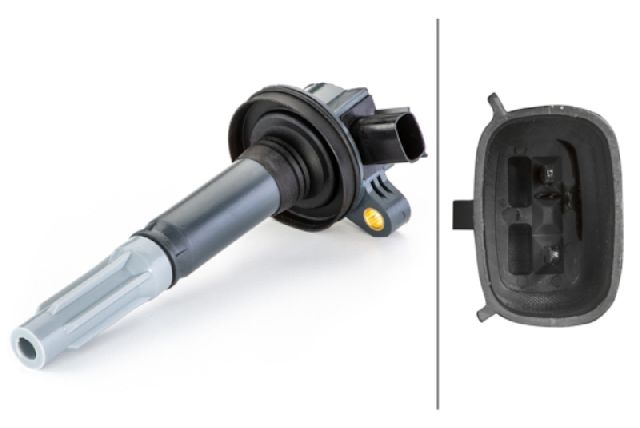
All 2016-2023 Ford F-150 models use a coil-on-plug (COP) ignition system. V8 engines require 8 coils, while V6 engines require 6 coils. Each coil is held in place by a single 8mm bolt.
We Have This Part in Stock

The information in this article is provided for general reference and educational purposes only. Vehicle specifications, procedures, and part compatibility can vary by production date, trim level, and region. Always consult your vehicle's factory service manual and verify part numbers before purchasing or performing repairs. Safety-critical components such as airbags, seat belts, and braking systems should be installed by a qualified professional.
- Ford F-150: