

2016-2023 GMC Yukon Engine Oil Pressure Switch Replacement Guide
An erratic or zeroed-out oil pressure gauge on your Yukon is a common issue you can often fix yourself.
- A faulty oil pressure switch is a very common issue on 2016-2023 GMC Yukons, often causing alarming but false low-pressure warnings.
- Always replace the small filter screen underneath the sensor at the same time; a clogged screen causes identical symptoms.
- The location of the sensor determines the difficulty; some are at the front of the engine (easy) while many are at the rear firewall (difficult).
- Before starting the repair, confirm the actual oil pressure with a mechanical gauge to rule out a more serious internal engine problem.
Is Your Yukon's Oil Pressure Gauge Acting Up?

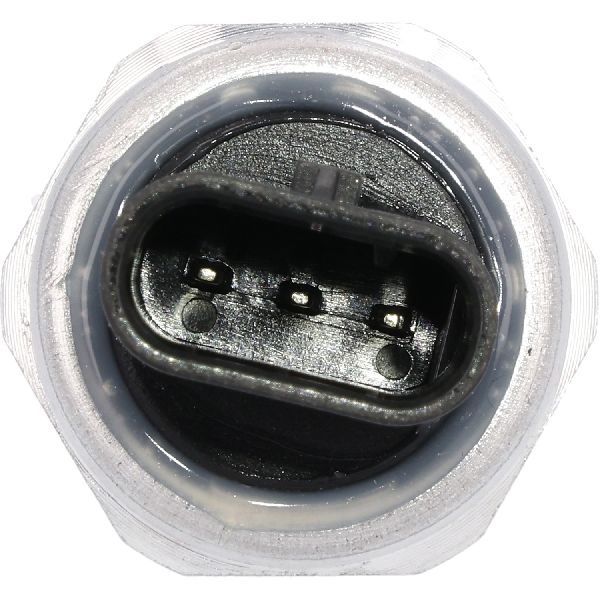
If you own a 2016-2023 GMC Yukon, you might experience a common problem: the oil pressure gauge behaving strangely. It might drop to zero, peg at the maximum, or flicker back and forth. Often, the "Stop Engine, Low Oil Pressure" warning will appear, causing alarm. While this can indicate a serious engine problem, many times the culprit is simply a failed engine oil pressure switch. This guide will walk you through the symptoms, what to look for in a replacement part, and what the job entails.
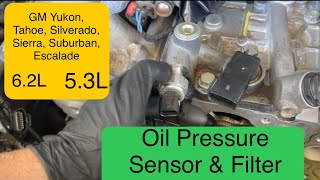
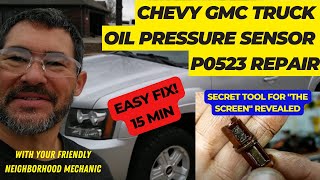
🎬 Watch this complete sensor and filter screen replacement walkthrough.Symptoms of a Failing Oil Pressure Switch
A bad oil pressure switch can mimic the signs of a major engine failure, but it's important to know the difference. Here’s what to watch for:
- Erratic Gauge Readings: The most common symptom is the oil pressure gauge on your dash giving illogical readings. It might be stuck at zero, maxed out at 80 psi, or fluctuate wildly while driving.
- Low Oil Pressure Warning Light: A faulty sensor can trigger the low oil pressure warning light, even if the oil level and actual pressure are perfectly fine.
- Check Engine Light: The engine's computer expects a certain range of signals from the sensor. When it receives data that's out of bounds, it will trigger a Check Engine Light. Common codes include P0520, P0521, P0522, and P0523.
Don't Ignore a Low-Pressure Warning
Even though a bad sensor is a likely cause, you should never ignore a low oil pressure warning. Always check your oil level immediately. If the level is good, it's wise to have the actual oil pressure tested with a mechanical gauge to rule out a more serious issue like a failing oil pump before assuming the sensor is the only problem.
The Clogged Filter Screen: A Hidden Problem

On many GM V8 engines, there is a small, thimble-shaped filter screen located in the oil passage directly beneath the pressure switch. This screen is designed to protect the sensor from sludge and debris. Over time, this screen can become clogged, restricting oil flow to the sensor and causing the exact same symptoms as a failed switch. Many mechanics recommend replacing this screen whenever you replace the sensor, as a clogged screen can make a new sensor read incorrectly.
Choosing an Aftermarket Oil Pressure Switch

When replacing the oil pressure switch, you have the choice between an original equipment (OEM) part from GM and several aftermarket brands. For a critical sensor like this, quality is important.
- Standard Ignition (SMP): Generally considered a top-tier aftermarket brand, Standard Motor Products often manufactures parts for original automakers. Their switches are known for quality construction and often include the necessary filter screen, making them a reliable choice. However, some users have reported premature failures, so purchasing from a reputable source is key.
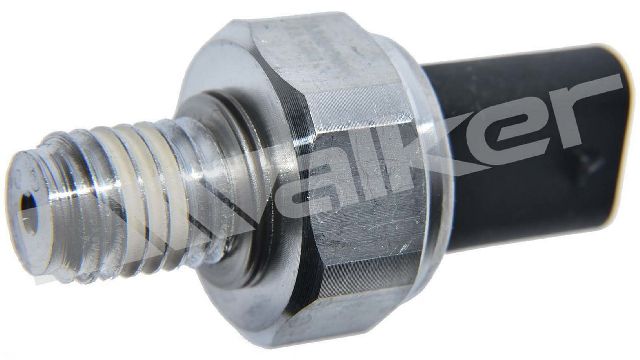
- Walker Products: Walker is another established aftermarket manufacturer with a long history. They engineer their parts to meet or exceed OE specifications and focus on durability and accurate readings.
- Global Parts: This brand may fall into the budget or standard-grade category. While more affordable, the long-term reliability might not match that of premium aftermarket or OEM parts. For a part that is labor-intensive to replace, investing in a higher-quality brand is often recommended.
Pro Tip: OEM vs. Aftermarket
For this specific part on the Yukon, the labor to access it can be significant. Because of this, many experienced technicians and owners recommend using either a high-quality aftermarket part from a brand like Standard Ignition or sticking with the AC Delco (GM's OEM parts brand) sensor. The price difference is often minimal compared to the potential hassle of replacing a cheaper part that fails prematurely.
| Part Type | Cost Range |
|---|---|
| New Aftermarket | $46.16 - $58.46 |
| New OEM (AC Delco) | $45 - $70 |
| Shop Labor | $150 - $300 |
Frequently Asked Questions (FAQ)

Where is the oil pressure switch on a 2016-2023 GMC Yukon?
For the V8 engines in this generation, the location can vary. On some earlier models in this range, the sensor is located at the very back of the engine block, near the firewall on the driver's side. It is notoriously difficult to reach without special tools. On some later models (around 2015+), the sensor was moved to the front of the engine, making it much easier to access. It's critical to identify your specific engine and sensor location before starting the job.
Can I replace the Yukon's oil pressure switch myself?
Yes, this is a DIY-feasible job for someone with moderate mechanical skill, especially if the sensor is on the front of the engine. If it's at the rear of the engine, the job is much harder due to the tight space. It requires patience, specific tools like a special oil pressure switch socket (typically 1 1/16" or 27mm), extensions, and a swivel joint. Many owners find they have to lie on top of the engine to reach it.
🎬 Watch a pro tip on the easiest way to reach the sensor.Do I need to replace the filter screen too?
It is highly recommended. A clogged screen can cause the same symptoms as a bad sensor and will prevent a new sensor from working correctly. Some replacement sensors come with a new screen. If not, it should be purchased separately.
🎬 See how to properly remove the small filter screen.Are there any recalls for this issue?
As of early 2026, there are no specific recalls for the oil pressure switch itself. However, there have been TSBs (Technical Service Bulletins) like 24-NA-173 related to DTC P0521, which can be caused by a stuck oil pressure relief valve in the oil pump, not just the sensor. There was also a recall (25V-274) for some 2021-2024 6.2L engines for issues that could lead to engine failure, but this was not directly related to the pressure sensor.
Helpful Videos

Technical Specifications
OEM Part Numbers: 12677836 12616646 D1846A 12727099
Requires a special 1-1/16 inch (27mm) oil pressure switch socket for removal and installation. Torque specification is typically around 15-22 ft-lbs, but be careful not to overtighten as the sensor body is aluminum.
We Have This Part in Stock


The information in this article is provided for general reference and educational purposes only. Vehicle specifications, procedures, and part compatibility can vary by production date, trim level, and region. Always consult your vehicle's factory service manual and verify part numbers before purchasing or performing repairs. Safety-critical components such as airbags, seat belts, and braking systems should be installed by a qualified professional.
- GMC Yukon:
- 🎬 Helpful Videos
- 🛍️ Shop This Part
- Is Your Yukon's Oil Pressure Gauge Acting Up?
- Symptoms of a Failing Oil Pressure Switch
- Don't Ignore a Low-Pressure Warning
- The Clogged Filter Screen: A Hidden Problem
- Choosing an Aftermarket Oil Pressure Switch
- Pro Tip: OEM vs. Aftermarket
- Frequently Asked Questions (FAQ)
- 🎟️ Get 5% Off