

Subaru Impreza Brake Light Switch Guide for 2016-2023 Models
Understanding why a small switch can cause big problems in your Impreza, from brake lights to dashboard warnings.
- A faulty brake light switch can cause numerous, seemingly unrelated warning lights (ABS, VDC, Check Engine).
- This is a known issue, with a major recall affecting models up to 2016 due to silicone contamination.
- The updated OEM part (83311FJ001) is inexpensive and specifically designed to prevent this failure.
- Replacement is simple, takes under 30 minutes, and is a common DIY repair for Impreza owners.
The Impreza's Critical Brake Sensor

A faulty brake light switch on a 2016-2023 Subaru Impreza can be confusing. You might see a dashboard lit up with warning lights and assume the problem is serious and expensive. Often, the issue is just this small, inexpensive switch located by your brake pedal. Because this switch provides vital information to systems like Vehicle Dynamics Control (VDC), ABS, and EyeSight, its failure can trigger a cascade of warnings.
Known Issue: Silicone Contamination & Recalls
Subaru issued a major recall (NHTSA Campaign #19V149000) for many vehicles, including the 2008-2016 Impreza, for a faulty brake light switch. The problem was that silicone gas from common interior cleaning products could get inside the switch and form a residue on the electrical contacts. 🎬 See how silicone contamination causes these switches to fail. This residue prevents electricity from flowing, so the car doesn't know you're pressing the brakes. This can stop your brake lights from working, prevent you from shifting out of park, or even keep the engine from starting. Additionally, a smaller recall was issued for a small number of 2023 Imprezas for an improperly adjusted switch from the factory.
Symptoms of a Failing Brake Light Switch

When this switch starts to fail, your Impreza will give you clear signs. Recognizing them can save you a headache and a costly diagnostic fee.
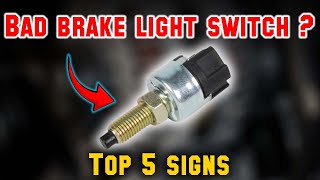
🎬 Watch: A breakdown of symptoms you shouldn't ignore.- Brake Lights Don't Work or Stay On: The most obvious symptom is your brake lights not lighting up when you press the pedal, which is a major safety risk. They could also get stuck and stay on, draining your battery.
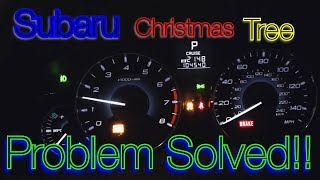
- Multiple Dashboard Warning Lights: You may see a combination of warning lights for the ABS, Vehicle Dynamics Control (VDC), and Hill Start Assist. The check engine light may also appear.
- Can't Shift Out of Park: The automatic transmission requires a signal from the brake switch to allow the shifter to move out of the 'Park' position.
- Push-Button Start Fails: If you have a keyless ignition, the car may not start because it doesn't detect that the brake pedal is depressed.
- Cruise Control or EyeSight Issues: The cruise control may not engage, or the EyeSight system may become disabled.
Choosing the Right Aftermarket Replacement

When replacing the brake light switch, you have a choice between a new OEM part and an aftermarket one.
Pro Tip: Subaru updated the original part to fix the contamination problem. The new OEM switch (Part No. 83311FJ001) has a blue body instead of the old gray one and uses a special fluorine grease to protect the contacts. Given the low cost of this updated OEM part (often found for $15-$25), it is a highly recommended choice.
Aftermarket Options: Standard Ignition
Standard Ignition (also known as Standard Motor Products) is a well-regarded aftermarket brand that produces replacement switches. These parts are designed to match the fit and function of the original. While they are a reliable alternative, it's important to compare pricing. The updated OEM part is specifically designed to address the known failure mode in these vehicles and is often more affordable.
| Part Type | Estimated Cost |
|---|---|
| New OEM | $15 - $25 |
| New Aftermarket (Standard Ignition) | $86.33 - $110.89 |
| Shop Labor | $50 - $100 |
Frequently Asked Questions

Why are my ABS and VDC lights on because of a brake switch?
The ABS and VDC systems need to know when you are braking to work correctly. If the brake light switch fails, these systems lose a critical piece of information, so they disable themselves as a safety measure and turn on their warning lights.
Is it difficult to replace the brake light switch myself?
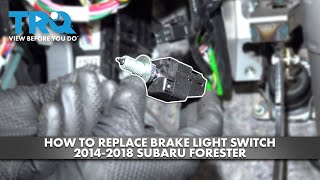
No, this is a very DIY-friendly repair. The switch is located on a bracket above the brake pedal. The job involves unplugging the electrical connector, twisting the old switch to remove it, and then installing the new one. It typically takes less than 30 minutes.
🎬 Watch: A quick walkthrough of the replacement process.My car is a 2017 model. Is it affected by the recall?
The main recall for silicone contamination covered Impreza models up to 2016. However, the part design and potential for failure can be similar on later models. Given the symptoms and low cost of the part, replacement is a common and effective repair for 2017-2023 models as well.
How do I know if I have the old gray switch or the new blue one?
You will need to look under the dashboard above your brake pedal. The body of the switch is visible. The old, failure-prone switch is gray, while the updated, more robust version is blue and may have a green paint mark.
Helpful Videos
Technical Specifications
OEM Part Numbers: 83311FJ001 83311FJ000 83311FG011 83311FG010
Updated OEM switch is identified by a blue body and green paint mark, and uses fluorine grease to prevent contamination.
We Have This Part in Stock


The information in this article is provided for general reference and educational purposes only. Vehicle specifications, procedures, and part compatibility can vary by production date, trim level, and region. Always consult your vehicle's factory service manual and verify part numbers before purchasing or performing repairs. Safety-critical components such as airbags, seat belts, and braking systems should be installed by a qualified professional.
- Subaru Impreza: