

Chevrolet Camaro Engine Camshaft Position Sensor: A 2016-2024 Guide
Diagnose and fix engine hesitation and check engine lights on your 6th Gen Camaro by understanding its camshaft position sensor.
- First, confirm your engine: V6 engines have four sensors at the rear, while V8s have one at the front.
- Symptoms include a check engine light (P0340, P0345), rough idle, stalling, and difficulty starting.
- Before replacing the sensor, inspect the wiring harness for damage, as chafed wires can cause identical symptoms.
- For best results, choose an OEM (ACDelco) or OEM-equivalent (Delphi) brand to ensure electronic compatibility.
Is Your Camaro's Camshaft Position Sensor Failing?
A bad camshaft position sensor can cause noticeable problems with your car's performance. Because the sensor's signal is so important for engine timing, a failure can make your Camaro run poorly or even leave you stranded. Recognizing the signs early can save you from a bigger headache down the road.
Key Symptoms of a Bad Sensor:
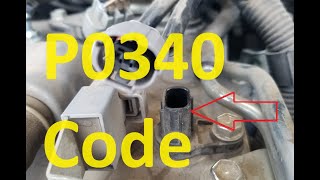
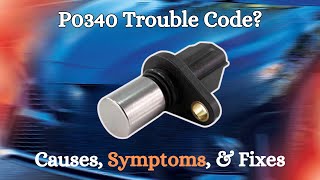
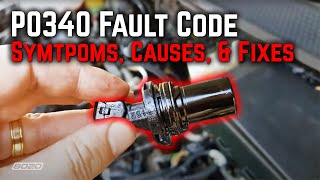
- Check Engine Light: This is often the first and most obvious sign. The ECM will store a diagnostic trouble code (DTC) like P0340 or P0345. 🎬 Watch: 7 common causes for the P0340 code
- Engine Hesitation or Stumbling: The car may feel sluggish, hesitate during acceleration, or run erratically.
- Rough Idle: Your Camaro might shake or vibrate more than usual when stopped or in park.
- Engine Stalling: The engine may shut off unexpectedly while idling or even while driving, which can be dangerous.
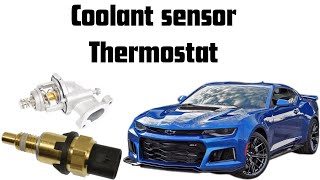
- Trouble Starting: A faulty sensor can lead to long crank times or prevent the engine from starting at all. 🎬 Watch: How to fix a slow starting 6th Gen Camaro
- Reduced Fuel Economy: When the ECM can't get an accurate reading, it can't optimize fuel delivery, leading to more trips to the gas station.
V6 vs. V8 Engines: A Critical Difference
Before buying a replacement part, you MUST know which engine your Camaro has. The number and location of the sensors are completely different.
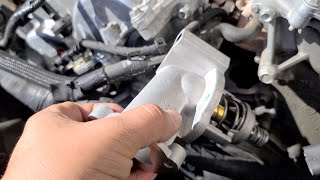
- 3.6L V6 (LGX): This engine has four camshaft position sensors. They are located on the back of the cylinder heads, near the firewall. 🎬 See this video for V6 sensor and VVT locations
- 6.2L V8 (LT1/LT4): This engine has only one camshaft position sensor. It is located on the front of the engine, on the timing cover.
Ordering the wrong part or looking in the wrong place is a common mistake.
Choosing the Right Aftermarket Camshaft Sensor
When it comes to electronic sensors, quality and compatibility are key. While many brands are available, they generally fall into a few quality tiers.
Tier 1: OEM & OEM-Equivalent Brands
These brands are either the original equipment manufacturer or are known for meeting the same strict standards. For a critical sensor, this is the safest choice to avoid compatibility issues.
- ACDelco: As GM's official parts brand, this is the true OEM part. You can't go wrong with ACDelco for a guaranteed fit and function.
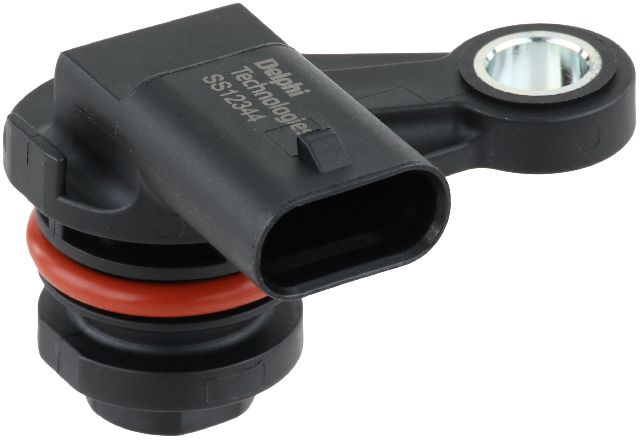
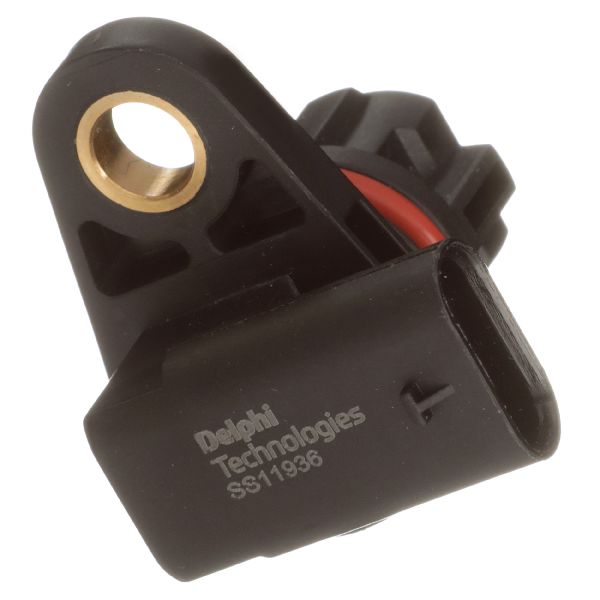
- Delphi: Delphi was once part of GM and is a major OEM supplier for many electronic components. Often, the Delphi part is identical to the ACDelco part, just in a different box.
Tier 2: Reputable Aftermarket Brands
These brands are well-known in the aftermarket and produce reliable parts. They offer a good balance of quality and value.
- NGK/NTK: Known for excellence in ignition and sensor technology.
- Hitachi: A major OEM supplier for many Japanese brands, they also make high-quality parts for domestic vehicles.
- Standard Motor Products (SMP): A long-standing company that often engineers solutions to common OEM problems.
- Dorman: Offers a wide range of aftermarket parts, though some forum users have reported mixed results with their electronic components.
Tier 3: Value-Oriented Brands
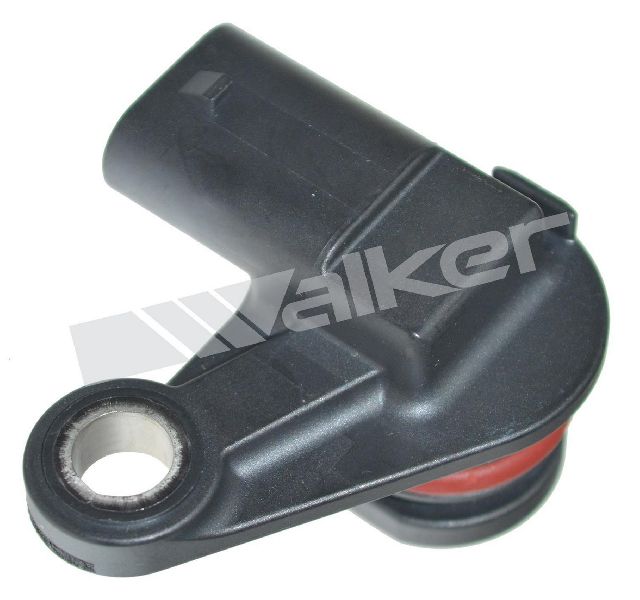
Brands like Holstein, Walker Products, and Global Parts offer a budget-friendly option. While they can be a good value, they may not have the same level of testing or longevity as higher-tier brands. For a part that is relatively inexpensive and simple to replace, they can be a viable choice if you are on a tight budget.
Pro Tip: Check the Wires First!
Before you spend money on a new sensor, take a close look at the wiring harness and connector. On some GM vehicles, the wiring loom can rub against a metal bracket on the engine, eventually cutting into the wires and causing the exact same symptoms as a failed sensor. A simple wire repair could be all you need.
Replacement Cost for a 2016-2024 Camaro
The cost to replace a camshaft position sensor depends on your engine and whether you do it yourself or use a professional mechanic.
| Item | Estimated Cost |
|---|---|
| New Aftermarket Sensor | $18 - $83 |
| New OEM (ACDelco) Sensor | $45 - $100 |
| Shop Labor | $120 - $180 (approx. 1 hour) |
| Total Professional Replacement | $140 - $280 |
Frequently Asked Questions
How many camshaft position sensors does my Camaro have?
If you have the 3.6L V6 engine, you have four sensors. If you have the 6.2L V8 engine, you have one sensor.
What's the difference between a camshaft sensor and a VVT solenoid?
This is a common point of confusion. The camshaft position sensor reads the camshaft's position. The VVT solenoid (or actuator) is a separate part that uses oil pressure to physically change the camshaft's timing based on commands from the ECM. On the V6 engine, the VVT solenoids are on the front of the engine, while the camshaft position sensors are on the back.
Is it okay to drive with a bad camshaft position sensor?
It is not recommended. While the car may still run, you risk sudden stalling, which is a major safety hazard. Continuing to drive can also lead to poor performance, bad fuel economy, and potentially damage other components like the catalytic converter over time.
Is an OEM sensor really better than aftermarket for my Camaro?
For critical electronic sensors, using an OEM (ACDelco) or OEM-supplier (Delphi) part is highly recommended. These parts are guaranteed to have the correct electronic specifications for your Camaro's computer. While quality aftermarket brands are often fine, they carry a slightly higher risk of causing subtle performance issues or failing prematurely.
Are there any recalls for this part?
No. As of early 2026, there are no specific NHTSA safety recalls for the camshaft position sensor on the 2016-2024 Chevrolet Camaro. There is a technical service bulletin (TSB) for older GM V6 models regarding poor wiring connections, which can be a useful diagnostic tip.
Helpful Videos

Technical Specifications
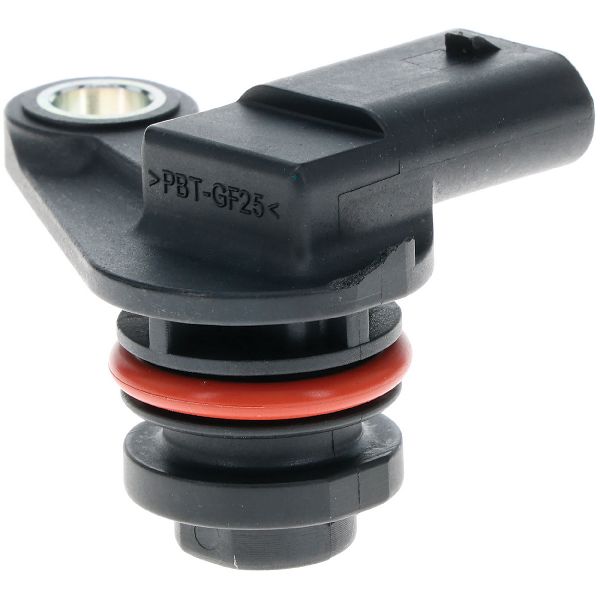
OEM Part Numbers: 12646782
The number and location of sensors vary by engine. The 3.6L V6 uses four sensors (OEM Part #12646782 is one example), while the 6.2L V8 uses one sensor.
We Have This Part in Stock


The information in this article is provided for general reference and educational purposes only. Vehicle specifications, procedures, and part compatibility can vary by production date, trim level, and region. Always consult your vehicle's factory service manual and verify part numbers before purchasing or performing repairs. Safety-critical components such as airbags, seat belts, and braking systems should be installed by a qualified professional.
- Chevrolet Camaro:
- 🎬 Helpful Videos
- 🛍️ Shop This Part
- Is Your Camaro's Camshaft Position Sensor Failing?
- Key Symptoms of a Bad Sensor:
- V6 vs. V8 Engines: A Critical Difference
- Choosing the Right Aftermarket Camshaft Sensor
- Tier 1: OEM & OEM-Equivalent Brands
- Tier 2: Reputable Aftermarket Brands
- Tier 3: Value-Oriented Brands
- Pro Tip: Check the Wires First!
- Replacement Cost for a 2016-2024 Camaro
- Frequently Asked Questions
- 🎟️ Get 5% Off