

Ford Expedition Catalytic Converter: A Guide for 2016-2024 Models
Everything you need to know before replacing the catalytic converter on your 3.5L EcoBoost Expedition.
- Before buying parts, have a Ford dealer check your VIN for recalls (like 24E13) and TSBs (like 21-2381) that might fix your issue for free.
- Your Expedition may be covered by the 8-year/80,000-mile federal emissions warranty; check before paying for a replacement.
- Always diagnose and fix the root cause of the original failure (e.g., misfires, fuel issues) to avoid damaging the new converter.
- Choose a 'direct-fit' converter that is compliant with your state's emissions laws (Federal EPA or CARB).
Is Your Expedition's Catalytic Converter Failing?
A failing catalytic converter isn't always obvious, but there are several common signs. The first and most common is the check engine light coming on. If you scan the codes, you will likely see P0420 (Catalyst System Efficiency Below Threshold Bank 1) or P0430 (Catalyst System Efficiency Below Threshold Bank 2). You might also notice your Expedition feels sluggish or slow to accelerate, as if it's lost power. Other symptoms include a rotten egg or sulfur smell from the exhaust, a rattling noise from under the vehicle, and a noticeable drop in fuel economy.
Important: Check for Recalls and TSBs First!
Before you buy any parts, check if your Expedition is covered by a recall or technical service bulletin (TSB). Some 2020-2021 models may throw a P0420/P0430 code due to high sulfur fuel, which can sometimes be fixed with a specific drive cycle procedure (TSB 21-2381/22-2260). Additionally, Emission Recall 24E13 affects some 2018-2021 models where a software glitch can falsely trigger a P0430 code; the fix is a simple PCM update at the dealer, not a new converter. Always have a Ford dealer check your VIN for open recalls or service campaigns.
Choosing the Right Aftermarket Converter
When replacing your Expedition's catalytic converter, you have a choice between expensive OEM parts from Ford and more affordable aftermarket options. While some mechanics prefer OEM for its guaranteed fit and longevity, a quality aftermarket part can be a smart, cost-effective choice. Aftermarket converters come in different grades and types.
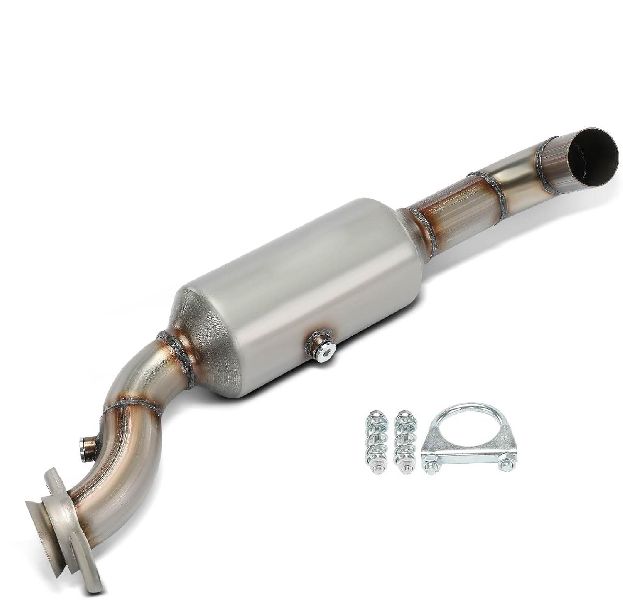
- Direct-Fit vs. Universal: Direct-fit converters are designed to bolt directly into your Expedition's exhaust system without any cutting or welding, making installation much easier. Universal converters are cheaper but require a professional to cut and weld them into place. For a 2016-2024 Expedition, a direct-fit model is highly recommended.
- Emissions Compliance (EPA vs. CARB): This is critical. You must buy a converter that is legal in your state. Most states follow federal EPA standards. However, California, Colorado, New York, and Maine have stricter rules and require CARB-compliant converters, which are more expensive. Check your vehicle's emissions sticker (usually in the engine bay) and local laws before buying.
Aftermarket Brand Tiers
Not all aftermarket brands are the same. For your Expedition, they generally fall into these categories:
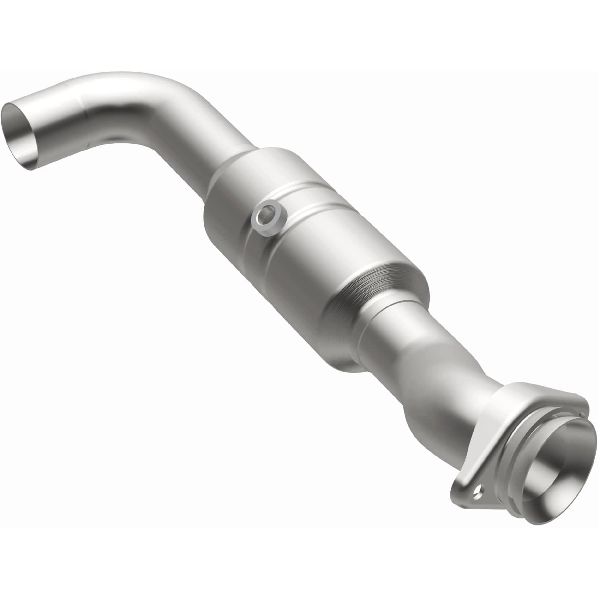
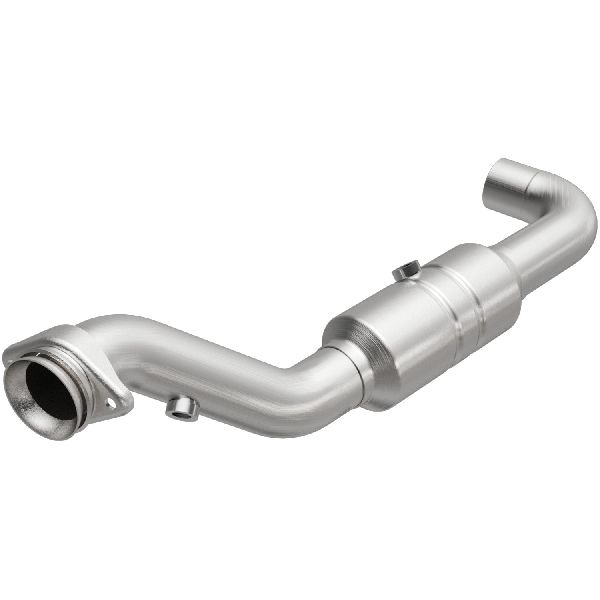
- Premium Aftermarket (e.g., MagnaFlow OEM Grade, CARB-Compliant models): These are the highest quality aftermarket parts. They use a higher load of precious metals to ensure the check engine light stays off and often feature stainless steel construction. Brands like MagnaFlow are well-regarded and design their parts to match original equipment performance.
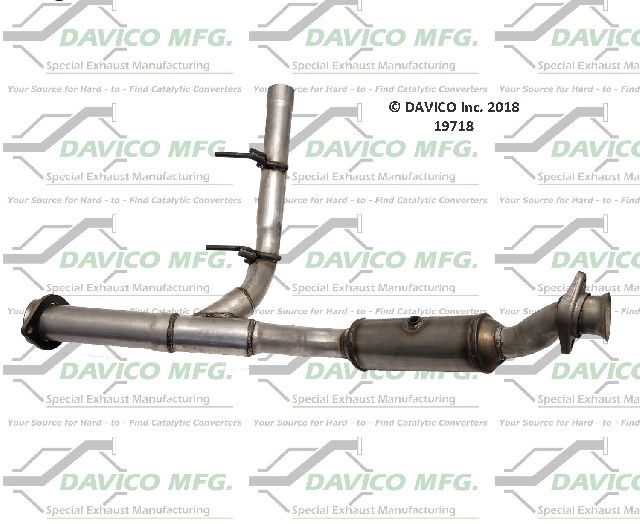
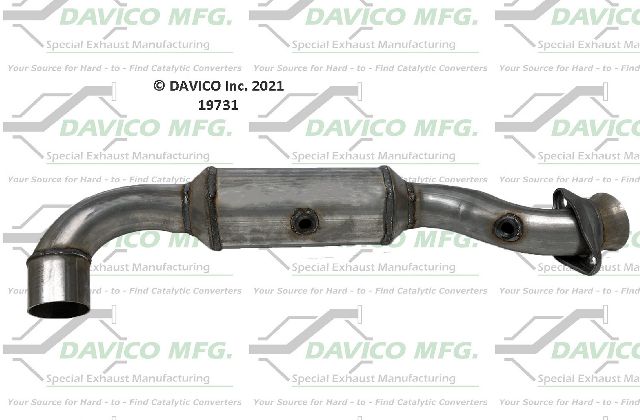
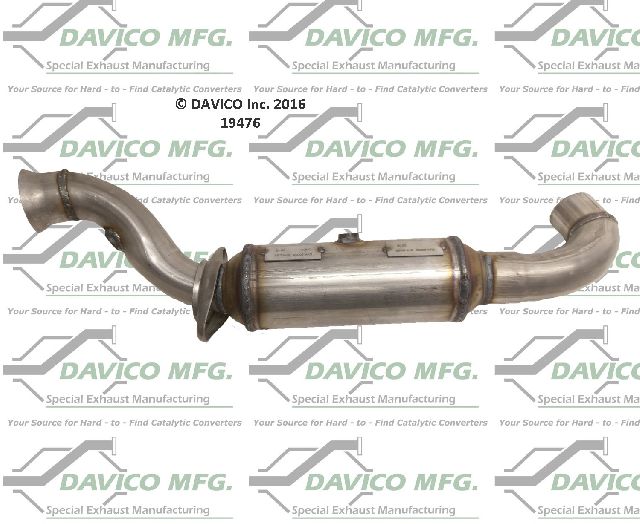
- Standard Direct-Fit (e.g., Davico, MagnaFlow HM Grade, Walker): These are the most popular choice, offering a good balance of price and quality. They are designed to be a direct replacement and meet federal EPA standards. While generally reliable, some users in forums have reported shorter lifespans with certain value-focused brands compared to OEM.
- Value/Universal (e.g., Original Performance, other generic brands): These are the cheapest options but come with trade-offs. They often require welding for installation and may not have the same durability or efficiency as higher-grade units, potentially leading to a recurring check engine light.
Find the Root Cause
Catalytic converters usually don't fail on their own. They are often destroyed by another problem with the engine. Common causes include engine misfires (from bad spark plugs or coils), leaking fuel injectors, or coolant/oil getting into the exhaust. If you don't fix the original problem, you will likely destroy your new converter in a short amount of time.
Cost of Replacing a Ford Expedition Catalytic Converter
Costs can vary significantly based on the parts you choose and who does the work. Your Expedition has at least two main catalytic converters (Bank 1 and Bank 2), and prices are often listed per side.
| Item | Estimated Cost |
|---|---|
| New OEM (Ford) Part | $1,200 - $2,800+ (per side) |
| New Aftermarket Part | $202 - $656+ (per side) |
| Shop Labor | $170 - $315 |
| Total Professional Replacement (Aftermarket) | $372 - $971+ (per side) |
| Total Professional Replacement (OEM) | $1,370 - $3,115+ (per side) |
Frequently Asked Questions
Is my catalytic converter covered under warranty?
Maybe. All vehicles have a federally mandated emissions warranty that covers major components like the catalytic converter for 8 years or 80,000 miles, whichever comes first. If your Expedition is within this window, a failed converter should be replaced by a Ford dealer at no cost.
Why did my replacement aftermarket converter fail so quickly?
This is almost always because the root cause of the original failure was not fixed. An engine that is running rich or misfiring will send unburned fuel into the exhaust, which can overheat and melt the inside of the new converter, ruining it. Always diagnose and fix underlying engine issues before installing a new converter.
Can I replace just one side if only one is bad?
Yes. It is common to only replace the converter that has failed. The diagnostic code will tell you which side is having a problem (P0420 for Bank 1/passenger side, P0430 for Bank 2/driver side). However, if both converters are original and have high mileage, it's possible the other side may fail in the near future.
What is an "Italian Tune-Up" and can it fix my converter?
An "Italian Tune-Up" refers to driving the vehicle hard at high RPMs to get the exhaust system very hot and hopefully burn off carbon deposits. While this can sometimes help with minor carbon buildup, it will not fix a converter that is physically melted, broken inside, or poisoned by contaminants. If your converter's internal structure has failed, it must be replaced.
Technical Specifications
OEM Part Numbers: JL7Z-5E212-R JL7Z-5E212-U JL1Z-5E212-G JL3Z-5E212-L
The 2016-2024 Ford Expedition with the 3.5L EcoBoost V6 engine uses a dual-exhaust system with two primary catalytic converters, one for each cylinder bank (Bank 1 and Bank 2). Aftermarket replacements are available as direct-fit units, which are designed to bolt on without modification. Converters must be chosen based on federal (EPA) or California (CARB) emissions requirements.
We Have This Part in Stock

The information in this article is provided for general reference and educational purposes only. Vehicle specifications, procedures, and part compatibility can vary by production date, trim level, and region. Always consult your vehicle's factory service manual and verify part numbers before purchasing or performing repairs. Safety-critical components such as airbags, seat belts, and braking systems should be installed by a qualified professional.
- Ford Expedition: