

Ford Mustang Mass Air Flow Sensor Guide (2016-2024)
Understand common MAF sensor problems in your S550 Mustang and how to choose the right replacement part.
- A faulty MAF sensor in your Mustang will cause a Check Engine Light, rough idle, poor acceleration, and bad gas mileage.
- Before replacing the sensor, try cleaning it with a dedicated MAF sensor cleaner as a cheap and easy first step.
- For most stock Mustangs, a premium aftermarket brand like Delphi or Hitachi offers OEM quality for less money than Motorcraft.
- Replacement is extremely easy, requiring only a T20 Torx driver and about 15 minutes of your time.
Is Your Mustang's MAF Sensor Failing?
A bad Mass Air Flow (MAF) sensor can cause a range of frustrating problems for your 2016-2024 Mustang. Because the sensor provides bad information to the engine's computer, you might notice several issues that affect how your car drives. Ignoring these signs can lead to worse fuel economy, poor performance, and potentially damage other components like your catalytic converter.
Common Symptoms of a Bad MAF Sensor:
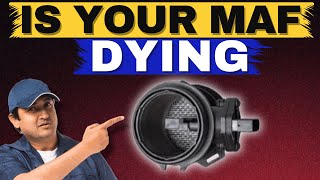
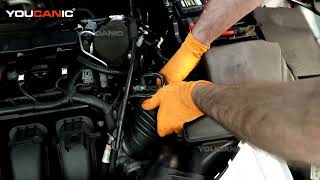
🎬 Watch this video to see common symptoms of a failing sensor.- Check Engine Light: This is often the first sign. A scanner will usually show codes like P0101, P0102, P0103, or P0113. 🎬 See how to replace a Ford sensor and clear these codes.
- Rough Idle: Your engine may idle unevenly, shake, or even stall when you're stopped.
- Hesitation and Jerking: When you accelerate, the car might hesitate, jerk, or feel sluggish because the engine isn't getting the right fuel mixture.
- Poor Fuel Economy: If the sensor tells the computer there's more air than there really is, the engine will use too much fuel, and you'll be visiting the gas station more often.
- Black Smoke from Exhaust: This is a clear sign the engine is running too rich (too much fuel), which can be caused by a faulty MAF sensor.
Pro Tip: Try Cleaning It First
Sometimes, the MAF sensor isn't broken, just dirty. Oil from aftermarket air filters or general grime can coat the delicate sensor wires. Before buying a new one, try cleaning it with a dedicated MAF sensor cleaner spray. This is a cheap and easy first step that can sometimes solve the problem.
OEM vs. Aftermarket MAF Sensors for Your Mustang
When it's time to replace the MAF sensor, you have a choice between OEM (Motorcraft) and various aftermarket brands.
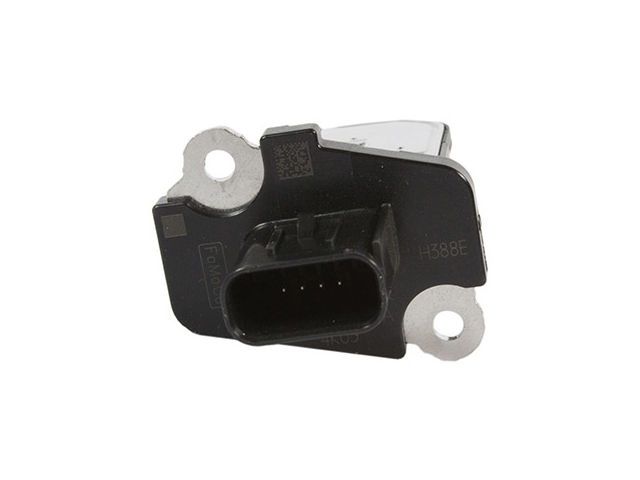
- Motorcraft (OEM): This is the original part your Mustang came with. It guarantees perfect fit and function. For a stock or lightly modified car, you can't go wrong with Motorcraft, but it's usually the most expensive option.
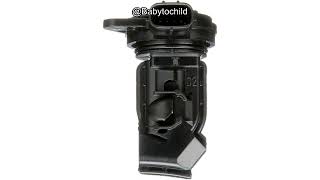
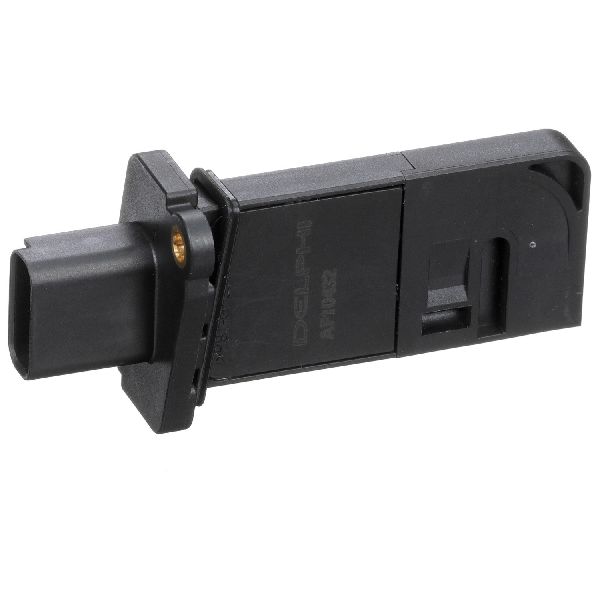
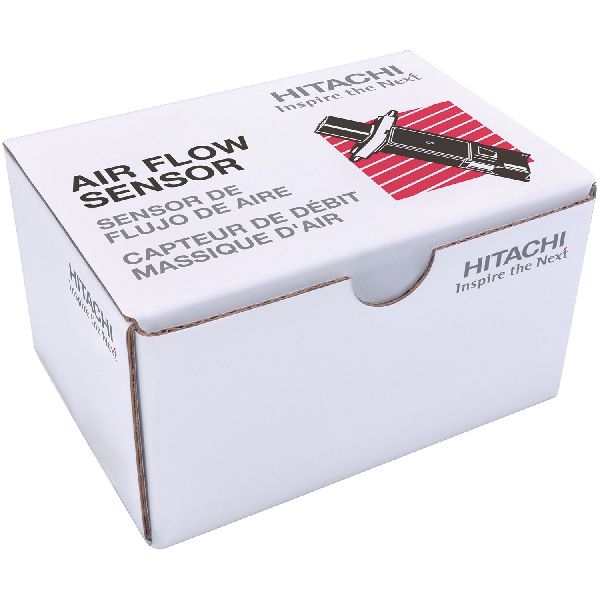
- Premium Aftermarket (e.g., Delphi, Hitachi): Brands like Delphi and Hitachi are often the original equipment manufacturers for many car brands. They produce high-quality sensors that meet or exceed OE standards, often at a lower price than the Motorcraft part. They are a reliable choice for most owners. 🎬 Learn more about the benefits of using Delphi aftermarket sensors.
- Standard Aftermarket (e.g., Spectra, Standard Ignition): These brands offer a more budget-friendly option. While they can be a good value, quality can sometimes be inconsistent compared to premium brands. For a daily driver, they are often sufficient, but careful selection is key.
- Performance Aftermarket (e.g., Granatelli): If your Mustang is heavily modified with a supercharger, turbo, or custom tune, a standard sensor may not be able to handle the increased airflow. Brands like Granatelli offer high-flow MAF sensors calibrated for modified engines. However, these often require a specific tune and are not suitable for a stock vehicle.
A Note on Known Issues
No widespread recalls or Technical Service Bulletins (TSBs) directly target the MAF sensor for the 2016-2024 Ford Mustang. Most issues are related to individual sensor failure from age, dirt, or contamination. Always check for the latest TSBs if you experience persistent, unresolved engine problems.
Cost of Replacing a Mustang MAF Sensor
Here is a general breakdown of what you can expect to pay. Labor costs are low because this is a very easy part to replace yourself.
| Part Type | Estimated Cost |
|---|---|
| New OEM (Motorcraft) | $140 - $270 |
| New Aftermarket | $63 - $174 |
| Shop Labor | $40 - $95 |
Frequently Asked Questions
Is it hard to replace a Mustang MAF sensor?
No, it is a very easy job for a DIYer. The sensor is located on the intake tube and is held in by two T20 Torx screws. The entire job usually takes less than 15 minutes with basic hand tools.
Do I need a special tool to replace the MAF sensor?
You will need a T20 Torx driver or bit to remove the two screws holding the sensor in place. Some aftermarket sensors may come with the required tool.
Do I need to disconnect the battery to change the MAF sensor?
Yes, it is highly recommended. Disconnecting the negative battery terminal before you start prevents any electrical shorts and helps the car's computer reset and recognize the new sensor once it's installed.
My Mustang has a cold air intake. Does that change anything?
The replacement process is the same, but the location and housing of the MAF sensor might look slightly different. Some performance intakes require a specific MAF sensor or a custom tune to work correctly. If you have a performance intake, check with the manufacturer's recommendations.
Helpful Videos
Technical Specifications
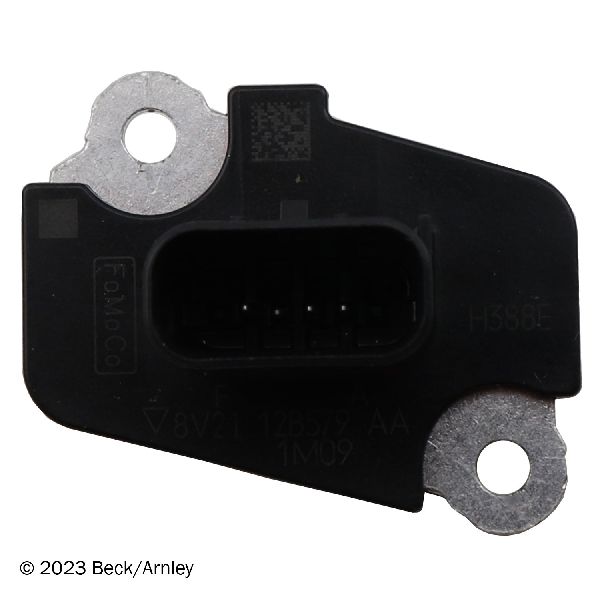
OEM Part Numbers: FR3Z-12B579-A 8V2Z-12B579-A AFLS-195
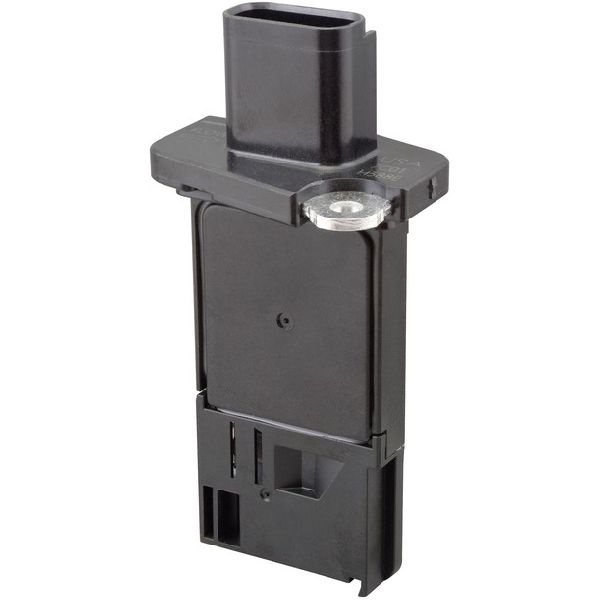
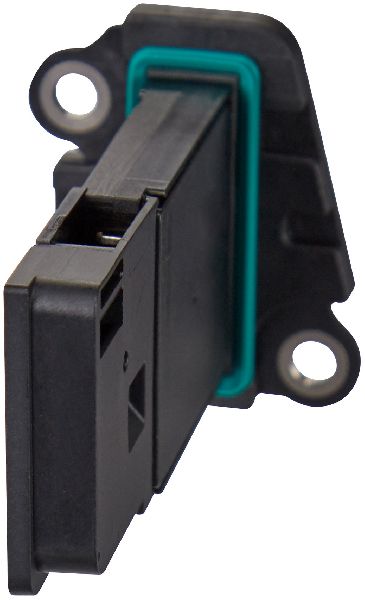
The MAF sensor for the 2016-2024 Mustang is a 'slot-style' sensor that inserts into the air intake tube. It is typically held in by two T20 Torx screws and uses a 4-pin electrical connector.
We Have This Part in Stock

The information in this article is provided for general reference and educational purposes only. Vehicle specifications, procedures, and part compatibility can vary by production date, trim level, and region. Always consult your vehicle's factory service manual and verify part numbers before purchasing or performing repairs. Safety-critical components such as airbags, seat belts, and braking systems should be installed by a qualified professional.
- Ford Mustang: