

Honda CR-V Engine Crankshaft Position Sensor Guide (2016-2024)
Is your CR-V stalling or not starting? It could be a bad crankshaft position sensor.
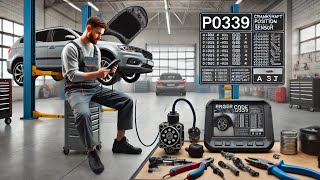
- A failing crankshaft sensor often causes a no-start, stalling, or rough running condition with codes P0335 or P0339.
- For 2016 CR-V models, check TSB 16-011; a wiring harness issue may be the true cause, not just the sensor.
- Hitachi is the OEM supplier; choosing this brand is the safest bet for a reliable, long-lasting aftermarket replacement.
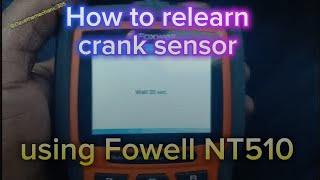
- Replacement is possible for DIYers, but a professional scan tool may be needed for a 'CKP pattern relearn' procedure afterward.
Symptoms of a Failing Crankshaft Sensor in a Honda CR-V

When a crankshaft sensor starts to fail, it can cause a range of frustrating problems. Because the sensor's signal is so important, even a small issue can have a big impact on how your CR-V drives. You might notice one or more of these signs:
- Check Engine Light: This is often the first warning. A scan tool will likely show codes P0335 or P0339.
- Engine Won't Start: The engine may crank but refuse to start because the computer doesn't know when to fire the spark plugs.
- Intermittent Stalling: The engine might suddenly shut off while driving, which can be dangerous. It may restart after cooling down.
- Rough Idle and Misfires: The engine may shake or run unevenly when stopped.
- Poor Acceleration: Your CR-V might feel sluggish or weak when you press the gas pedal.
- Reduced Fuel Economy: Incorrect timing can cause the engine to use more fuel than necessary.
Known Issue for 2016 Honda CR-V Owners
Honda issued Technical Service Bulletin (TSB) 16-011 for some 2016 CR-V models (and 2015 models). It notes that trouble codes P0335 and P0339 can be caused by corrosion in the wiring connector, not just a bad sensor. The official fix involves replacing both the sensor and the entire engine wiring harness. If you have a 2016 CR-V with these codes, simply replacing the sensor might not solve the problem.
Choosing the Right Aftermarket Crankshaft Sensor

For a critical part like this, quality matters. A cheap, low-quality sensor can fail quickly or provide an unstable signal, leading to the same problems you started with. Here’s a breakdown of the available brands, from best to budget.
Tier 1: OEM Supplier
- Hitachi: Hitachi is a known original equipment manufacturer (OEM) for Honda. Choosing a Hitachi sensor is the closest you can get to buying the part directly from a Honda dealer, but at a better price. For reliability and peace of mind, this is the top recommendation.
Tier 2: Reputable Aftermarket
- Delphi, Standard Ignition (SMP), Beck Arnley: These brands have a long-standing reputation for producing quality aftermarket parts. Delphi is an OEM for many car brands, and their sensors are generally well-regarded. Beck Arnley is known for often sourcing parts from the original manufacturers. While generally reliable, forum discussions show that for critical sensors on Honda vehicles, sticking with the OEM supplier (Hitachi) is often the safest bet to avoid compatibility issues.
Tier 3: Value Brands
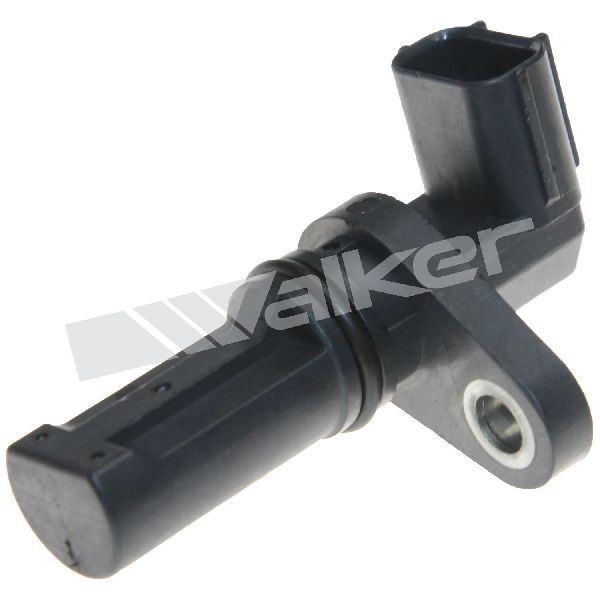
- Spectra, Walker Products, Motorad, Global Parts: These brands offer a more budget-friendly option. While they can get your vehicle back on the road for less money, they may not have the same long-term durability or precise signaling as the higher-tier brands. If your budget is the primary concern, they are a viable option, but be aware of the potential for a shorter service life.
Pro Tip
Many experienced mechanics and Honda owners recommend using the OEM or OEM-supplier part (Hitachi) for crankshaft sensors. This avoids potential issues with incorrect readings or premature failure that can sometimes occur with other aftermarket brands, saving you time and money in the long run.
Cost to Replace a Honda CR-V Crankshaft Sensor (2016-2024)
The cost can vary depending on who does the work. The part itself is relatively inexpensive, but labor can add up if the sensor is hard to reach.
| Item | Estimated Cost |
|---|---|
| New Aftermarket Sensor | $29 - $107 |
| New OEM Sensor (Honda-branded) | $94 - $182 |
| Shop Labor | $82 - $140 |
| Total (Professional Installation) | $177 - $303 |
Frequently Asked Questions (FAQ)

Is there a recall for the crankshaft sensor on the 2016-2024 CR-V?
No, there are no active recalls specifically for the crankshaft position sensor on these model years. However, there is a Technical Service Bulletin (TSB 16-011) for some 2016 models that addresses issues with the sensor's wiring.
Can I replace the CR-V crankshaft sensor myself?
Yes, this is a DIY-feasible job for many home mechanics. The sensor is usually held by a single bolt and is accessible from under the vehicle. However, be aware that after replacement, the vehicle's computer may need to perform a "CKP pattern learn" procedure, which sometimes requires a professional scan tool to complete properly.
🎬 Watch how to perform a CKP relearn using a scan tool.Where is the crankshaft sensor located on a 2016-2024 CR-V?
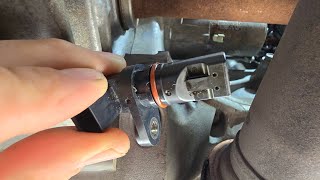
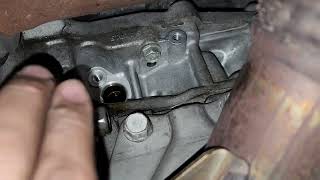
It is located on the lower part of the engine block, near the transmission bell housing or the main crankshaft pulley. You will need to get under the vehicle and likely remove a plastic splash shield to see it. 🎬 Watch this video to see the exact sensor location. On some models, a small heat shield also needs to be removed.
What's the difference between the 2.4L and 1.5T engine sensors?
The 2016 CR-V uses a 2.4L engine, while most 2017-2024 models use a 1.5L Turbo engine. The crankshaft position sensors for these engines are different parts and are not interchangeable. 🎬 See this walkthrough for replacing the sensor on 1.5T engines. Always verify the part fits your specific year and engine before purchasing.
Helpful Videos

Technical Specifications
OEM Part Numbers: 37500-R60-U01 32110-5LA-405
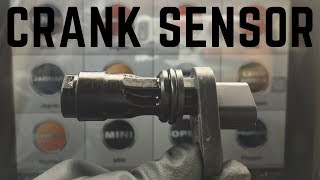
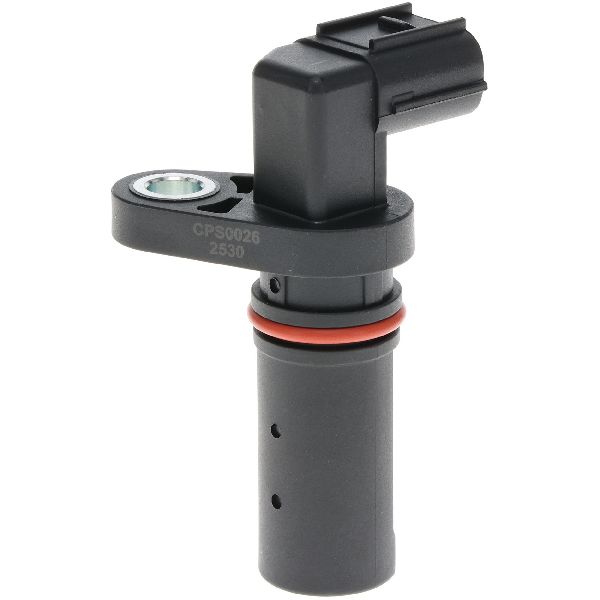
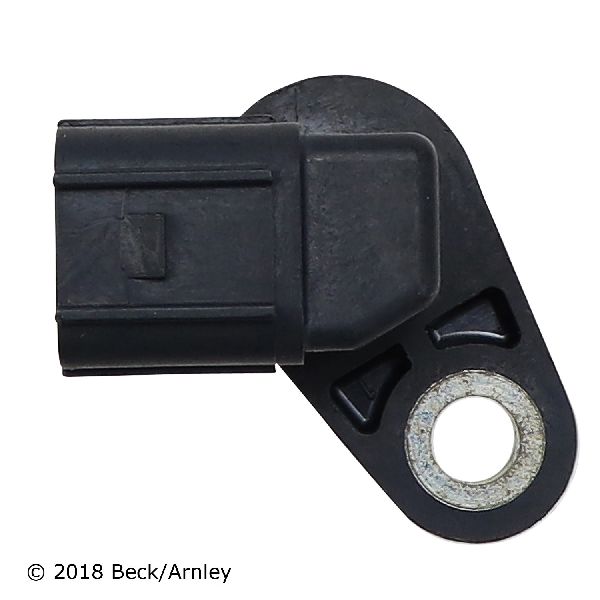
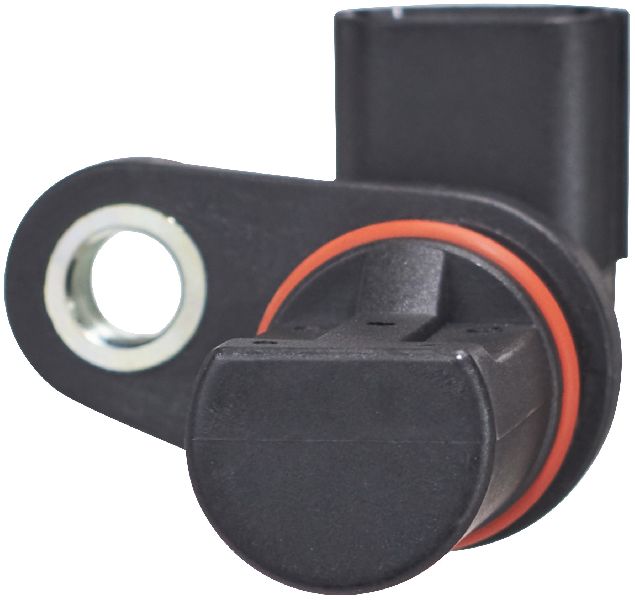
The crankshaft position sensor for the 2016-2024 Honda CR-V is a magnetic or hall-effect sensor that reads the position of the crankshaft. It is secured by a single 10mm bolt and sealed with a rubber O-ring. Part numbers differ between the 2.4L engine (2016) and the 1.5L Turbo engine (2017-2024).
We Have This Part in Stock


The information in this article is provided for general reference and educational purposes only. Vehicle specifications, procedures, and part compatibility can vary by production date, trim level, and region. Always consult your vehicle's factory service manual and verify part numbers before purchasing or performing repairs. Safety-critical components such as airbags, seat belts, and braking systems should be installed by a qualified professional.
- Honda CR-V:
- 🎬 Helpful Videos
- 🛍️ Shop This Part
- Symptoms of a Failing Crankshaft Sensor in a Honda CR-V
- Known Issue for 2016 Honda CR-V Owners
- Choosing the Right Aftermarket Crankshaft Sensor
- Tier 1: OEM Supplier
- Tier 2: Reputable Aftermarket
- Tier 3: Value Brands
- Pro Tip
- Cost to Replace a Honda CR-V Crankshaft Sensor (2016-2024)
- Frequently Asked Questions (FAQ)
- 🎟️ Get 5% Off